Southeast Asia is carving out a distinct niche in the global river cruise market, moving beyond the shadow of Europe's well-trodden waterways. The Mekong River, winding through Vietnam, Cambodia, and Laos, is becoming the centerpiece of a luxury, expedition-style cruising experience that appeals to seasoned travelers seeking cultural depth and exclusivity.
While the Rhine and Danube still dominate in passenger numbers, cruise lines are increasingly looking east to capture repeat cruisers who crave immersive, high-yield itineraries. The Mekong's 4,025-kilometer stretch across six countries offers seamless access to remote heritage sites, wildlife reserves, and rural communities, eliminating the logistical friction of overland travel and constant repacking.
Fleet expansions and new builds
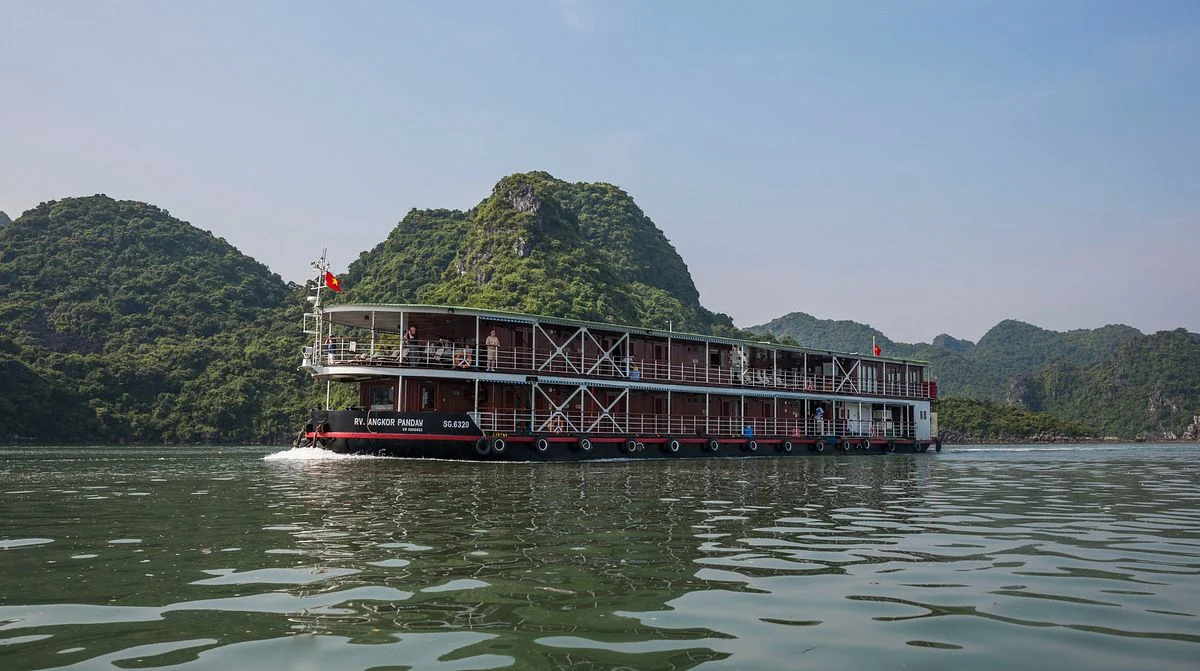
Regional pioneer Pandaw continues to expand its fleet of shallow-draft vessels, while Scenic Group has confirmed the launch of two ultra-luxury ships, Scenic Spirit II and Scenic Spirit III, on the Mekong in 2028. These investments align with data from the Cruise Lines International Association (CLIA), which notes that river lines are actively diversifying beyond European waters to meet shifting consumer demand.
The broader Southeast Asian cruise sector is also on an upward trajectory. In 2024, the region welcomed 3.9 million passenger visits, generating US$10 billion in economic output. Industry leaders at Seatrade Cruise Asia projected that cruising could become a mainstream, year-round holiday choice by 2030, underpinned by robust aviation links and major gateways like Singapore.
Navigating structural challenges
However, converting Southeast Asia into a true global hub requires overcoming significant structural headwinds. Unlike Europe's canalized rivers, Southeast Asian waterways are subject to dramatic monsoon-driven fluctuations. Extreme high-water and low-water seasons routinely force operators to modify itineraries, deploy overland coach transfers, or suspend sailings during off-peak months.
Regulatory and infrastructural fragmentation adds another layer of complexity. As executives at Royal Caribbean International have noted, Asia does not operate as a single uniform market. Docking infrastructure, port readiness, environmental compliance, and cross-border visa protocols vary considerably across jurisdictions, complicating seamless regional deployment.
Long-term success also hinges on safeguarding the region's ecological and cultural integrity. Much of Southeast Asia's appeal lies in its unspoilt riverbanks and authentic local communities, which are vulnerable to overdevelopment and environmental degradation.
For travel professionals, the Mekong's rise presents both opportunities and considerations. As luxury demand grows across Asia-Pacific, river cruising offers a compelling product for high-end clients. Yet, operators must be prepared to manage itinerary flexibility and communicate potential disruptions transparently.
The region's broader tourism infrastructure is also evolving. MICE strategies emerging from the ASEAN Summit highlight the importance of connectivity and premium experiences, which could complement river cruise offerings. Meanwhile, luxury hotels are unifying tech stacks to cater to affluent travelers planning multi-stop trips, a trend that aligns with the expedition-style nature of Mekong cruises.
As the industry watches Southeast Asia's river cruise sector mature, the focus remains on balancing growth with sustainability. The region's unique geography and cultural richness offer a distinct value proposition, but success will depend on addressing infrastructure gaps and preserving the very attributes that make it attractive.