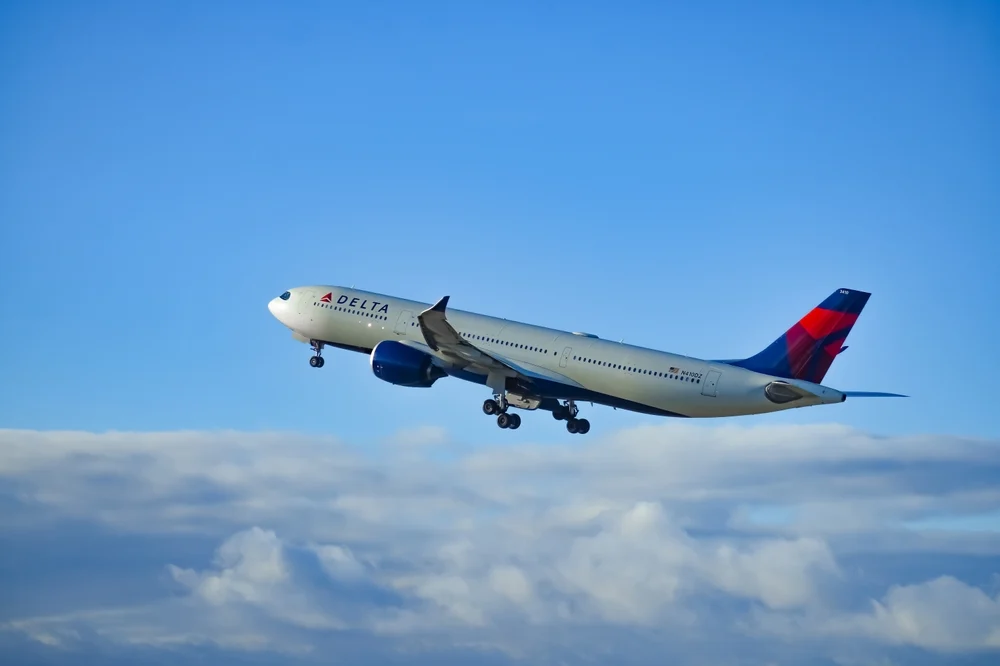
Delta Air Lines is moving forward with a large-scale retrofit program that will see Vortex Control Technologies (VCT) finlets installed on 240 of its Boeing 737-800 and 737-900ER aircraft. The initiative, announced on 17 June 2026, follows an extensive evaluation process that included flight test validation, operational trend analysis, and engineering reviews using computational fluid dynamics.
Finlets are aerodynamic devices attached to the aft fuselage that reshape airflow, reduce drag, and improve fuel efficiency. For an operator the size of Delta, which counts the 737-800 and 737-900ER as core narrowbody types, the cumulative fuel savings are expected to be substantial. The airline has not disclosed specific percentage gains, but similar modifications typically yield fuel burn reductions of 1–3% per aircraft.
Partnership and Sustainability Goals
Gil Morgan, CEO of Vortex Control Technologies, called the deal a significant milestone for the company. “Equipping these Boeing 737-800 and 737-900ER fleets with Finlets represents a significant milestone for VCT,” he said. The partnership reflects a broader trend among US carriers to pursue incremental aerodynamic improvements as part of fleet renewal and sustainability strategies.
Amelia DeLuca, Delta’s Chief Sustainability Officer, emphasised the importance of the collaboration. “We appreciate the strong partnership with VCT throughout the evaluation process and are looking forward to this implementation to further support our ongoing fleet efficiency initiatives,” she stated. With roughly 90% of Delta’s carbon emissions tied to jet fuel consumption, every percentage point of efficiency gain directly reduces the airline’s environmental footprint.
Delta has been active in fleet modernisation across its network. Earlier this year, the carrier restored daily nonstop service between Hong Kong and Los Angeles using the A350-900, a move that also supports fuel efficiency per seat on long-haul routes.
Operational and Competitive Context
The finlet retrofit program covers a significant portion of Delta’s domestic and short-haul international fleet. The 737-800 and 737-900ER are workhorses on routes across the United States, Canada, Mexico, and the Caribbean. By reducing drag, the finlets also lower engine wear and maintenance costs over time, offering operational benefits beyond fuel savings.
Other carriers have pursued similar aerodynamic upgrades. United Airlines, for example, has installed split scimitar winglets on its 737 fleet, while American Airlines has used wingtip fences and other drag-reduction technologies. Delta’s choice of VCT finlets differentiates its approach by targeting the aft fuselage rather than the wingtips.
The retrofit is expected to be phased in over the coming years, with installation likely to occur during scheduled heavy maintenance checks to minimise aircraft downtime. Delta’s technical teams will work with VCT to ensure consistent performance across the fleet.
For travel industry professionals, the development underscores how airlines are balancing near-term cost pressures with long-term sustainability commitments. While new-generation aircraft like the Airbus A321XLR and Boeing 737 MAX offer step-change efficiency gains, retrofitting existing fleets remains a cost-effective way to reduce emissions and fuel spend in the medium term.
Delta’s move also aligns with broader industry efforts to meet net-zero targets. The International Air Transport Association (IATA) has called for a combination of fleet renewal, operational improvements, sustainable aviation fuels (SAF), and carbon offsets. Aerodynamic modifications like finlets fall squarely into the operational improvements bucket, offering measurable results without requiring new aircraft deliveries.
As the travel industry continues to face scrutiny over its environmental impact, Delta’s finlet program provides a concrete example of how established technology can be deployed at scale. The airline’s partnership with VCT may also open the door for similar retrofits on other aircraft types in its fleet, including the Airbus A320 family.