Dubai's luxury real estate sector is facing a new imperative: integrate wellness into the very fabric of home design. The Global Wellness Institute (GWI) is urging developers to treat health-supportive architecture as a baseline expectation, not a premium feature, as global demand for healthier living environments accelerates.
In its latest report, the GWI stresses that creating homes and communities that genuinely support long-term health requires a multidisciplinary approach. Planners, architects, public health experts, and wellness professionals must collaborate from the earliest stages of design, rather than bolting on wellness elements after the fact.
Dubai-based luxury developer Keturah is aligning with this vision. The company sees the shift toward health-focused design as a chance to elevate industry standards and cement Dubai's status as a global leader in wellness real estate. Talal M. Al Gaddah, CEO and Founder of Keturah, put it bluntly: “The next phase for the industry is collaboration rather than competition. We need planners, architects, public health leaders, and wellness professionals working together, not developers acting alone.”
The GWI projects that the global wellness real estate sector will surpass $1 trillion by 2029, transforming wellness from an aspirational luxury into evidence-based infrastructure. The UAE is already one of the fastest-growing markets in this space, with its wellness real estate value leaping from $3.3 billion in 2017 to $14.6 billion in 2025.
Key trends shaping wellness real estate
The GWI report identifies several design trends gaining traction in high-end developments. Primal architecture—which emphasizes natural materials, light, and connection to the outdoors—is being paired with neuroarchitecture, a discipline that uses neuroscience to design spaces that reduce stress and enhance cognitive function. Reducing microplastics through the use of natural, non-toxic materials is also a growing priority.
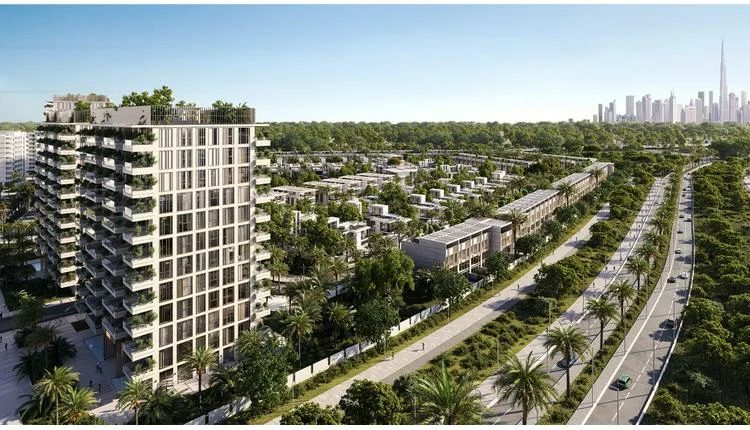
Walkable communities are another cornerstone. The GWI highlights that pedestrian-friendly neighborhoods support mobility and overall wellbeing across all life stages, a factor that is increasingly influencing buyer decisions in Dubai's competitive luxury market.
For travel professionals, this trend has direct implications. Luxury hospitality and residential projects are converging, as seen in the rise of branded residences and wellness-focused developments. The push for wellness in Dubai's residential sector mirrors broader shifts in luxury travel demand, where affluent travelers now expect health and wellbeing to be embedded in their experiences.
Keturah's stance reflects a wider industry movement. As developers in Dubai and beyond respond to this demand, the line between residential and hospitality continues to blur. Wellness amenities—from spa-grade air filtration to circadian lighting—are becoming selling points that rival traditional luxury finishes.
The GWI's call is not just about individual homes. It is about creating entire communities that foster health, a concept that resonates with destination developers and hoteliers alike. For example, ski-country residences in Lebanon are already integrating wellness into their design, and Asian hotel groups are expanding luxury portfolios with wellness at the core.
As the wellness real estate market grows, developers who ignore this shift risk falling behind. The GWI's message is clear: health-supportive design is no longer optional. For Dubai, a city known for pushing boundaries, the opportunity is to lead the world in creating homes that nurture their occupants—and to set a new standard for luxury living.