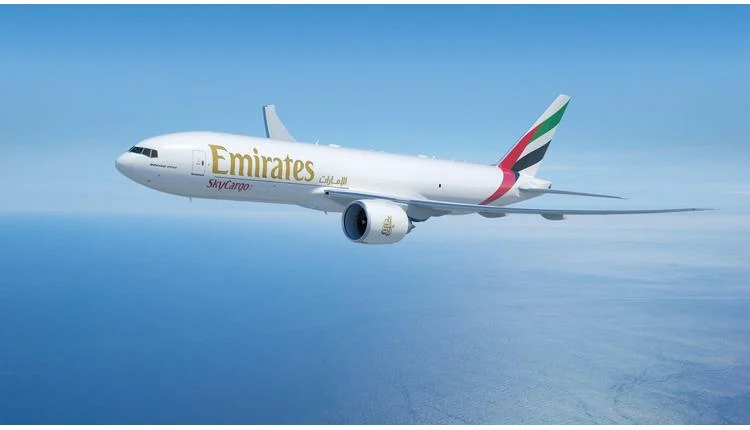
Emirates SkyCargo is expanding its freighter network into Central Asia with a dedicated weekly service to Almaty International Airport (ALA), commencing June 16, 2026. The move marks the cargo division's first scheduled freighter operation in the region, using a Boeing 777F aircraft to provide more than 100 tonnes of weekly lift capacity.
Almaty, Kazakhstan's largest city and primary commercial center, serves as a key logistics gateway for Central Asia. The Tuesday service will connect the city with Emirates SkyCargo's Dubai hub, facilitating the movement of electronics, perishables, and machinery between Almaty and global markets. The route also strengthens Dubai's position as a transshipment point under the D33 Dubai Economic Agenda, which targets expanding foreign trade and reinforcing the emirate's logistics infrastructure.
Strategic expansion amid fleet growth
Badr Abbas, Divisional Senior Vice President of Emirates SkyCargo, said: "Emirates SkyCargo's weekly freighter service to Almaty is in line with our role as a global trade facilitator and is an important step in expanding our network and connectivity to Central Asia, a region that is experiencing dynamic growth."
The Almaty launch comes as Emirates SkyCargo accelerates its freighter fleet expansion. Since March 2026, the carrier has taken delivery of four new Boeing 777 freighters, with six more expected by year-end, bringing the total dedicated freighter fleet to 21 aircraft by December 2026. This growth supports increased demand for air cargo capacity across Asia, Europe, and the Middle East.
The new service offers businesses in Kazakhstan and neighboring markets direct access to Emirates SkyCargo's global network, which spans over 140 destinations. For international shippers, the route provides a reliable link to a strategically located marketplace that is increasingly important for cross-border trade. The airline's cargo division has also been investing in digital booking platforms and cold-chain logistics to handle perishables and pharmaceuticals, sectors that are expected to benefit from the Almaty connection.
Emirates SkyCargo's entry into Central Asia follows broader trends in the region, where air freight demand is rising due to e-commerce growth and infrastructure development. The carrier's decision to deploy a dedicated freighter rather than rely on bellyhold capacity from passenger flights reflects its commitment to building a sustainable cargo network in the area.
Industry observers note that the Almaty service could pave the way for additional frequencies or new destinations in Central Asia, particularly as trade flows between China, Europe, and the Middle East continue to evolve. Emirates SkyCargo already operates freighter services to several points in Asia and Africa, and the Almaty addition fills a notable gap in its network.
For travel and logistics professionals, the new route underscores the importance of Central Asia as an emerging market for air cargo. The region's growing middle class and increasing industrial output are driving demand for both imports and exports, making it an attractive target for carriers like Emirates SkyCargo. The service also complements passenger operations by Emirates, which already serves Almaty with daily flights, allowing for combined cargo options.
As the global air freight market becomes more competitive, Emirates SkyCargo's focus on fleet modernization and network expansion positions it to capture a larger share of trade flows. The Almaty service is a clear signal that the carrier sees Central Asia as a long-term growth opportunity, not just a seasonal add-on.