Eurail, the operator behind Europe's iconic rail passes, has officially rebranded as Interrail, consolidating its European and international offerings under a single identity. The change, announced this week, marks a strategic shift for the 60-year-old company as it seeks to appeal to a broader, more globally minded audience of rail travellers.
The rebrand aligns with the launch of Interrail's new global brand platform, The Interrail Effect, which positions rail travel as a gateway to deeper cultural immersion. The platform encourages travellers to move beyond sightseeing and engage with local communities, cuisine, and customs across the continent.
A unified identity for a changing market
Ozlem Birkalan, Interrail's chief brand and commercial officer, framed the rebrand as more than a cosmetic change. "Interrail represents a renewed vision for European travel that reflects how people increasingly want to explore today—more thoughtfully, more flexibly, and with greater curiosity," he said. The executive's comments underscore a broader industry trend toward purpose-driven travel, where flexibility and authenticity rank high on traveller priorities.
The move brings together Eurail's long-standing pass system—popular among non-European visitors—and Interrail's product, which has historically targeted European residents. By unifying these under one brand, the company aims to simplify its marketing and product architecture, making it easier for travel agents and tour operators to sell a single, recognisable pass to clients worldwide.
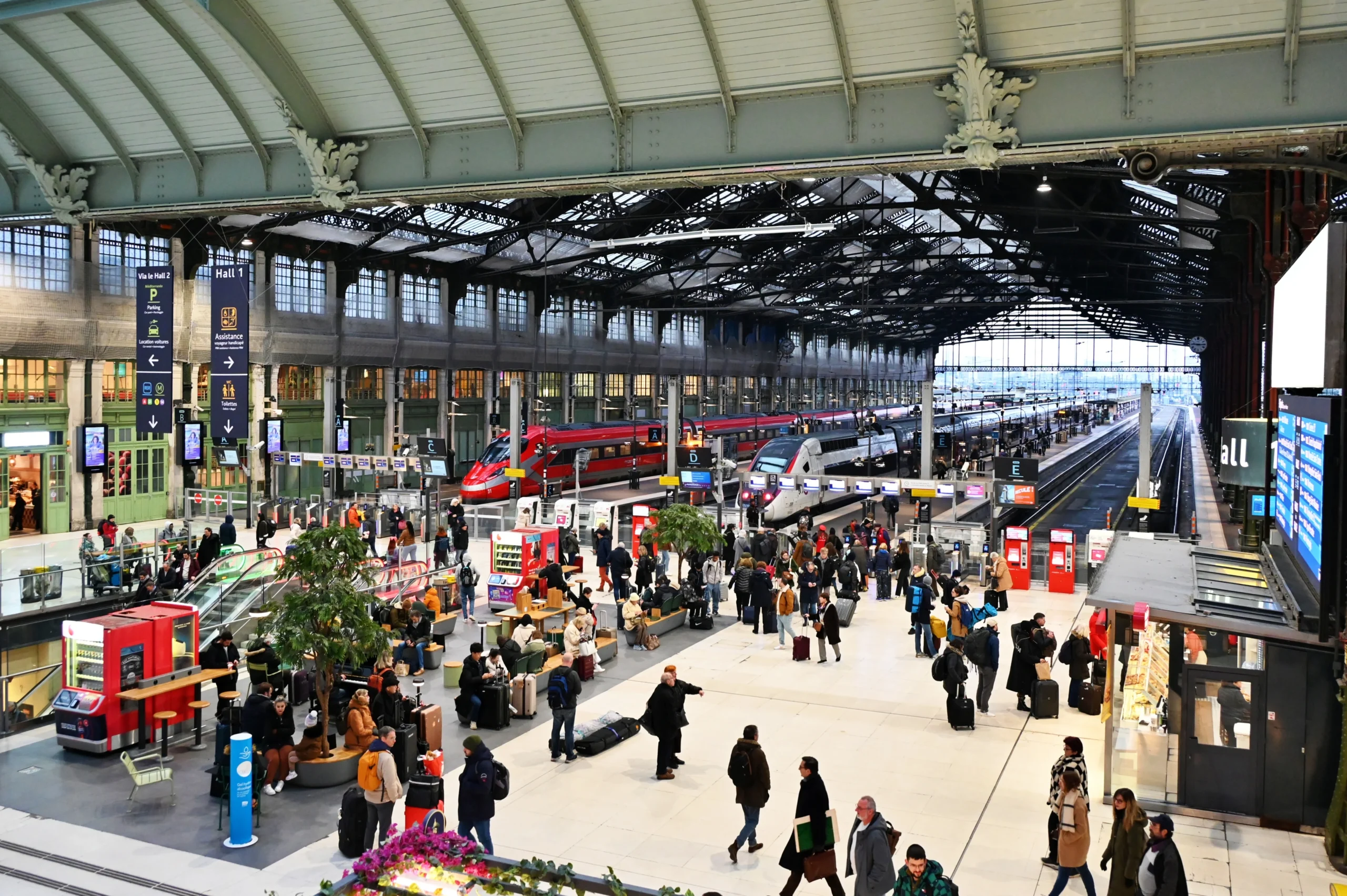
For travel professionals, the rebrand signals a renewed push to capture demand from both long-haul and intra-European markets. Rail travel has seen a resurgence in recent years, driven by sustainability concerns and the expansion of high-speed networks. Interrail's unified identity could strengthen its position against airlines on key corridors such as Paris–Berlin, Milan–Zurich, and Amsterdam–Vienna, where rail already competes effectively on time and carbon footprint.
The company's strategy also reflects a broader industry pattern of brand consolidation. Similar moves have occurred across the travel sector, from hotel groups unifying soft brands to destination marketing organisations refreshing their identities. For example, Elegant Hotels of the World recently rebranded to sharpen its luxury positioning, and Samoa's Teuila Festival is set to become the Measina Festival in 2026. These moves highlight how brand clarity is becoming a competitive necessity in a crowded travel marketplace.
Interrail's rebrand also comes at a time when digital identity and personalisation are reshaping travel distribution. The company's new platform is designed to resonate with younger, tech-savvy travellers who value seamless booking and tailored recommendations. This aligns with broader industry discussions, such as those at the recent Phocuswright Conference, where AI and digital identity were identified as key drivers of transformation in European travel.
For travel agents and tour operators, the unified brand simplifies product education and sales. Instead of explaining the difference between Eurail and Interrail passes, they can now present a single product line with consistent messaging. The company has indicated that existing pass holders will see no disruption, and that the rebrand will be phased across digital platforms, partner portals, and physical point-of-sale materials.
Interrail's leadership is betting that the new identity will foster a sense of connection and curiosity among travellers, encouraging repeat visits and longer itineraries. The company's research suggests that rail travellers spend more time in local communities and are more likely to venture beyond major capitals—a trend that benefits smaller destinations and regional economies.
The rebrand is also a nod to the growing importance of rail in Europe's sustainable mobility agenda. With the European Union pushing for increased rail usage as part of its Green Deal, Interrail's unified brand could help position rail as the default choice for environmentally conscious travellers. The company's pass system already offers flexibility across 33 countries, and the new branding aims to make that value proposition clearer than ever.
As the travel industry continues to recover and evolve, Interrail's rebrand serves as a reminder that even established products must adapt to shifting consumer expectations. For travel professionals, the key takeaway is that brand clarity and cultural relevance are essential tools for capturing the modern traveller's attention—and their loyalty.