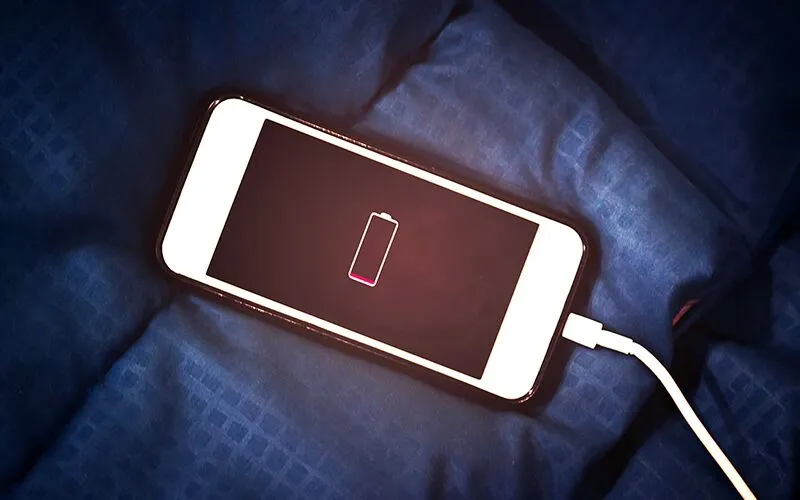
As the autumn travel season picks up, with many UK holidaymakers booking last-minute getaways, the perennial problem of smartphone battery drain is back in focus. For travel professionals, from airline customer service teams to hotel front desks, the issue is familiar: passengers and guests arriving with dead devices, unable to access boarding passes, hotel reservations, or digital keys.
Amrit Chatha, a mobile expert at Mobiles.co.uk, part of Currys, has identified five common mistakes that travellers make which lead to unnecessary battery depletion. His advice is aimed at helping travellers keep their devices powered throughout their journeys, but it also offers useful insights for industry stakeholders looking to improve the passenger experience.
Download before you fly
One of the biggest drains on battery life is streaming video or music while on the move. Chatha advises downloading entertainment before leaving home, rather than relying on streaming services. "Downloading ensures you won't be interrupted by poor connections," he explains. This is particularly relevant for long-haul flights, where inflight Wi-Fi can be patchy or expensive, and for travellers using mobile data in unfamiliar destinations.
For airlines and airports, this trend underscores the importance of robust inflight entertainment systems and pre-departure connectivity. Many carriers, including Emirates and Singapore Airlines, already offer apps that allow passengers to download content before boarding, a feature that is becoming a standard expectation among tech-savvy travellers.
Use aeroplane mode strategically
Another key tip is to use aeroplane mode not just during flights, but whenever an active connection is not needed. "Enabling aeroplane mode when you don't need an active connection can significantly reduce battery consumption," says Chatha. This is especially useful during long layovers or when waiting in airport lounges, where network signals can be weak and cause the phone to work harder to maintain a connection.
Travel managers and corporate travel policies could encourage employees to adopt this habit, reducing the risk of being unreachable during critical travel moments. For cruise lines, where connectivity at sea is often limited, advising passengers to switch to aeroplane mode can also help manage bandwidth and battery life.
Turn off Bluetooth and background refresh
Bluetooth is another silent battery drain. Chatha recommends turning it off when not in use, as it continuously searches for nearby devices. Similarly, disabling background app refresh can prevent apps from consuming power when they are not actively being used. These settings are often overlooked, but they can make a significant difference over a long travel day.
For hoteliers, offering guests clear instructions on how to optimise their phone settings could enhance the guest experience, particularly for those using mobile check-in or digital room keys. Some luxury hotels, such as those in the Marriott Bonvoy portfolio, already provide charging stations and device support, but proactive advice is a value-add that can set a property apart.
Carry a power bank
Finally, Chatha advises travellers to carry a fully charged power bank. "Bringing your own power bank allows you to top up your battery wherever you're sitting," he notes. This is a practical solution to the often busy airport charging stations, which can be scarce during peak travel times.
The advice comes amid growing scrutiny of power banks and lithium batteries in aviation. Recent incidents of lithium battery fires on flights have prompted airlines to tighten rules on power bank usage. For example, some carriers now require power banks to be carried in cabin baggage and prohibit their use during flight. Travellers should check airline policies before packing, as non-compliance can lead to delays or confiscation.
Chatha warns that "running out of battery at the airport can create unnecessary stress." Preparing your device before travel can ensure your phone remains powered throughout your journey. This is particularly important for travellers relying on mobile boarding passes, which are now standard across most airlines, including British Airways and easyJet.
For travel industry professionals, these tips are a reminder of the growing reliance on mobile technology in every aspect of the journey. From booking to boarding, and from hotel check-in to destination navigation, the smartphone is an essential travel tool. Ensuring that travellers are equipped to keep their devices charged is not just a convenience—it is a component of a seamless travel experience.
As the industry looks ahead to a busy winter season, with routes like Finnair's Delhi-Helsinki service opening up new travel opportunities, the message is clear: a little preparation goes a long way. Whether you are a frequent flyer or an occasional holidaymaker, these five simple steps can help you stay connected and stress-free.