The global travel industry is witnessing a notable shift as affluent travelers increasingly embrace a hybrid approach to spending, blending cost-conscious basics with targeted luxury. Dubbed "fluxury"—a portmanteau of flexibility and luxury—this trend is reshaping how high-net-worth individuals and younger professionals plan their itineraries, particularly as geopolitical tensions and rising fuel costs disrupt traditional travel patterns.
Coined by Tara Cappell, founder and CEO of FTLO Travel, a New York-based agency specializing in trips for travelers aged 25 to 39, fluxury represents a strategic reallocation of vacation budgets. Rather than opting for all-out luxury or strict penny-pinching, travelers save on essentials like accommodation to fund standout experiences. "We might stay at a more budget three-star hotel in a small town, but that saves the budget for doing an incredible cooking class in the middle of a vineyard with a nice bottle of wine," Cappell explained.
Industry Implications: Revenue Distribution and Overtourism Mitigation
For travel professionals, fluxury signals a potential rebalancing of revenue streams. Boutique properties, airlines such as Emirates or Singapore Airlines, and high-end restaurants capture premium spending on splurge days, while regional guesthouses and local transit benefit from budget-conscious phases of the trip. This dual-spending model could help destinations like Kyoto or Barcelona, where overtourism has strained infrastructure. By encouraging travelers to linger at a single property or engage deeply with a local experience—such as a private cooking class in Tuscany or a guided heritage walk in Luang Prabang—fluxury naturally disperses crowds.
This aligns with broader industry efforts to combat overtourism. For instance, BWH Hotels recently launched six detour destinations to steer visitors away from overcrowded hotspots. Similarly, Japan's secondary cities like Nagoya, Kanazawa, and Fukuoka are gaining traction as alternatives to Tokyo and Kyoto. Fluxury travelers are natural candidates for such alternatives, as they prioritize meaningful immersion over checklist tourism.
Elevating Guest Expectations
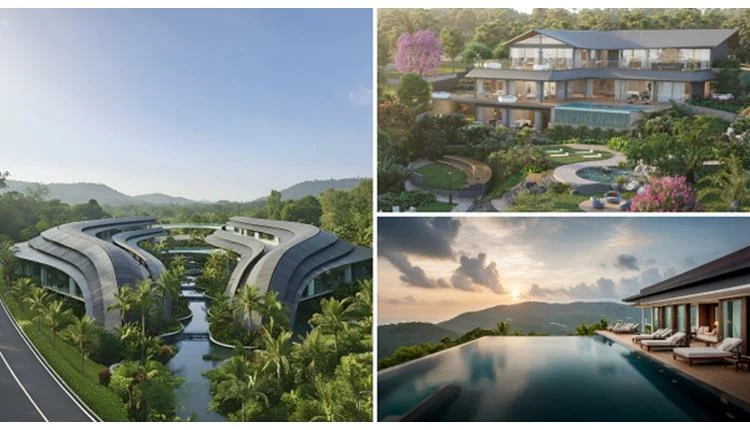
The trend is also pushing high-end brands to rethink their offerings. Instead of flashy, all-inclusive resorts, luxury operators like Aman, Six Senses, and Belmond are emphasizing hyper-personalized, purpose-driven experiences. A fluxury traveler might book a budget flight on a low-cost carrier like Ryanair or AirAsia to afford a private villa at the Renaissance Phuket Resort & Spa, which recently launched an all-inclusive package with a cultural immersion focus. This shift rewards properties that deliver authentic, localized encounters over generic luxury.
For travel agents and tour operators, fluxury presents an opportunity to design modular itineraries that mix economy and premium components. GDS systems like Amadeus and Sabre may need to adapt their booking tools to accommodate such hybrid trip structures. Meanwhile, cruise lines such as Viking or Ponant could offer shorter, port-intensive segments paired with budget overland stays, appealing to fluxury-minded clients.
As Cappell noted, fluxury is about "smart splurging"—foregoing certain expenses to afford a private day trip or an exquisite spa treatment. This mindset is likely to persist if global economic uncertainties continue, making it a durable trend rather than a passing fad. For the travel industry, the key takeaway is clear: travelers are increasingly valuing depth over breadth, and those who adapt their offerings to this ethos will capture a growing share of premium spending.