Japan's tourism boom shows no signs of slowing, with 42.7 million arrivals recorded in 2025. But for travel professionals booking clients—whether first-timers or repeat visitors—the so-called Golden Route of Tokyo, Kyoto, and Osaka is increasingly strained. A recent survey found that nearly 60% of residents in these hubs feel overcrowding negatively affects daily life. For airlines, hoteliers, and tour operators seeking to diversify itineraries and ease pressure on hotspots, three secondary cities offer compelling alternatives.
Global travel booking platform Omio has analyzed rail connections and local attractions to recommend Nagoya, Kanazawa, and Fukuoka as substitutes or complements to the classic trio. Each city delivers distinct cultural and culinary experiences while avoiding the worst of the crowds. The data also reveals that purchasing individual train tickets for this route is significantly cheaper than a JR Pass—£249.22 versus £442.64—a detail worth passing on to cost-conscious clients.
Nagoya: A Futuristic Hub with Culinary Depth
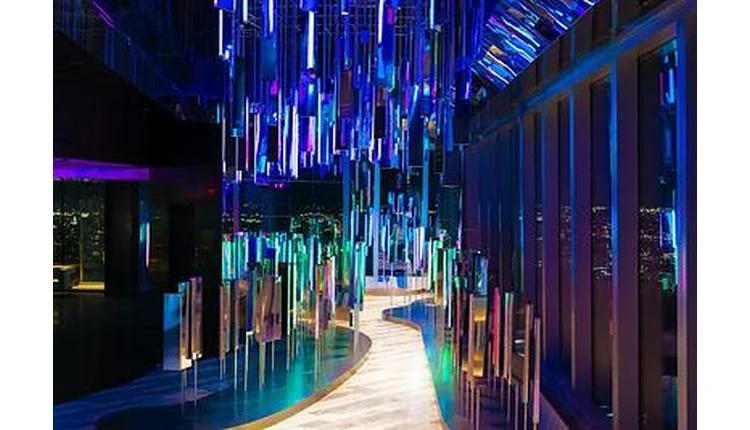
Nagoya, reachable from Tokyo in 1 hour 33 minutes via shinkansen, offers a scaled-down version of the capital's energy. Its Oasis 21 complex, with a floating glass roof illuminated at night, draws shoppers and photographers. Key attractions include Nagoya Castle and Atsuta Shrine, one of Japan's most sacred Shinto sites. The city's food scene is a major draw: hitsumabushi (grilled eel) and miso katsu (pork cutlet with Hatcho miso) are local signatures. Agents can recommend the TableLog app for restaurant discovery. For clients flying into Tokyo, this is an easy add-on that avoids the Kyoto crush.
Kanazawa: 'Little Kyoto' with Gold Leaf and Gardens
Often called 'Little Kyoto,' Kanazawa preserves traditional arts like gold leaf production and tea ceremonies. The Kenroku-en Garden, one of Japan's top three landscape gardens, is a highlight, along with the Higashi Chaya District and the samurai quarter. Omicho Market offers fresh seafood. Travel times are convenient: 2 hours 30 minutes from Tokyo, 1 hour 40 minutes from Kyoto, and just over 2 hours from Osaka. The cheapest rail access is from Kyoto, with fares starting at £30.15. For clients who have already experienced Kyoto, Kanazawa provides a quieter, equally authentic alternative.
Fukuoka: Osaka's Friendlier, Food-Focused Twin
Fukuoka, on Kyushu's northern coast, replicates Osaka's vibrant food culture and nightlife but with a more relaxed atmosphere. It is the birthplace of tonkotsu ramen, the pork-broth noodle soup beloved worldwide. Night markets, karaoke bars, and traditional izakayas abound. Travel from Osaka takes under 2.5 hours by train, with fares starting at £84.39. From Tokyo, the journey is under 5 hours. For tour operators building multi-city packages, Fukuoka offers a distinct regional flavor without the tourist queues of Dōtonbori.
These three cities also align with broader industry trends. As Malaysia positions ancient rainforests as eco-tourism draws, Japan's secondary destinations similarly appeal to travelers seeking authentic, less crowded experiences. Meanwhile, carriers like Etihad Airways boosting summer capacity and Qatar Airways expanding its network show that global demand for diverse destinations remains high. For travel agents and DMCs, promoting Nagoya, Kanazawa, and Fukuoka can differentiate offerings and reduce pressure on overtouristed gateways.
In summary, the Golden Route remains iconic, but it is no longer the only path to a memorable Japan trip. By incorporating these three cities, travel professionals can deliver richer itineraries, better value, and a more sustainable tourism model—one that benefits both visitors and residents.