Ford has officially confirmed its return to the FIA World Rally Championship (WRC) with a full factory programme beginning in 2028, marking the automaker's first complete works involvement in the series since 2012. The announcement, made ahead of the championship's transition to the new WRC27 technical regulations, positions Ford as the fourth manufacturer to commit to the cost-capped ruleset.
WRC27 regulations: a new era for rallying
The WRC27 regulations, set to be introduced in 2029, are designed to make the championship more sustainable and accessible. Key changes include a price cap of $365,000 (€345,000) for a ready-to-compete car in asphalt specification, a significant reduction from current costs. The rules also emphasize improved safety standards and simplified technical requirements, aiming to attract more manufacturers and privateer teams.
Ford's return is part of a broader strategy to expand the WRC's presence in key markets, particularly the United Kingdom and the United States. The series has seen renewed interest from automakers, and Ford's commitment is expected to bolster its global appeal. The company will develop its new Rally1 car in collaboration with M-Sport, its long-standing partner, which has been the backbone of Ford's rallying efforts for decades.
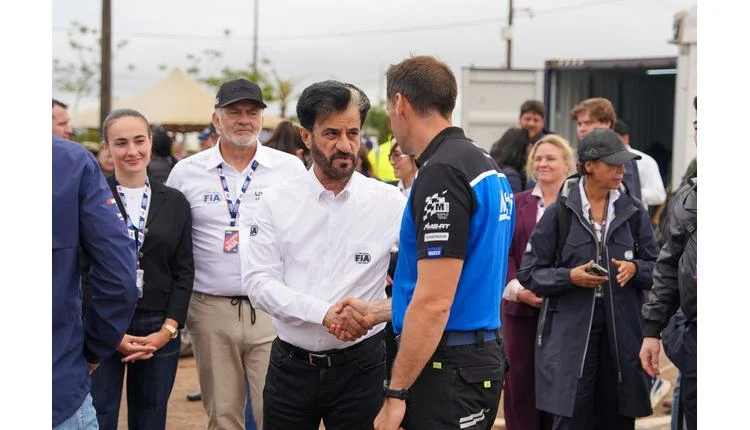
“There is real momentum behind the championship’s next era,” said FIA President Mohammed Ben Sulayem, welcoming Ford's decision. “Ford’s return underscores the confidence manufacturers have in the WRC’s future direction.”
Jim Baumbick, President of Ford Europe, highlighted the brand's rallying heritage and its role in shaping future vehicles. “We want our next generation of European vehicles to carry that same unapologetic spirit,” he said, referencing the brand's history of success in the sport. Ford's rally programme has been a proving ground for technologies that eventually find their way into production cars, and the company sees the WRC as a vital platform for innovation.
Ford's expanding motorsport portfolio
The WRC announcement coincides with Ford's broader motorsport ambitions. The company is already active in the FIA Formula One World Championship through its partnership with Red Bull Racing, and it competes in the FIA World Endurance Championship with the Mustang GT3. This multi-series approach reflects Ford's strategy to leverage motorsport for brand building and technological development.
For the travel and tourism industry, Ford's return to the WRC could have ripple effects. Rally events are major drivers of sports tourism, attracting thousands of spectators to host regions. The WRC's expansion into the US and UK markets could boost local economies, particularly in rural areas where rallies are often held. Hotels, tour operators, and destination marketing organizations are likely to see increased demand around event dates.
The WRC's new regulations are also expected to lower barriers for teams and sponsors, potentially increasing the number of entries and the overall competitiveness of the series. This could make rallying more attractive to a wider audience, further enhancing its tourism appeal.
Ford's commitment is a significant vote of confidence in the WRC's future. With four manufacturers now signed up for the WRC27 era, the championship is poised for a period of growth and innovation. As the series prepares for its next chapter, the travel industry will be watching closely to capitalize on the opportunities that rallying brings.