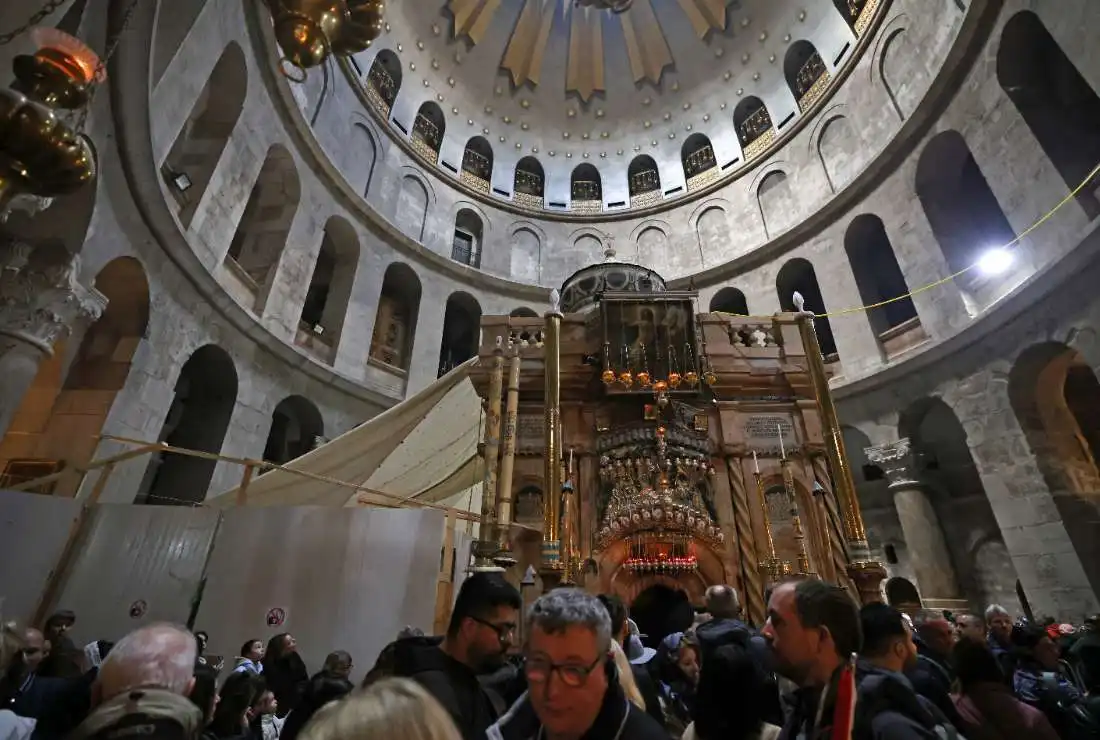
The Holy Land's pilgrimage trade, a cornerstone of regional tourism for centuries, has ground to a halt as the 2026 escalation of the Middle East conflict disrupts air travel, border crossings, and insurance availability. While the immediate economic impact is severe, industry veterans point to the sector's unique resilience, rooted in the spiritual significance of the destination for millions of Christian, Jewish, and Muslim travelers.
Operational halt and logistical barriers
Major specialized tour operators, including those catering to Catholic and evangelical groups, have suspended Holy Land itineraries until long-term stability is assured. Brief windows of calm in early 2025 offered a temporary reprieve, but subsequent escalations have prompted a full pause. The logistical hurdles are formidable: frequent flight disruptions at Tel Aviv's Ben Gurion Airport, heightened border sensitivities with Jordan and Egypt, and a scarcity of standard travel insurance coverage for active conflict zones all deter international arrivals.
As a result, key destinations such as Bethlehem and Nazareth—cities almost entirely dependent on Christian pilgrimage traffic—have experienced near-total losses in visitor revenue. Local shopkeepers, hoteliers, and guides, who had begun to rebuild after the pandemic, now face an extended period of uncertainty.
A history of resilience
Religious tourism operates under fundamentally different dynamics than leisure travel. For many, visiting the Holy Land is an essential spiritual milestone, not a discretionary holiday. This deep-seated conviction has historically triggered a 'rubber-band' recovery effect: pilgrimage numbers bounce back swiftly once safety is restored.
Faith leaders across the region, including Latin Patriarch Cardinal Pierbattista Pizzaballa, emphasize that global interest does not evaporate during conflict—it simply awaits a safe window of opportunity. Local communities remain poised to welcome visitors back, relying on the return of pilgrimage trade to rebuild their economies.
Phased recovery expected
Industry analysts anticipate that once security conditions stabilize, the resurgence of Holy Land pilgrimages will follow a structured, phased framework:
- Geographic staging: Group itineraries are expected to resume initially in relatively tranquil zones, such as the Galilee region or biblical heritage sites across the river in Jordan, before a full reintegration of key hubs like Jerusalem's Old City and Bethlehem.
- Institutional guidance: The initial wave of recovery will be anchored by religious institutions, church-affiliated operators, and specialized Catholic and evangelical agencies, working alongside localized security networks to provide travelers with necessary assurances.
This phased approach mirrors patterns seen in other conflict-affected pilgrimage destinations, where faith-based travel often leads the recovery. The evolving role of travel insurance in such environments is also a critical factor, as providers adapt to cover active conflict zones.
The current conflict presents a formidable challenge on the heels of post-pandemic recovery efforts. However, the enduring spiritual significance of the Holy Land ensures that its pilgrimage sector remains uniquely positioned to rebuild and thrive once more. As one regional tourism official noted, 'The faithful will return; they always do.'
For travel professionals, the key takeaway is to maintain flexible booking policies and stay in close contact with ground operators who have deep local knowledge. The broader Middle East travel trade is also watching these developments closely, as regional connectivity and consumer confidence remain intertwined.