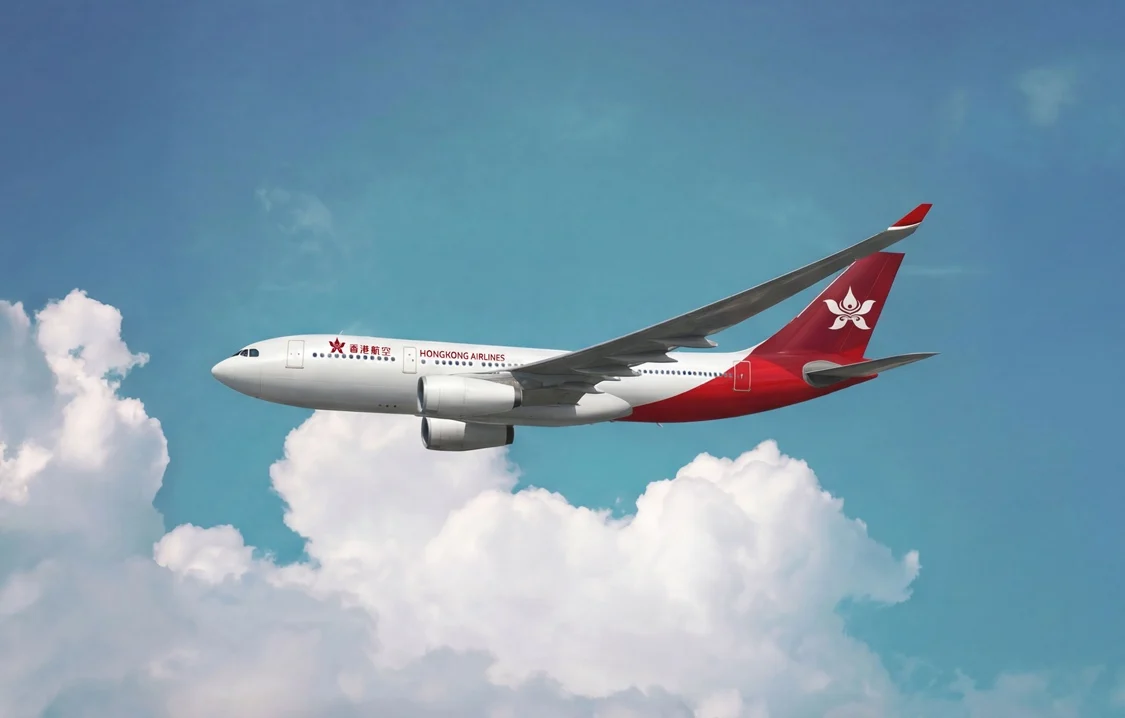
Hong Kong Airlines has thrown its weight behind the Hong Kong Special Administrative Region's First Five-Year Plan for Economic and Social Development (2026–2030) and the accompanying 2026 Policy Address. The carrier says these initiatives will reinforce Hong Kong's position as a leading international aviation hub and align the city with broader national development strategies.
In a statement, the airline highlighted its alignment with the plan's emphasis on expanding route networks, particularly to regions connected to the Belt and Road Initiative. Hong Kong Airlines has already launched services to Xining, Hulunbuir, Lanzhou, Lijiang, and Da Nang, improving connectivity between Hong Kong and these emerging markets. The carrier is urging the government to continue negotiating air service agreements and expanding traffic rights to keep pace with demand.
Smart tourism and AI integration
Beyond route growth, Hong Kong Airlines is embracing smart tourism by collaborating on artificial intelligence applications designed to enhance the visitor experience. This includes AI-driven flight recommendations and booking services, aiming to deliver a more personalised travel journey. The airline believes these innovations will help Hong Kong stay competitive in the global travel landscape.
The carrier also supports the development of an industry ecosystem for aircraft parts processing and sustainable aviation fuel (SAF). These initiatives are seen as critical to reducing the sector's environmental footprint and ensuring long-term sustainability.
Bruce Wang, Chairman of the Board of Directors, commented: "As we celebrate our 20th anniversary, we will embrace this milestone as a new beginning, continue to deepen our presence in the local market and fully leverage our strengths as an airline connecting Hong Kong, the Mainland and the world."
Hong Kong Airlines' commitment comes as the broader Asia-Pacific aviation market faces mixed traffic results and rising fuel costs, as noted in recent industry reports. The airline's focus on regional connectivity and technological adoption positions it to navigate these challenges while contributing to Hong Kong's economic growth and tourism development.
Industry observers see the carrier's endorsement as a positive signal for Hong Kong's aviation sector, which has been working to regain momentum post-pandemic. The five-year plan's focus on infrastructure and connectivity is expected to benefit not only Hong Kong Airlines but also other carriers operating in the region.
For travel professionals, the airline's route expansion and AI initiatives could open new opportunities for partnerships and customer engagement. The emphasis on sustainable aviation fuel also aligns with growing industry-wide efforts to reduce carbon emissions.
As Hong Kong Airlines marks its 20th anniversary, its strategic priorities reflect a broader trend among Asian carriers to leverage government support and technological innovation to strengthen their market positions. The airline's actions will be closely watched by competitors and stakeholders alike.