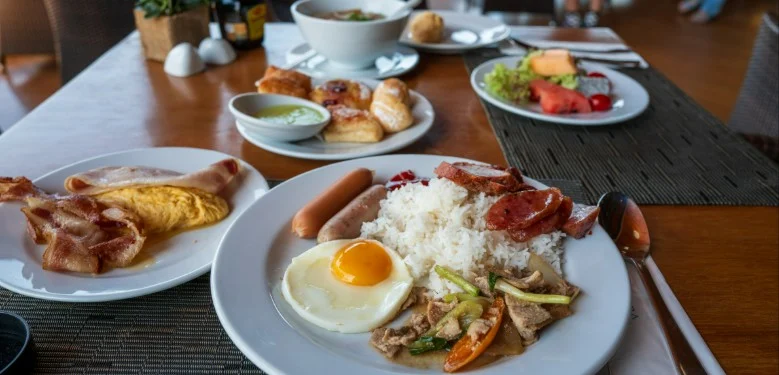
In early September, an InterContinental property in Hefei, Anhui province, became the focal point of a growing scam that has pushed hotels in China to adopt stricter measures at their breakfast venues. The incident, which drew widespread media attention, involved a breakfast voucher worth just a few yuan (about USD 1) sold on Xianyu, Alibaba's secondhand marketplace.
According to reports, a buyer purchased a voucher for a five-star hotel breakfast on Xianyu. After being seated and halfway through the meal, the customer was asked to leave by hotel staff. The hotel later discovered that the seller had previously posed as a hotel guest, called the property, and threatened to leave a negative review unless a complimentary breakfast was provided. The account was subsequently blacklisted.
Despite the media coverage, similar vouchers continue to appear on the platform, and hotels are realizing that relying on user reports is insufficient to keep pace with the rapid listing of new fraudulent offers. The scam has spread nationwide, with sellers offering breakfast vouchers at a fraction of the regular price, often for just a few yuan.
Professionalized fraud
The tactics used by these sellers are increasingly professionalized. They fabricate issues with hotel facilities, pose as guests to pressure hotels into providing free breakfasts, and then resell the vouchers. The entire process is wrapped in the language of consumer rights, but there is no genuine dispute behind it. The sole objective is profit.
In the past, hotels often treated such incidents as difficult customer complaints, giving away a few breakfasts to avoid escalation. Today, however, many hotels are facing something closer to professionalized fraudulent claims. The pressure is exerted through negative reviews, complaints, and online exposure, a form of non-physical coercion that has become increasingly common online.
Some hotels have already made their refusal explicit at the entrance, posting notices that such claims will not be honored. The hotel industry's pushback is only just beginning, and operators are exploring more robust verification methods to protect their revenue and reputation.
This trend underscores the broader challenge hotels face in balancing guest satisfaction with fraud prevention. As commercial teams adapt to new revenue management realities, they must also contend with such emerging threats. The issue also highlights the need for platforms like Xianyu to implement stricter seller verification and monitoring, a point echoed by industry observers.
For hoteliers, the lesson is clear: proactive measures, including staff training and clear policies, are essential to mitigate the impact of such scams. As the industry continues to digitize, the battle against fraudulent claims is likely to intensify, requiring a coordinated response across the sector.