India's restaurant industry is undergoing a fundamental shift as affluent consumers increasingly prioritize experiences over mere meals. Tanveer Kwatra, founder of GRAMMIE and a veteran of luxury hospitality, argues that the future belongs to venues that blend culinary excellence with immersive design, global influences, and flexible service models. This transformation mirrors broader trends in travel, where high-end travelers seek authenticity and originality in every touchpoint.
Experience Economy Reshapes Dining
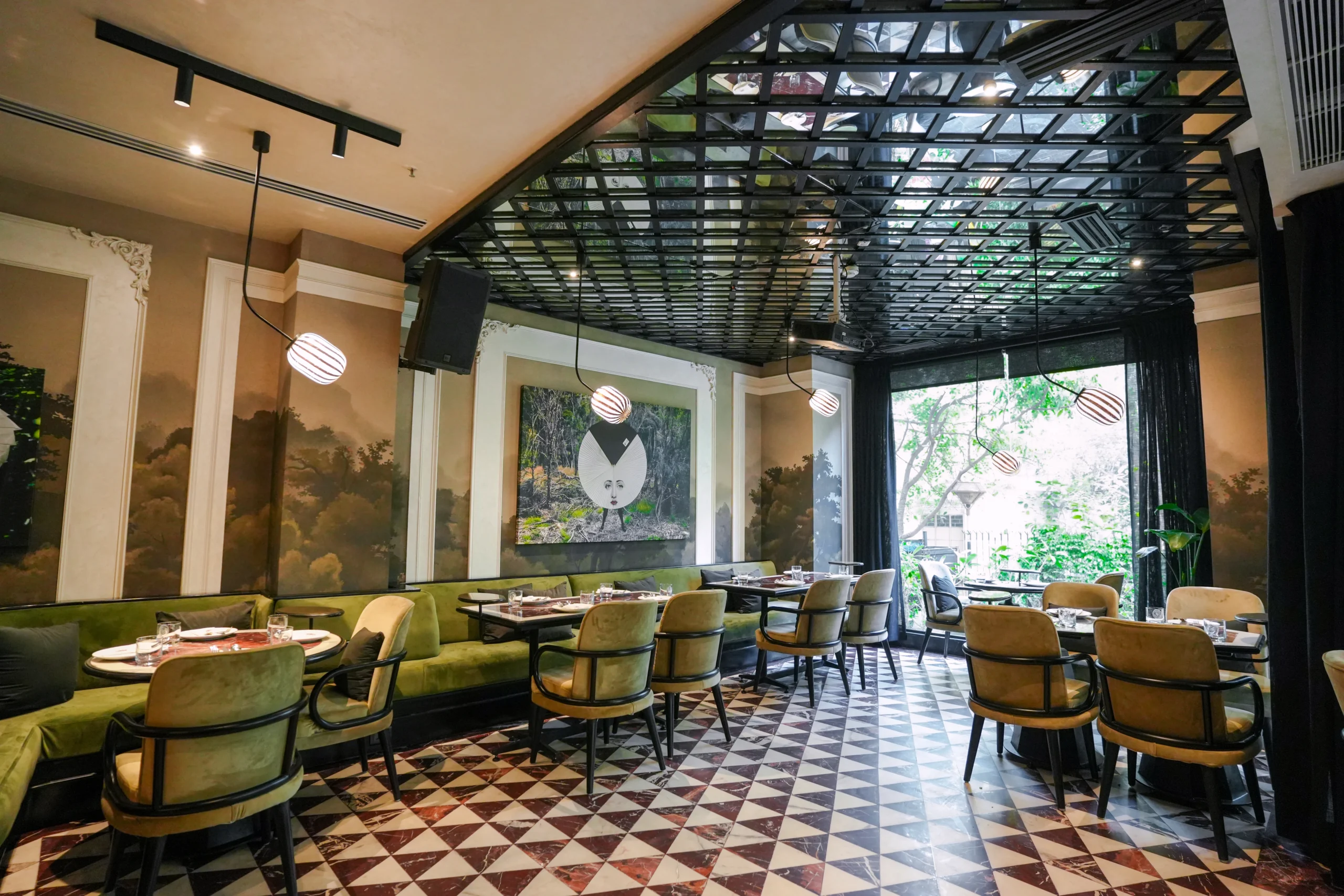
Kwatra notes that modern diners evaluate restaurants on ambience, music, cocktails, service, and storytelling behind each dish. Fine dining now emphasizes originality, craftsmanship, and attention to detail rather than excess. Open-fire cooking, thoughtfully designed beverage programs, and seasonal menus create unique emotional connections. As India's affluent base grows and international travel becomes more accessible, restaurants compete on experience rather than price alone.
This shift aligns with the rise of experiential travel, where destinations like those highlighted in Indian Road Trippers Flock to Remote Hill Stations see increased demand for authentic, off-the-beaten-path experiences.
Social Media as Amplifier, Not Replacement
While Instagram and other platforms drive discovery among younger diners, Kwatra cautions against designing restaurants solely for viral moments. Lasting success depends on consistently high-quality food and hospitality. Social media works best when it reflects authentic guest experiences, turning satisfied diners into organic ambassadors. Restaurants built on temporary visual trends may enjoy short-term popularity, but enduring brands are built on substance and consistency.
Global Influences with Purpose
Indian diners have become more adventurous, embracing cuisines and techniques from around the world. Kwatra sees opportunity in approaches like Wafu Italian cuisine, which blends Japanese precision and respect for ingredients with Italian generosity and simplicity. Live-fire cooking adds depth and character. Rather than fusion for novelty's sake, successful concepts blend culinary philosophies to create dishes that feel both familiar and original. As consumers broaden their horizons, restaurants with distinct identities and clear narratives stand out in a competitive market.
Sourcing and Sustainability Gain Traction
Taste remains paramount, but awareness around food sourcing, sustainability, and seasonality is reshaping purchasing decisions, especially in premium dining. Kwatra believes diners increasingly want to know where ingredients originate and why seasonal cooking delivers superior flavor. Leading restaurants recognize that responsible sourcing improves food quality. Transparency around provenance is becoming a valuable differentiator for building long-term loyalty.
This trend parallels developments in the hospitality sector, where hotel groups like those in Hilton Debuts Spark Brand in India are expanding to meet evolving consumer expectations.
All-Day Destinations Redefine Hospitality
Consumers no longer view restaurants as venues reserved for dinner or celebrations. They seek flexible spaces for business meetings, relaxed lunches, evening drinks, and vibrant dinners. This all-day model strengthens customer relationships and improves commercial performance by maximizing use of space and staff. Restaurants that adapt atmosphere, menu, and service across multiple occasions become part of daily routines rather than occasional indulgences. This evolution reflects broader lifestyle changes among urban professionals who blur boundaries between work, leisure, and socializing.
Kwatra emphasizes that authenticity will outlast short-lived trends. As India's restaurant landscape matures, operators who stay true to their culinary philosophy while embracing experiential elements will define the future. For travel professionals, this signals opportunities in destination dining, culinary tourism, and partnerships with hotels and cruise lines seeking to offer unique experiences.
For instance, the rise of experiential dining could complement river cruise offerings like those planned by Scenic Group to Launch River Cruises in India and Sri Lanka, where onboard and shore-side culinary experiences become key selling points.