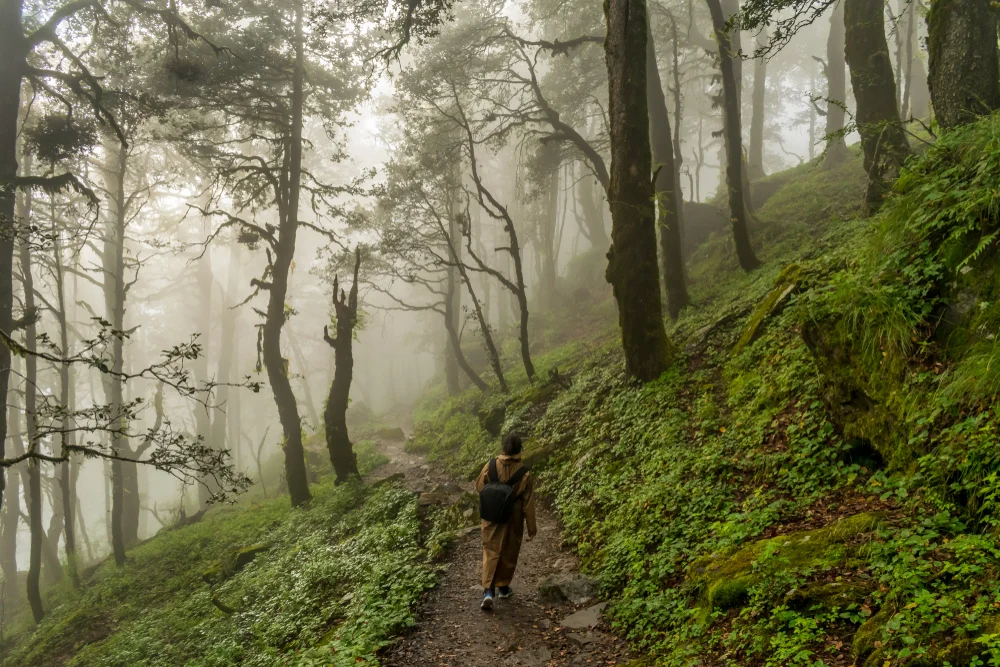
For decades, India's hill station circuit has been dominated by a handful of names: Shimla, Manali, Mussoorie, Nainital, and Ooty. These destinations continue to attract millions annually, but the experience has soured for many. Bumper-to-bumper traffic on winding mountain roads, long queues at hotels, and overcrowded viewpoints have become the norm, particularly during peak weekends and holiday seasons.
Now, a discernible shift is underway. Improved highway infrastructure, the rising popularity of self-drive holidays, and a growing appetite for slow travel are prompting Indian motorists to explore lesser-known hill retreats. Instead of ticking off crowded landmarks, travelers are seeking quiet villages, scenic drives, local cuisine, and unspoiled nature. This pivot is reshaping domestic tourism patterns and creating new opportunities for hospitality providers, tour operators, and destination marketers.
Five Emerging Hill Destinations Gaining Traction
Tirthan Valley, Himachal Pradesh — Located in the Kullu district, Tirthan Valley offers a stark contrast to the bustle of nearby Manali. The turquoise Tirthan River flows past wooden cottages, and forest trails lead into the Great Himalayan National Park, a UNESCO World Heritage Site. Activities center on trout fishing, apple orchard walks, and village exploration. The drive from Chandigarh takes about seven hours and is scenic throughout. For travelers seeking disconnection, Tirthan delivers the peace that many popular hill stations have lost.
Chikhaldara, Maharashtra — While Mahabaleshwar and Lonavala dominate Maharashtra's hill station conversation, Chikhaldara in the Satpura Hills offers a quieter alternative. It features thick forests, dramatic viewpoints, and access to the Melghat Tiger Reserve. Sunrise viewpoints remain uncrowded, and local cafés retain a small-town charm. For motorists from Nagpur, Hyderabad, or central Maharashtra, it is an easy long-weekend escape that remains under the radar.
Yercaud, Tamil Nadu — In the Shevaroy Hills, Yercaud has built a loyal following among travelers looking for a relaxed mountain holiday away from Ooty's crowds. The drive features twenty winding hairpin bends with sweeping valley views. Once there, visitors enjoy boat rides on Yercaud Lake, coffee plantation strolls, and botanical gardens. For families and couples driving from Bengaluru or Chennai, Yercaud balances accessibility with tranquillity.
Ziro Valley, Arunachal Pradesh — Known internationally for its music festival, Ziro Valley offers far more than one annual event. Home to the indigenous Apatani community, the landscape features rolling green fields, bamboo forests, and traditional villages. Reaching Ziro requires more effort than most hill stations, but that has preserved its character. Visitors come for cultural experiences, traditional farming practices, and community hospitality. For travelers seeking meaningful experiences, Ziro delivers in abundance.
Chopta, Uttarakhand — Often called the "Mini Switzerland of India," Chopta remains surprisingly untouched. Surrounded by dense forests and alpine meadows, it serves as the gateway to Tungnath Temple—the world's highest Shiva temple—and the Chandrashila summit trek. Even non-hikers enjoy snow-capped Himalayan views, crisp mountain air, and star-filled skies. The drive from Delhi takes nine to ten hours, making it popular among self-drive enthusiasts. Accommodation consists of cozy lodges, eco-camps, and homestays that blend into the landscape.
India's travel habits are evolving. Instead of rushing through packed itineraries, many travelers now prefer slower holidays where the destination itself becomes the experience. Better roads have made long-distance driving easier, while remote working has allowed people to extend weekend breaks. This trend mirrors similar shifts seen globally, such as the move beyond Japan's Golden Route to cities like Nagoya, Kanazawa, and Fukuoka, as highlighted in our recent analysis: Beyond Japan's Golden Route: Nagoya, Kanazawa, and Fukuoka Offer Relief from Overtourism.
For travel industry stakeholders—from hoteliers and tour operators to destination marketing organizations—this shift presents both challenges and opportunities. Traditional hill stations must innovate to manage overtourism, while emerging destinations can position themselves as authentic alternatives. The rise of self-drive tourism also opens avenues for partnerships with car rental companies, fuel retailers, and roadside hospitality providers. As Indian travelers continue to explore beyond the beaten path, the industry must adapt to meet their demand for slower, more meaningful journeys.