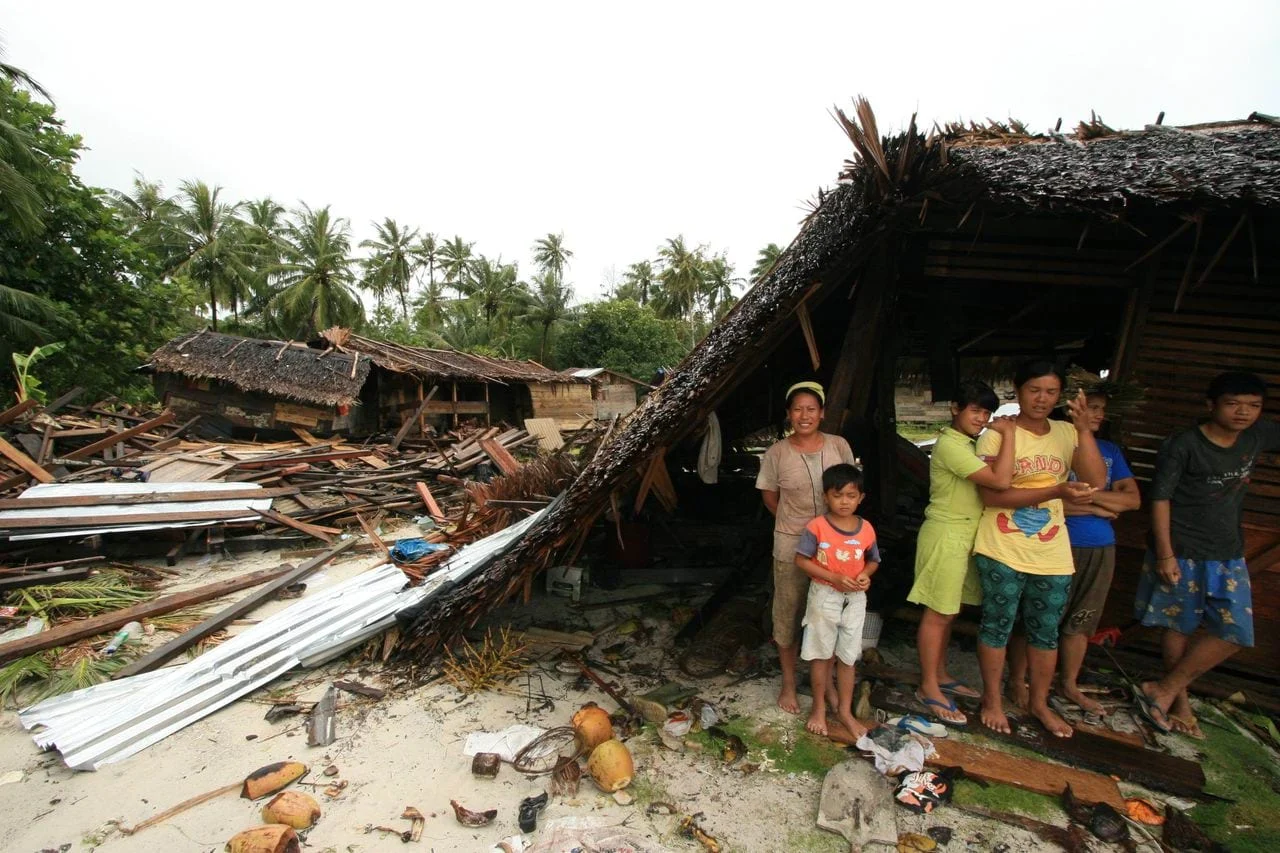
For Indonesia, a nation whose postcard destinations sit squarely on the Pacific Ring of Fire, disaster resilience has moved from an optional risk metric to an existential imperative. With climate change amplifying seismic and weather-related threats, the region's largest economy is overhauling how it plans and manages tourism infrastructure.
The shift is structural: instead of reacting to disasters after they strike, Indonesia's tourism authorities are embedding risk mitigation into the fabric of destination planning. This includes integrating the National Disaster Management Agency's (BNPB) village-level programs with the Ministry of Tourism and Creative Economy's (Kemenparekraf) regional expansion strategy.
Scaling disaster-resilient tourism villages
Pioneering models in Kelawi, Lampung, and Karang Bayan, West Nusa Tenggara, are now serving as blueprints. These community-driven initiatives incorporate localized early-warning systems, designated evacuation routes, and resilient supply chains directly into daily operations. The newly drafted Disaster Resilient Tourist Village Guidelines, once standardized across all provinces, will mandate formal crisis management training for local operators and homestay hosts, effectively turning communities into the first line of defense.
This approach aligns with broader efforts to diversify Indonesia's tourism offerings beyond Bali, as seen in the push to attract niche markets like South Korean travellers. By strengthening village-level resilience, the government aims to protect both visitors and the livelihoods that depend on them.
Rethinking land use in tourism zones
Unchecked real estate expansion has proven to be a direct multiplier of natural hazard risks. In heavily touristed hubs like Bali, the loss of agricultural drainage fields and subsequent soil erosion have triggered fatal flash floods and landslides. To reverse this trend, Indonesia is moving toward strict, climate-conscious land-use zoning that enforces construction limits along high-risk coastal corridors, steep inclines, and active volcanic paths.
Investing in eco-infrastructure—such as restoring coastal mangrove forests and establishing marine no-take zones—creates natural buffers against tsunami surges and inland flooding. These measures are not just environmental; they are economic safeguards for the tourism sector, which relies on predictable, safe experiences.
Crisis communication for international travellers
A critical gap in conventional disaster strategies is that emergency alerts are typically designed for permanent residents, not transient, non-native tourists. To address this, Indonesia is developing multilingual, geo-targeted notifications delivered via automated SMS, dedicated travel apps, and hotel networks near active zones like Mount Merapi and Mount Agung.
Hospitality providers and digital booking platforms are being urged to adopt pre-arrival transparency, communicating evacuation paths and emergency contacts at check-in rather than obscuring risk metrics out of commercial concern. This is a cultural shift for an industry that has often prioritized marketing over safety disclosure.
Strengthening cross-sector risk partnerships
Cross-border collaboration and academic partnerships, including research networks led by institutions like Universitas Gadjah Mada (UGM), are linking climate experts with hospitality stakeholders for seasonal forecasting. Concurrently, aligning local health services with regional disaster bureaus (BPBD) and the Red Cross ensures that remote destinations retain operational self-sufficiency during seismic events.
These efforts are part of a broader industry trend where resorts and airlines turn to microgrids and SAF to mitigate climate risks. For Indonesia, the focus is on protecting its most valuable asset—its natural and cultural attractions—while ensuring that tourism growth does not come at the cost of safety.
As the country moves forward, the integration of disaster resilience into tourism policy will be a key differentiator for destinations vying for international visitors. The message is clear: in the face of climate change, resilience is not just a safety measure—it is a competitive advantage.