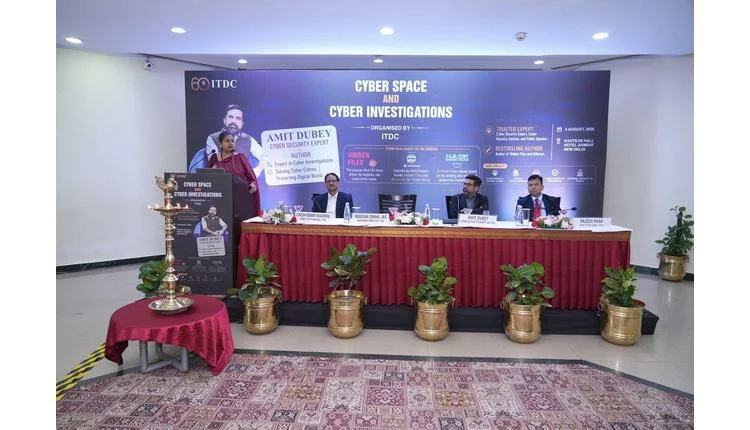
India Tourism Development Corporation (ITDC) has kicked off a dedicated Cyber Security Capacity Building Programme at Hotel Samrat in New Delhi, targeting enhanced digital awareness and practical security skills across its workforce. The initiative, which aligns with the Government of India's Cyber Surakshit Bharat framework, underscores the growing importance of cyber readiness in the hospitality and tourism sector.
The workshop was led by Amit Dubey, a recognised cyber security expert and investigator, who walked participants through emerging threat landscapes, data protection protocols, and fraud prevention tactics. Dubey stressed that technology alone cannot shield an organisation from cyber risks, telling attendees: "Technology alone cannot secure organisations; every individual plays a vital role in strengthening cyber resilience through informed and responsible digital behaviour."
ITDC's leadership, including directors and division heads, took part in the session, which combined compliance briefings with real-time case studies. Attendees were introduced to practical tools and best practices designed to counter evolving cyber threats, from phishing attempts to ransomware attacks that increasingly target travel and hospitality firms.
Mugdha Sinha, Managing Director of ITDC, framed the programme as part of India's broader digital empowerment agenda. "Cyber security is a shared responsibility, requiring awareness, vigilance, and collective commitment from every individual," she said. Her remarks echo a wider industry push to embed security awareness into daily operations, particularly as hotels and tourism bodies handle sensitive guest data and payment systems.
Building a cyber-aware hospitality workforce
The programme is part of ITDC's broader effort to cultivate a cyber-aware culture that supports national security objectives. By focusing on secure communication practices and proactive threat reporting, the corporation aims to reduce vulnerabilities across its hotel and tourism operations. This move comes as other travel players also bolster their digital defences; for instance, Malaysia Airlines and SNCF recently launched an integrated air-rail booking system, highlighting how digital interconnectivity raises the stakes for security across the travel ecosystem.
For travel professionals, the ITDC initiative serves as a reminder that cyber security is no longer just an IT concern but a board-level priority. Hotel groups, airlines, and tour operators are increasingly investing in employee training to guard against breaches that could disrupt operations and erode traveller trust. The programme at Hotel Samrat, a key MICE venue in the capital, also signals that state-run hospitality entities are taking proactive steps to secure their digital infrastructure.
ITDC's commitment to cyber resilience comes at a time when the hospitality sector is expanding its digital footprint, from online bookings to contactless services. As GRT Hotels recently showcased its South India portfolio in Delhi, the emphasis on secure digital practices is becoming a competitive differentiator for hotel groups seeking to reassure corporate clients and leisure travellers alike.
The workshop also highlighted the role of individual accountability in organisational security. Dubey's session encouraged participants to adopt a proactive mindset, reporting suspicious activities and following secure protocols in their daily routines. This approach aligns with global best practices, where human error remains a leading cause of data breaches.
Looking ahead, ITDC plans to extend such training across its network of hotels and tourism offices, ensuring that cyber security becomes a standard part of employee development. The initiative is a practical example of how public-sector tourism bodies can lead by example, setting a benchmark for private operators to follow.
For travel industry stakeholders, the message is clear: investing in cyber security is not optional. As digital threats grow more sophisticated, organisations that prioritise workforce training and compliance will be better positioned to protect their operations and maintain traveller confidence. ITDC's programme, with its focus on real-world case studies and expert guidance, offers a template for other hospitality groups to emulate.