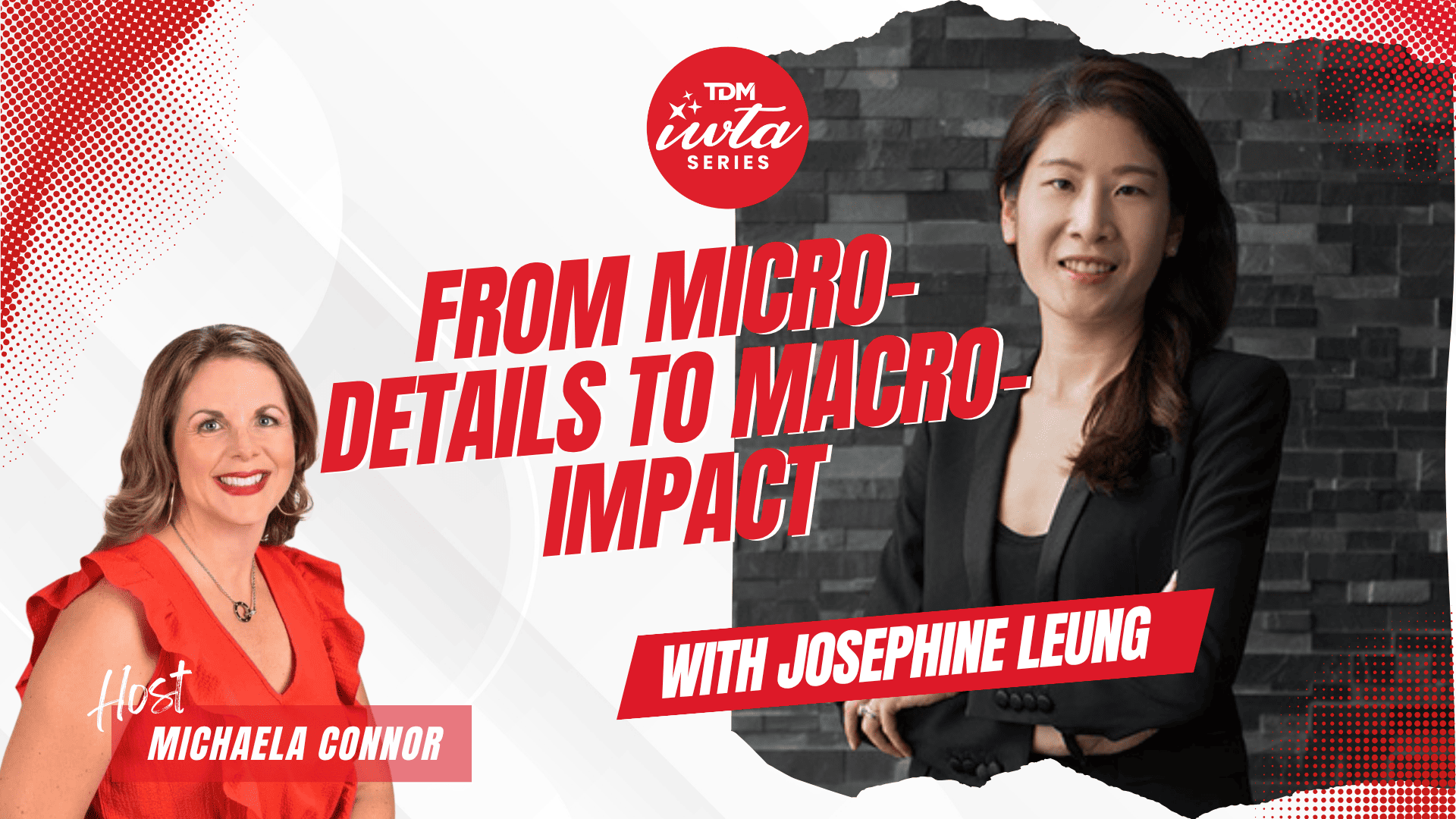
In the global hospitality sector, wellness is often treated as a sub-department or a series of isolated spa amenities. But Josephine Leung, Co-Founder and Managing Director of Goco Hospitality, is demonstrating that authentic wellness must be woven directly into the architectural fabric and community landscape of a destination. In an interview with the International Women in Travel and Hospitality Association (IWTA), Leung shared her perspective on how urban design and wellness intersect to create meaningful guest experiences.
From Micro-Details to Macro-Impact
Leung emphasized that wellness cannot be an afterthought. "It starts with the micro-details — the choice of materials, the flow of natural light, the acoustics of a space — and extends to the macro-impact of how a property connects with its surrounding community," she said. For travel professionals, this means rethinking everything from lobby layouts to partnerships with local wellness providers.
Goco Hospitality, a consultancy based in Hong Kong, works with hotel groups, developers, and destinations to integrate wellness into their DNA. Leung cited examples where properties have incorporated local botanical gardens, meditation paths, and even urban farms to create a sense of place. "Wellness is not a checklist; it's a philosophy that should guide every decision," she added.
The conversation also touched on the growing demand for wellness among business travelers and MICE groups. Leung noted that corporate clients are increasingly seeking venues that support mental and physical well-being, from ergonomic meeting rooms to healthy catering options. This trend aligns with broader shifts in the industry, such as the focus on hospitality skills gaining value as AI reshapes travel workforce needs.
Community-Centric Design
Leung stressed that authentic wellness extends beyond the hotel walls. "We look at how a property can act as a hub for the local community," she explained. This includes designing public spaces that invite residents in, such as rooftop gardens, wellness workshops, and farmer's markets. Such approaches not only enhance guest experiences but also build long-term loyalty and positive brand perception.
For hoteliers and developers, this requires a shift in mindset. Leung advised starting with a thorough analysis of the destination's cultural and environmental assets. "Every location has unique wellness elements — whether it's a thermal spring, a forest trail, or a tradition of herbal medicine. The key is to integrate them authentically," she said.
This philosophy is particularly relevant as destinations like Yas Island activates World Cup 2026 fan zones with hospitality packages for travel trade, where large-scale events require thoughtful planning to avoid overwhelming local ecosystems.
Practical Advice for Travel Professionals
Leung offered actionable insights for those looking to embed wellness into their projects. She recommended conducting wellness audits of existing properties, training staff in holistic hospitality, and collaborating with local artisans and healers. "It's about creating a narrative that guests can feel, not just read about," she said.
For travel agents and tour operators, this means curating itineraries that prioritize well-being — from mindful airport transfers to accommodations with wellness certifications. Leung also highlighted the importance of technology in personalizing wellness experiences, such as apps that track sleep patterns or suggest local wellness activities.
The interview concluded with Leung's vision for the future: "I hope to see a world where every hotel, regardless of its category, considers wellness as integral to its design and operations. That's when we'll truly see the macro-impact."
For those interested in learning more about female leaders in travel and hospitality, IWTA encourages nominations via their website. The association continues to spotlight voices like Leung's, who are reshaping the industry from the ground up.