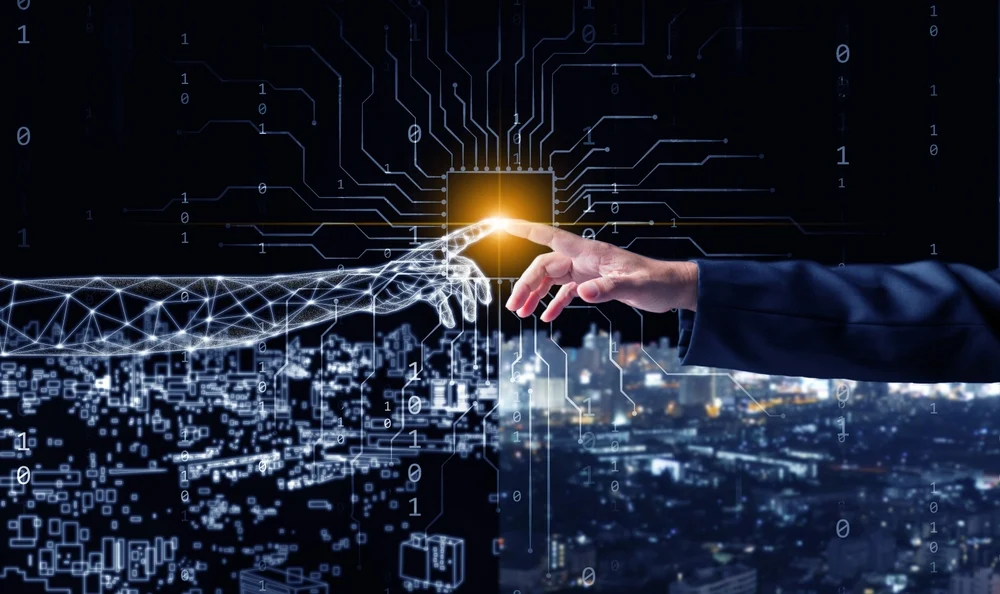
The travel industry's rapid embrace of artificial intelligence—from Marriott's AI-powered concierge bots to Delta Air Lines' predictive maintenance systems—is reshaping workforce priorities in unexpected ways. Rather than diminishing the need for people, recent data and executive strategies suggest AI is amplifying the value of distinctly human capabilities: empathy, creativity, judgment, and relationship-building.
AI Adoption Accelerates Across Travel Sectors
Investment in generative AI is surging across aviation, hospitality, and travel technology. Accor is using machine learning to optimize room pricing across its portfolio of 5,400 hotels. Amadeus has integrated AI into its Altéa reservation system to help airlines like Singapore Airlines personalize offers in real time. Online travel agencies such as Booking.com now deploy AI to recommend destinations and tailor itineraries based on individual preferences, processing billions of data points daily.
The operational benefits are clear: AI handles routine tasks—booking confirmations, baggage tracking, basic guest queries—at scale and speed. But as technology takes over administrative work, the human role shifts toward higher-value interactions that machines cannot replicate.
PwC Data Confirms Shift Toward Human Skills
PwC's latest AI Jobs Barometer, analyzing over one billion job advertisements globally, found that as AI integration deepens, employers increasingly seek skills that technology struggles to replicate: communication, critical thinking, emotional intelligence, creativity, and leadership. The report, released in early 2026, indicates that AI is not reducing headcount but changing what businesses expect from employees.
For hospitality employers, this is particularly relevant. A front-desk agent at Hilton no longer needs to search multiple systems for guest history; AI surfaces that data instantly. What matters is how the agent uses that insight to create a personalized welcome. Similarly, travel advisors using Sabre's AI-powered itinerary tools can spend less time on research and more time understanding client preferences.
Authentic Interactions Remain Irreplaceable
Despite the proliferation of digital tools, travelers consistently value personal connections. A family celebrating a milestone at a Four Seasons resort, a business traveler facing a last-minute flight cancellation on Lufthansa, or a guest arriving exhausted after a long-haul journey to Tokyo—these moments demand reassurance, cultural sensitivity, and genuine care. A chatbot can answer check-in times but cannot read emotions or recognize when someone needs extra attention.
Skills such as empathy, trust-building, and relationship management remain among the least vulnerable to automation. As travel becomes increasingly digital, these human interactions become even more memorable because they stand out. The future belongs to businesses that invest in people as much as technology.
AI as an Empowerment Tool, Not a Replacement
The most successful travel enterprises are unlikely to be those that replace staff with AI. Instead, they will use AI to empower employees. IHG Hotels & Resorts, for example, uses AI to handle routine guest inquiries, freeing frontline teams to focus on meaningful interactions. Travel advisors leveraging Travelport's AI-driven platform can speed up itinerary planning, giving them more time to deliver personalized recommendations.
Fortune recently reported that hospitality companies increasingly view AI as a tool for enhancing guest experiences rather than reducing human contact. The goal is to combine technological efficiency with personalized service—a balance that could become a key competitive advantage. Access Hospitality's new AI layer, unveiled at HITEC 2026, exemplifies this trend by unifying hotel data to give staff a single view of each guest.
Investing in People for Long-Term Advantage
As AI tools become commoditized, access to technology alone will no longer differentiate travel brands. Most businesses will eventually have similar systems, platforms, and capabilities. What will set leaders apart is how effectively they combine those tools with human talent.
This means investing not only in digital skills but also in communication, emotional intelligence, cultural awareness, and leadership development. Programs like SUNY Niagara's integration of RMS into its hospitality curriculum aim to produce tech-ready graduates who also excel in guest relations. Similarly, ITDC's partnership with Mizoram focuses on building hospitality skills in tribal tourism, recognizing that local knowledge and warmth are irreplaceable assets.
For tourism and hospitality businesses facing ongoing talent challenges, this shift presents an opportunity. The industry's greatest asset has always been its people, and AI may ultimately reinforce that reality rather than undermine it. While AI can create smoother journeys and more personalized experiences, it is people who create memories, build loyalty, and bring destinations to life.