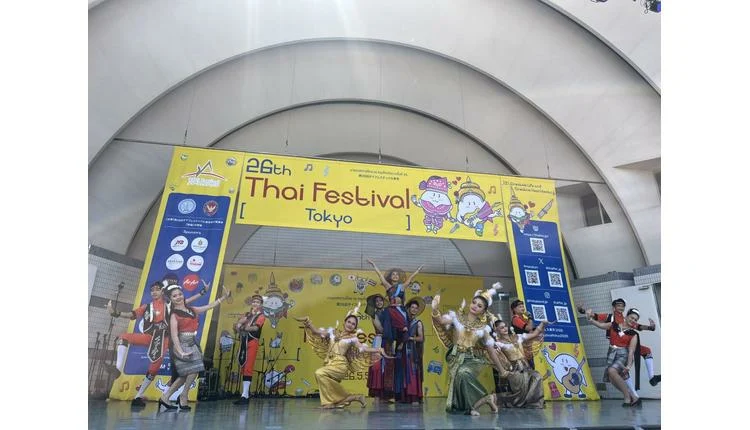
Japan and Southeast Asia are entering a new phase of cultural and tourism cooperation, driven by large-scale festivals, rising visitor numbers, and enduring diplomatic principles. Recent events in Tokyo, including the Thai Festival Tokyo 2026 and the Laos Festival, have drawn record crowds, reflecting growing mutual interest between the regions.
The Thai Festival Tokyo 2026, held in May at Yoyogi Park, attracted over 280,000 attendees. Visitors sampled Thai cuisine and watched performances, including a T-pop stage featuring popular Thai artists. Vorapong Vadhanasindhu, Counsellor at the Royal Thai Embassy in Tokyo, noted a marked increase in Japanese interest in Thai entertainment. The Laos Festival also saw strong participation, with Japan's Princess Aiko attending the opening ceremony.
Tourism Growth and Trust
Tourism from Southeast Asia to Japan has expanded significantly. According to the Japan National Tourism Organisation, 4.8 million visitors from six major ASEAN countries traveled to Japan in 2025—a tenfold increase since 2003. A survey by the ISEAS – Yusof Ishak Institute found Japan to be the top holiday destination for Southeast Asians, with 32.5% preferring it over other regions.
Trust in Japan remains high among Southeast Asians, with 65.6% expressing confidence in the country, according to the same survey. This trust is attributed to Japan's responsible international conduct and economic leadership. The enduring principles of the Fukuda Doctrine, which emphasizes equal partnership and mutual understanding, continue to guide Japan-Southeast Asia relations. As the 50th anniversary of the doctrine approaches in 2027, both regions aim to deepen their cultural and diplomatic ties further.
For travel professionals, these trends present opportunities in destination marketing, tour packaging, and hospitality development. The surge in Southeast Asian visitors to Japan has implications for airlines like ANA and Japan Airlines, which have expanded routes from Bangkok, Singapore, and Kuala Lumpur. Hotel groups such as Fairmont, which is opening a second Japanese resort in Niseko by early 2028, are also positioning to capture this demand. Meanwhile, platforms like Omio are investing $10 million in Asia expansion, targeting multimodal growth between Japan and Southeast Asia.
Cultural tourism initiatives, such as Thailand's Ubon Ratchathani Candle Procession, which has been elevated to a signature event by the Tourism Authority of Thailand, further illustrate the deepening ties. These events not only attract visitors but also foster cross-cultural understanding, a key pillar of the Fukuda Doctrine.
As the 50th anniversary of the Fukuda Doctrine approaches in 2027, stakeholders across the travel industry should monitor how Japan and Southeast Asia leverage this milestone to boost tourism and cultural exchange. The high trust levels and growing preference for Japan among Southeast Asian travelers suggest sustained growth in visitor numbers, with implications for airlines, hotels, and tour operators.