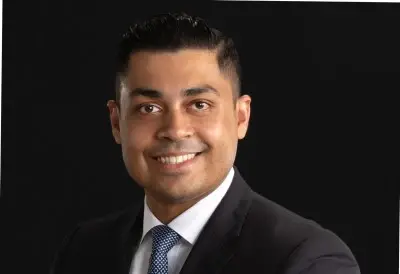
Thailand's hospitality sector is entering a new phase where success hinges on strategic investment rather than simply increasing room supply, according to Jon Cannon, Senior Vice President of Hotel Asset Management for Thailand and Vietnam at JLL Hotels & Hospitality Group. In an interview ahead of his role as a judge at the TDM Travel Trade Excellence Awards 2026 – Thailand, Cannon outlined the trends that will separate market leaders from laggards in one of Asia's most competitive tourism markets.
Beyond Volume: Targeting the Right Visitors
Cannon, who oversees a diverse portfolio across Thailand and Vietnam and brings over two decades of experience from the UK, Australia, and Southeast Asia, argues that the opportunity is no longer about attracting more tourists. “It's about attracting the right visitors, increasing length of stay, and creating experiences people are willing to pay more for,” he said. This shift aligns with broader trends across the region, where destinations like Thailand are leveraging improved infrastructure and connectivity to open up secondary markets. As noted in a recent Visa study, Thailand ranks among the top five Asia Pacific destinations, but Cannon stresses that owners must invest strategically—in wellness, gastronomy, and authentic local experiences—rather than simply adding more rooms.
Segments Poised for Growth
Lifestyle hotels continue to outperform, Cannon noted, because travelers increasingly seek properties that reflect the destination rather than standardized products. Extended-stay concepts, branded residences, and mixed-use developments hold significant long-term potential as remote work reshapes travel patterns. Wellness, once a niche offering, has become an expectation across many traveler segments. Luxury remains resilient but demands genuine personalization, not just expensive finishes. “The strongest performers will be those who can adapt quickly as guest expectations continue to evolve,” Cannon added.
Discipline and Data Drive Long-Term Success
Businesses that consistently outperform in competitive markets are those that master the basics: deep market understanding, customer knowledge, and data-driven decision-making. Cannon emphasized that strong leadership, a clear brand identity, and a culture that empowers staff to deliver exceptional service are difficult to replicate. “Successful businesses also recognize when they need to evolve—whether that's repositioning an asset, investing in technology, or refreshing the guest experience,” he said. This disciplined approach is critical as the industry faces a hospitality talent crisis that is driving university tourism program expansion.
Technology as an Enabler, Not a Replacement
On the technology front, Cannon highlighted the rapid shift in how travelers discover hotels. AI-powered search is transforming discovery beyond traditional SEO, requiring hotels to carefully manage their content, reviews, images, and online reputation. “AI is increasingly pulling information from multiple sources to recommend properties,” he explained. At the same time, guests expect a seamless digital journey from booking through check-in and personalized communication during their stay. The winners will combine strong digital visibility with technology that removes friction while preserving the human service that creates memorable experiences.
Cannon sees artificial intelligence becoming a powerful tool across revenue management, marketing, forecasting, and guest engagement, but insists it should support better decision-making rather than replace people. “Better use of data will allow hotels to personalize experiences and improve profitability at the same time,” he said. Sustainability technologies that reduce operating costs while meeting guest expectations are also seeing greater investment. Automation will continue to improve back-of-house efficiency, freeing teams to focus on guests. “The hotels that succeed will be those that use technology to enhance hospitality rather than trying to automate it,” Cannon concluded.
As a returning judge for the TDM Travel Trade Excellence Awards, Cannon expressed interest in initiatives that demonstrate measurable business impact. He cited the recent opening of Hilton's debut in Northern Thailand with Kahavadi Chiang Rai, Curio Collection as an example of strategic expansion into secondary destinations. For owners and operators across Thailand and Southeast Asia, Cannon's message is clear: the next era of hospitality will be defined by those who invest with purpose, leverage technology wisely, and never stop evolving.