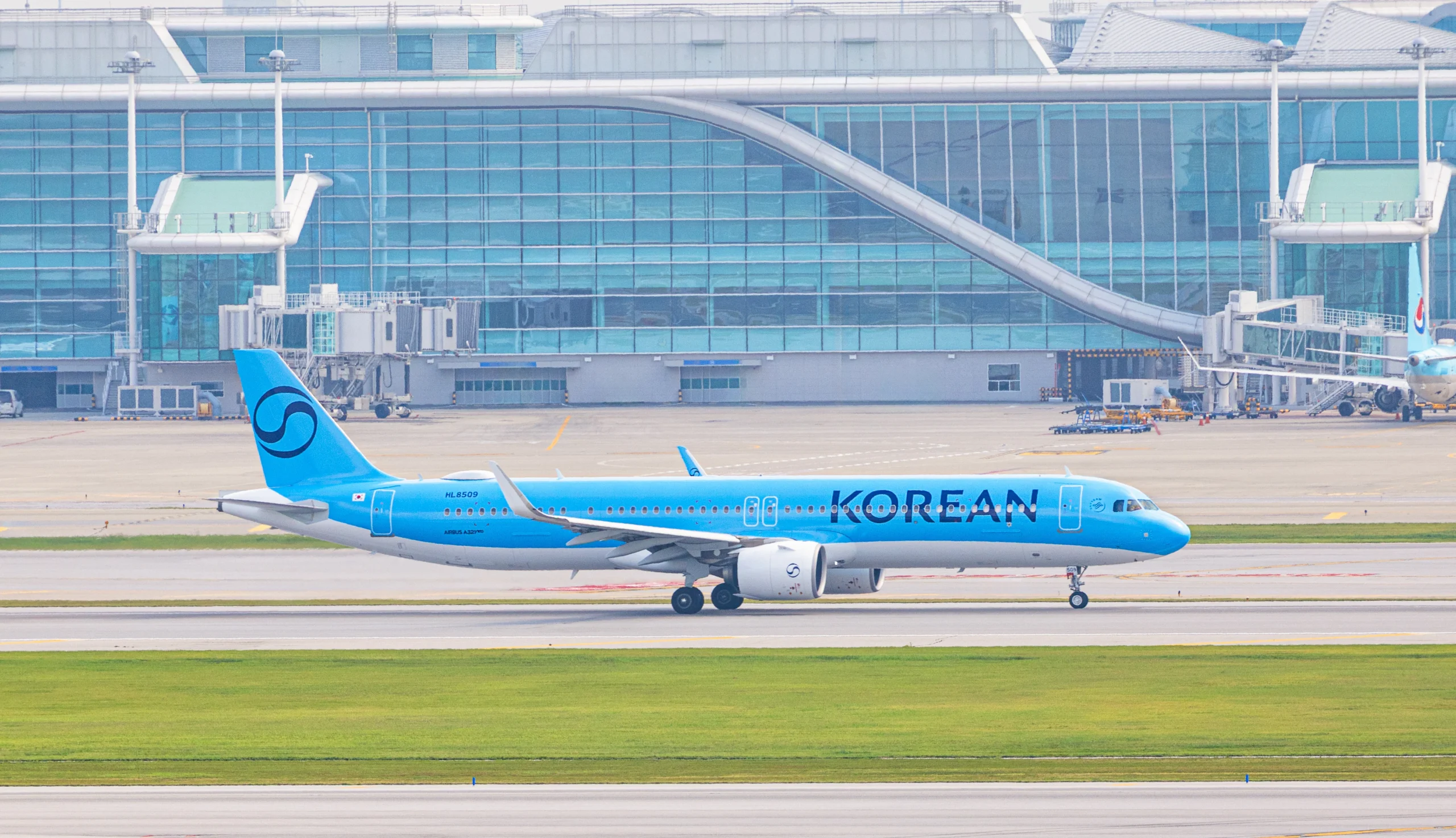
Korean Air is set to enhance its India network with a daily Delhi-Seoul service, effective 27 October 2026. The move, part of the carrier's winter schedule, underscores the growing demand for air travel between India and South Korea, a corridor that has seen steady growth in both business and leisure traffic.
Schedule and aircraft
The daily flights will be operated with Boeing 787 Dreamliners, a fuel-efficient widebody that offers a comfortable cabin experience. Flight KE498 will depart Indira Gandhi International Airport (DEL) at 19:50, arriving at Seoul Incheon International Airport (ICN) at 06:05 the following day. The return leg, KE497, will leave Seoul at 12:45 and touch down in Delhi at 18:20 local time.
These timings are designed to facilitate convenient connections at Incheon, a major Asian hub, and to provide travelers with a full day in either city. The overnight eastbound departure allows passengers to maximize their time in Seoul, while the afternoon return from Incheon suits those heading to India for business or leisure.
Strategic importance
The frequency increase reflects the strengthening ties between the two countries, which have seen rising trade, investment, and tourism flows. Korean Air's decision to go daily on this route aligns with its broader strategy to expand its presence in South Asia, a region that has become a key growth area for many Asian carriers.
Industry observers note that the daily service will also benefit connecting passengers, particularly those traveling between India and North America via Seoul. Incheon has long been a gateway for trans-Pacific travel, and the added frequency provides more options for Indian travelers heading to the US and Canada.
The move comes as other carriers are also boosting India-East Asia connectivity. For instance, EVA Air is set to launch a nonstop Taipei-Delhi service in December 2026, adding to the competitive landscape. Korean Air's daily flights will give it a strong position in the Delhi-Seoul market, which has historically been served by a mix of direct and one-stop options.
Market context
India's aviation market has been expanding rapidly, with airlines adding capacity on both domestic and international routes. The Delhi-Seoul corridor is particularly important for corporate travel, given the presence of major Korean conglomerates in India and the growing number of Indian tech firms investing in South Korea.
Leisure travel is also on the rise, fueled by the popularity of Korean culture and tourism campaigns. The daily service will make it easier for travelers to plan trips, whether for short getaways or longer stays.
Korean Air's decision to use the Boeing 787 on this route is notable, as the aircraft offers a premium experience with lower operating costs. The airline has been modernizing its fleet, and the 787 is a key component of its long-haul strategy.
For travel agents and tour operators, the daily frequency opens up new packaging opportunities. They can now offer more flexible itineraries, combining Delhi and Seoul with other Asian destinations. The improved connectivity is also expected to boost MICE travel, as corporate groups will have more options for scheduling events and meetings.
In related news, Korean Air will also launch a Seoul-Melbourne nonstop service for winter 2026, indicating the airline's broader network expansion. Meanwhile, other carriers are adjusting their schedules, such as Thai Airways boosting Bangkok-Zurich to 11 weekly flights.
The daily Delhi-Seoul service is expected to be well-received by the travel trade, which has been calling for more capacity on this route. With the winter schedule set to begin on 27 October 2026, airlines and agents are already planning their offerings around the enhanced connectivity.