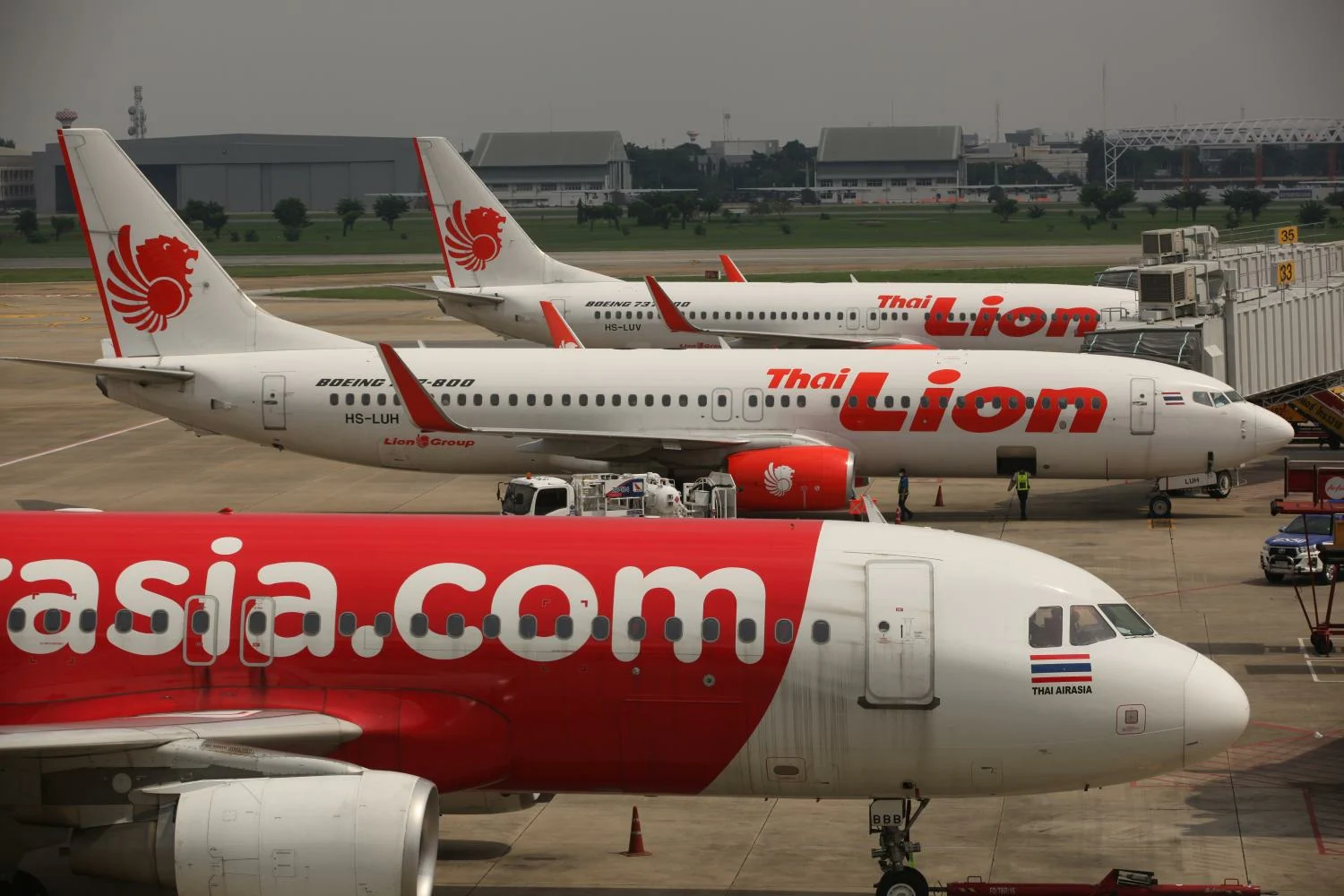
The global aviation sector is navigating a turbulent period, but the strain is most acute for low-cost carriers. Over the past six months, Spirit Airlines in the US, Royal Air Philippines, Magnicharters in Mexico, Slovenia's Alpavia, and Swedish charter operator H-Bird Aviation Services have all ceased operations or declared bankruptcy. These failures underscore a broader crisis: the no-frills model is being squeezed by rising fuel costs, supply chain disruptions, and a fundamental shift in traveler preferences toward premium experiences.
Industry forecasts from February predicted a bumpy year for budget airlines, even as commercial aviation overall was expected to post a record $41 billion profit. But at the International Air Transport Association (IATA) annual general meeting in Rio de Janeiro this month, the mood was more somber. IATA Director-General Willie Walsh noted, "Forward schedule data is showing a reduced offering in the coming months, indicating that airlines are balancing high fuel costs and weaker demand." The triple threat of elevated jet fuel prices, unresolved supply chain issues, and evolving passenger expectations is forcing low-cost carriers to rethink their strategies.
High-Speed Rail: A Growing Competitor
Domestic aviation, traditionally the backbone of budget airlines, faces increasing competition from high-speed rail networks. In China, the introduction of the Wuhan-Guangzhou high-speed railway led to a 45% drop in air travel between those two provinces. Experts estimate that high-speed rail could reduce domestic air travel in China by up to 28.2%. While rail is limited by geography and population density, its impact is significant in regions like Europe and East Asia. For archipelagic nations such as the Maldives, where luxury resorts are diversifying guest mixes amid GCC disruptions—as noted by Raffaele Solferino in our recent analysis—air travel remains essential, but the trend is clear: passengers increasingly prefer scenic, comfortable rail journeys over cramped budget flights.
This shift is not just about cost. Travelers, particularly in the premium segment, are prioritizing immersive experiences. Olivier Moies-Delval, CEO of SO/ Maldives, highlighted in a recent interview that demand for bespoke luxury and conscious travel is reshaping expectations across the industry. Budget carriers, once reliant on volume-driven margins, now face pressure to offer amenities like meals, more legroom, and enhanced service—features that erode their cost advantage.
The Premium Pivot
To survive, many low-cost carriers are pivoting toward a hybrid model. Airlines like JetBlue and AirAsia have introduced premium economy or business-class options, while others are aggressively pushing ancillary revenues. However, simply raising base fares is not a sustainable solution. As Walsh implied, the industry must adapt structurally. The shift to a full-service operational model may cost more upfront but could be the key to long-term viability. In an inflationary environment, sustaining a no-frills model becomes increasingly challenging, as every cost increase—from fuel to labor—directly impacts thin margins.
Meanwhile, the broader aviation landscape is also evolving. Middle Eastern carriers face their own headwinds, with projected losses of $4.3 billion in 2026 due to war, fuel costs, and lost transit traffic, as reported in our coverage. Yet, some airlines are finding opportunities: Etihad's new codeshare with TAROM links Abu Dhabi to six Romanian cities, expanding connectivity in Eastern Europe. And Saudia topped global punctuality rankings during the Hajj and Eid peak, demonstrating that operational excellence remains a competitive advantage.
The next six months will be critical for low-cost carriers. Their survival hinges on the direction of the global economy and their ability to adapt to a market that increasingly values comfort, reliability, and experience over price alone. As the industry gathers in Rio, the question is no longer whether budget airlines can weather the storm, but whether they can reinvent themselves before it's too late.