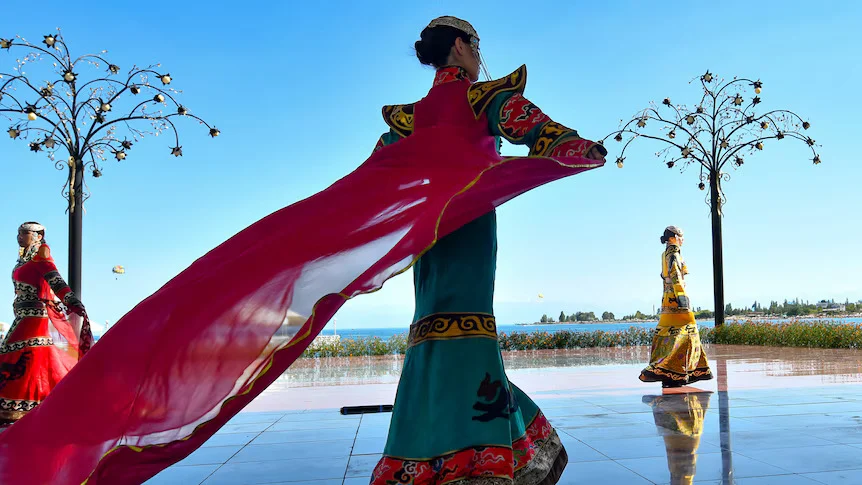
The fashion tourism sector continues to demonstrate resilience despite a K-shaped economic recovery that splits the market between surging ultra-luxury demand and value-driven heritage travel. High-net-worth individuals (HNWIs) remain largely insulated from cost-of-living pressures and are shifting their spending from conventional retail to immersive brand experiences. This has triggered a wave of hospitality crossovers, with major maisons expanding directly into hotels and beach clubs.
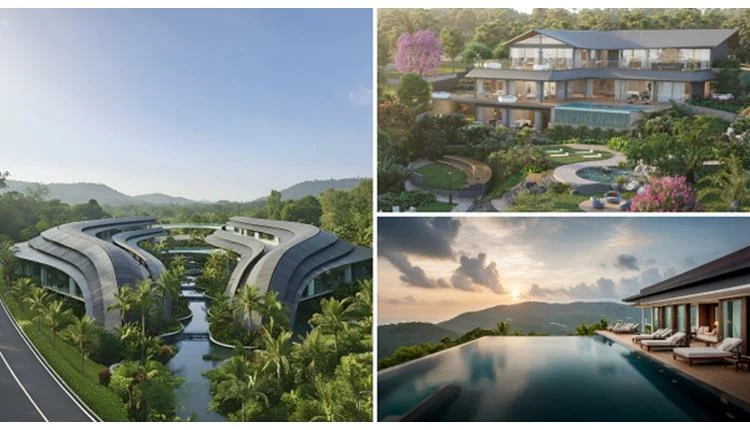
Bulgari and Christian Louboutin have already embedded themselves into the premium accommodation sector, creating environments where guests live the brand rather than just shop it. The trend is accelerating: expect more couture houses to follow suit, leveraging their design DNA to craft exclusive stays that rival traditional luxury hoteliers. For travel professionals, this means new partnership opportunities and a fresh competitive landscape in destinations from Milan to Marrakech.
Currency Arbitrage and Origin-Based Sourcing
Smart travellers are using exchange-rate strategy to justify overseas retail therapy. Japan’s depreciated yen has sparked between 25% and 30% growth in luxury tourism shopping, proving that currency fluctuations now directly influence itinerary planning. Airlines like Japan Airlines and All Nippon Airways have seen increased premium cabin demand on routes from North America and Europe to Tokyo and Osaka, while hotel groups such as Marriott and Hilton report higher occupancy during fashion weeks.
At the same time, travellers are seeking authenticity and direct connection, driving a shift away from generic global luxury toward origin-based sourcing where craftsmanship tells a story. According to UN Tourism, textiles, perfumes, and jewellery hold their highest perceived value when purchased at source. This has fueled cultural tourism in emerging fashion hubs like Rajasthan, India, and the Caribbean, where visitors invest in local craftsmanship as a form of cultural support and sustainable connection.
Vintage and Thrifting Tourism Goes Mainstream
The quest for sustainability and economic value has propelled secondhand and vintage fashion tourism into the mainstream. Travellers are building entire itineraries around archive hunting in cultural capitals like Tokyo, Paris, and London. These “thrifting tourists” scout high-quality, pre-loved garments that deliver historical uniqueness and superior financial value. Boutique tour operators who can curate bespoke vintage trails are finding a lucrative niche, particularly in cities with strong secondhand markets such as Shibuya and Le Marais.
This trend aligns with broader shifts in Nordic slow travel, where luxury travellers prioritize meaningful experiences over mass consumption. For travel agents and DMCs, packaging vintage shopping tours with local artisan workshops and heritage stays offers a compelling product for style-conscious clients.
Economic Impact on Destinations
For destinations, the business case for fashion tourism is undeniable. Local governments and tourism boards aggressively back high-profile fashion events as immediate economic drivers for hospitality. During Milan Fashion Week, international attendees spend an average of €1,600 per stay, with up to 39% of that total going directly into local hotels and restaurants. Similar patterns emerge during Paris Fashion Week and London Fashion Week, where hoteliers report significant rate premiums and extended length of stay.
Luxury hotel groups like Accor are capitalizing on this demand. Gilles Cretallaz’s return to Accor to lead luxury operations across East and Southeast Asia signals the region’s growing importance in fashion tourism, with cities like Singapore, Bangkok, and Shanghai hosting increasingly influential fashion weeks and pop-up retail events.
Fashion tourism is no longer just a retail metric—it is a powerful economic driver that influences airline route planning, hotel development, and destination marketing strategies. For travel professionals, understanding the nuances of this bifurcated market—ultra-luxury experiences on one end, value-driven heritage and vintage on the other—is essential to capturing share in a sector that continues to grow despite broader economic headwinds.