Luxury hospitality is entering a new phase where tradition and technology converge to create more personalized, immersive guest experiences. Across Italy and East Africa, properties are investing in everything from agricultural tourism to biomechanical testing, signaling a shift toward experiential and wellness-driven stays.
Agri-luxury in Emilia-Romagna
At Palazzo di Varignana, set in the rolling hills of Emilia-Romagna, the estate's 650-hectare olive grove—the largest in the region—has become a centerpiece of its guest offering. The property has adopted mechanized harvesting and innovative olive varieties to boost yield and quality, and now invites guests to tour the groves and learn about modern cultivation. Extra virgin olive oil produced on-site is also integrated into the resort's health and wellness programs, from cooking classes to spa treatments.
“We want guests to understand the heritage and the innovation behind our olive oil,” said a spokesperson for the estate. “It’s not just a product; it’s an experience that connects them to the land.”
Data-driven wellness at Palazzo Fiuggi
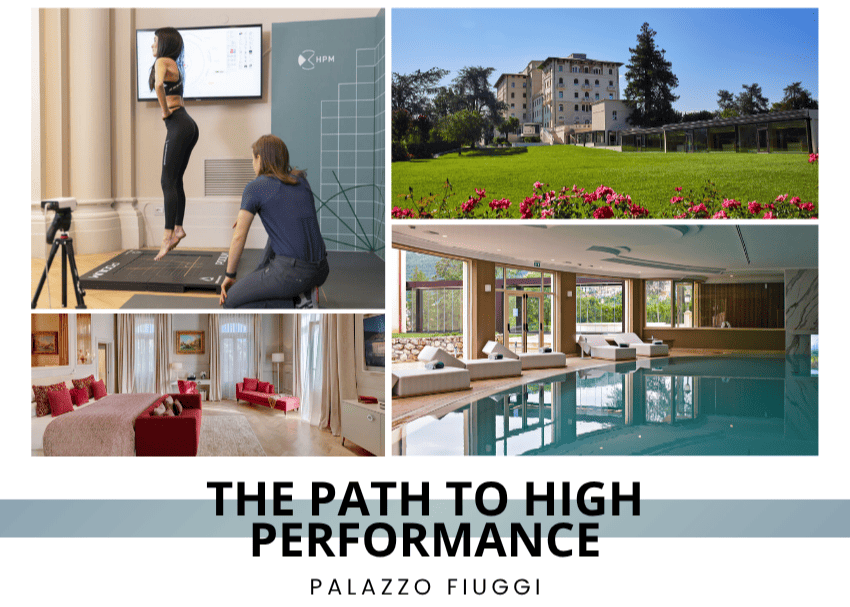
Further south, Palazzo Fiuggi, a medical wellness retreat in Lazio, is leveraging scientific research to tailor programs for regeneration and longevity. Its High Performance Method (HPM) combines athletic training with functional recovery, using a comprehensive biomechanical test to assess each guest's physical capabilities. This data guides personalized wellness journeys, attracting high-performance athletes and health-conscious travelers alike.
The method reflects a broader trend in luxury travel where wellness is no longer just about spa treatments but about measurable outcomes. “We are moving from pampering to performance,” said a resort representative. “Our guests want to see results.”
Community and sustainability at Elewana
In East Africa, Elewana Collection is embedding community mindfulness into its luxury safari and beach properties. A partnership with French watchmaker Sartory Billard and Shanga, a social enterprise that employs people with disabilities in Arusha, Tanzania, has produced a limited-edition timepiece series called “Time, Transformed.” Proceeds support Shanga's artisan skills development program, which teaches jewelry-making and other crafts.
“This collaboration is about more than a product; it’s about creating lasting impact,” said an Elewana spokesperson. “Our guests appreciate that their stay contributes to the local community.”
Boutique charm and tech-forward resorts
At Vocabolo Moscatelli, a 12-room boutique hotel in Umbria, the focus is on preserving the historic structure's original details while upgrading amenities. The recently renovated Spa Suite features a private garden, a wood-fired jacuzzi, and a glasshouse, offering a secluded retreat within the property.
Meanwhile, Forte Village on Sardinia's southern coast continues to host high-profile events, including Dolce & Gabbana's Alta Sartoria men's couture show. The resort is also developing an app to streamline bookings for its restaurants, spa, and sports facilities, responding to guests' desire for seamless digital experiences.
In Venice, Hotel L’Orologio blends classical design with modern mixology at its Santa Cocktail Club, where cocktails are inspired by the city's rich cultural heritage. The hotel's approach underscores a broader industry move toward experiential offerings that reflect local identity.
These innovations come as luxury travelers increasingly seek authenticity, wellness, and social responsibility. Properties that can deliver on these fronts—while leveraging technology to enhance convenience—are likely to stand out in a competitive market. For more on how luxury brands are adapting, see our coverage of Gen Z's influence on luxury hospitality and Marriott's cocktail series in Greater China.