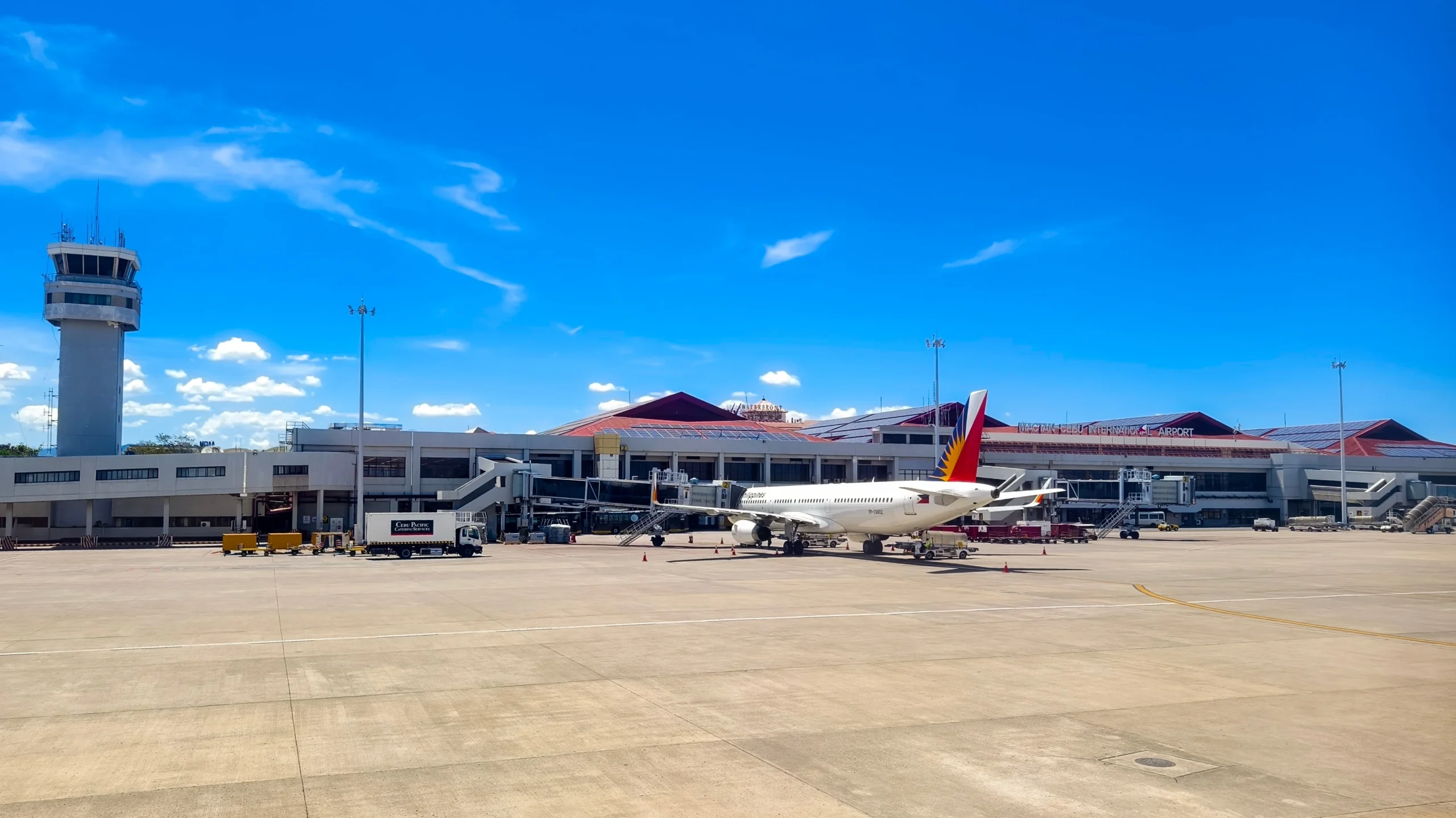
Mactan-Cebu International Airport (MCIA), operated by Aboitiz InfraCapital Cebu Airport Corporation, has rolled out a new initiative to position Cebu as the primary gateway for multi-island travel across the Visayas. The Discover the Visayas, #FlyViaCebu campaign, developed in partnership with the Department of Tourism and the Visayas Islands Tourism Alliance, aims to leverage the airport's extensive domestic network to drive tourism growth in the region.
The campaign spotlights the diverse attractions of the Visayas, from the beaches of Boracay and Siquijor to the heritage sites of Cebu and Bohol, as well as culinary experiences in Guimaras and the natural wonders of Biliran. By promoting these destinations collectively, MCIA hopes to encourage travelers to explore multiple islands in a single trip, boosting visitor numbers and economic impact across the region.
Connectivity and convenience
At the heart of the initiative is MCIA's CEB Connects airport transfer programme, which offers minimum connection times of just 35 minutes for domestic-to-domestic transfers and 60 minutes for international-to-domestic connections. This efficiency is designed to make Cebu a seamless transit point for travelers heading to popular destinations such as Busuanga, Siargao, and Puerto Princesa, as well as the featured Visayas islands.
With 28 domestic routes, MCIA provides one of the most extensive domestic networks in the Philippines, connecting the Visayas to major hubs like Manila and Davao, as well as international gateways. The airport's strategic location in the central Philippines makes it an ideal launchpad for island-hopping itineraries, a growing trend among both leisure and business travelers.
Ricia Montejo, General Manager of Aboitiz InfraCapital Cebu Airport Corporation, emphasized the importance of convenience in today's travel landscape: “Today’s travelers are looking for journeys that are convenient, flexible, and allow them to experience more destinations in one trip.” This sentiment is echoed in the campaign's alignment with the Department of Tourism's Discover More to Love initiative, which encourages travelers to explore beyond traditional hotspots.
The campaign also underscores the broader potential of the Visayas as a tourism powerhouse. According to recent data, the region has seen a steady increase in tourist arrivals, driven by improved air connectivity and growing international interest in the Philippines' lesser-known islands. MCIA's push to position Cebu as a hub is expected to further accelerate this trend, benefiting local communities and businesses across the region.
For travel professionals, the campaign signals a renewed focus on multi-destination itineraries, which can drive longer stays and higher spending. Tour operators and travel agents can leverage MCIA's connectivity to craft unique packages that combine the cultural richness of Cebu with the natural beauty of neighboring islands, offering clients a more comprehensive Philippine experience.
As the Philippines continues to compete with regional rivals for tourism dollars, initiatives like #FlyViaCebu are crucial. The country has faced challenges in recent years, including airport congestion and political uncertainties, as highlighted in a recent analysis of the Philippines' tourism competitiveness. However, targeted efforts to improve connectivity and promote regional destinations could help turn the tide.
MCIA's campaign is also a model for other airports in the region, demonstrating how infrastructure investments and strategic partnerships can drive tourism growth. By working closely with the Department of Tourism and local tourism boards, the airport is not only enhancing its own appeal but also contributing to the sustainable development of the Visayas as a whole.
As the campaign rolls out, MCIA plans to engage with travel trade partners, airlines, and online travel agencies to promote the new itineraries. The airport is also investing in digital marketing and social media campaigns to reach a global audience, highlighting the ease of connecting through Cebu.
For airlines, the increased focus on Cebu as a hub could lead to new route opportunities and higher load factors on existing services. Cebu Pacific, the largest carrier at MCIA, is well-positioned to benefit, as are international airlines that serve the airport from major Asian cities like Singapore, Hong Kong, and Tokyo.
In the broader context of Philippine tourism, the campaign aligns with the government's goal of attracting 12 million international visitors by 2026. By promoting multi-island travel, MCIA is helping to distribute tourist flows more evenly across the country, reducing pressure on overcrowded destinations like Boracay and Palawan.
The Discover the Visayas, #FlyViaCebu campaign is a timely and strategic move for MCIA, as it seeks to solidify its position as the gateway to the Visayas. With its modern facilities, efficient transfer services, and extensive route network, the airport is well-equipped to support the growing demand for multi-destination travel in the Philippines.