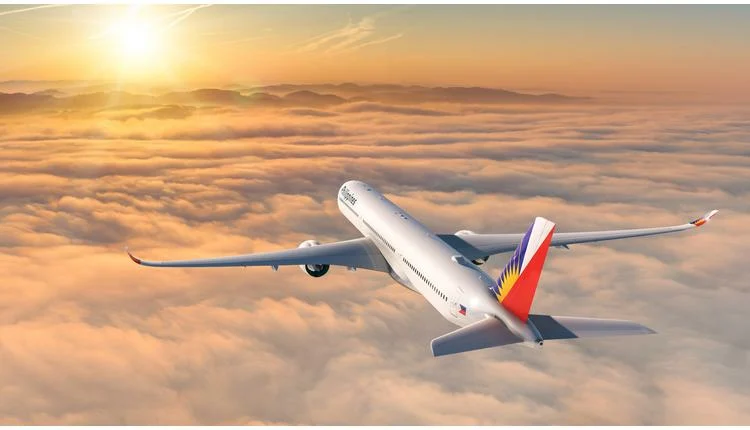
Malaysia Airlines has become the latest carrier to integrate the International Air Transport Association's (IATA) Turbulence Aware platform, a move that equips its flight crews with real-time turbulence data contributed by airlines worldwide. The programme is designed to improve situational awareness and enable pilots to anticipate Clear Air Turbulence (CAT), a phenomenon that is notoriously difficult to detect with onboard radar alone.
The adoption comes as global weather patterns become increasingly erratic, making timely operational intelligence a critical component of modern flight safety. Aida Salfaraz Ahmad Fadzil, Chief Operating Officer of Malaysia Airlines, stated: "At Malaysia Airlines, safety underpins every decision we make. Our adoption of IATA's Turbulence Aware programme is another step in strengthening our operational capabilities."
Enhancing Safety Across the Network
The Turbulence Aware platform aggregates anonymised turbulence reports from participating airlines and delivers them in near-real time to flight decks. This allows pilots to adjust altitude or route proactively, reducing the risk of injury to passengers and crew while also minimising fuel burn from unplanned diversions. Frederic Leger, Senior Vice President of Products & Services at IATA, noted: "Timely data helps airlines mitigate the impact of turbulence, improving safety and delivering a more comfortable flight to passengers."
Malaysia Airlines' participation is expected to significantly improve turbulence data coverage across key regions, including Asia, Europe, and Oceania. The carrier operates an extensive network spanning destinations such as Kuala Lumpur–London Heathrow, Kuala Lumpur–Sydney, and Kuala Lumpur–Tokyo Narita, among others. By contributing its own flight data, the airline helps create a richer, more accurate picture of atmospheric conditions for the entire industry.
The announcement complements Malaysia Airlines' recent recognition as a Seven Star PLUS safety-rated airline by AirlineRatings.com, an accolade that highlights its cabin safety standards and overall safety culture. The airline has also invested in modernising its fleet, including the introduction of Airbus A330-900neos and Boeing 737-8s, which are equipped with advanced avionics that can further leverage turbulence data.
Industry observers note that the adoption of Turbulence Aware aligns with broader trends in aviation technology, where data sharing and predictive analytics are becoming standard practice. Similar initiatives have been embraced by carriers such as Singapore Airlines, Qantas, and United Airlines, all of which participate in the programme. The platform is also integrated with major flight planning systems used by airlines and GDS providers like Amadeus and Sabre, facilitating seamless operational workflows.
For travel professionals, the implications extend beyond safety. Reduced turbulence-related disruptions mean fewer schedule delays, lower maintenance costs from structural stress, and improved passenger satisfaction — factors that directly affect an airline's bottom line and brand reputation. As climate change continues to intensify atmospheric instability, tools like Turbulence Aware are likely to become indispensable for carriers operating in turbulent-prone regions.
Malaysia Airlines' commitment to data-driven safety also reinforces its position in the competitive Asia-Pacific market, where carriers are vying for premium travellers and corporate contracts. The airline's focus on operational excellence, combined with its recent accolades, positions it well against rivals like Cathay Pacific and Thai Airways.
In a related development, the broader travel industry is grappling with rising utility costs driven by AI data centres, which affect hotels, airlines, and destinations. However, investments in operational efficiency — such as turbulence avoidance — can help offset some of these pressures by reducing fuel consumption and unscheduled maintenance.
With its extensive network and dedication to industry collaboration, Malaysia Airlines continues to demonstrate that safety and technology go hand in hand. The adoption of IATA's Turbulence Aware programme is a clear signal that the carrier is prioritising both passenger well-being and operational resilience in an era of increasing weather volatility.