Malaysia's hospitality industry has significant untapped potential, but simply attracting more visitors won't be enough to unlock its next growth phase. With traveller expectations evolving and regional competition intensifying, hotels and tourism businesses must sharpen their offerings and deliver experiences that give visitors compelling reasons to choose Malaysia over neighbouring destinations.
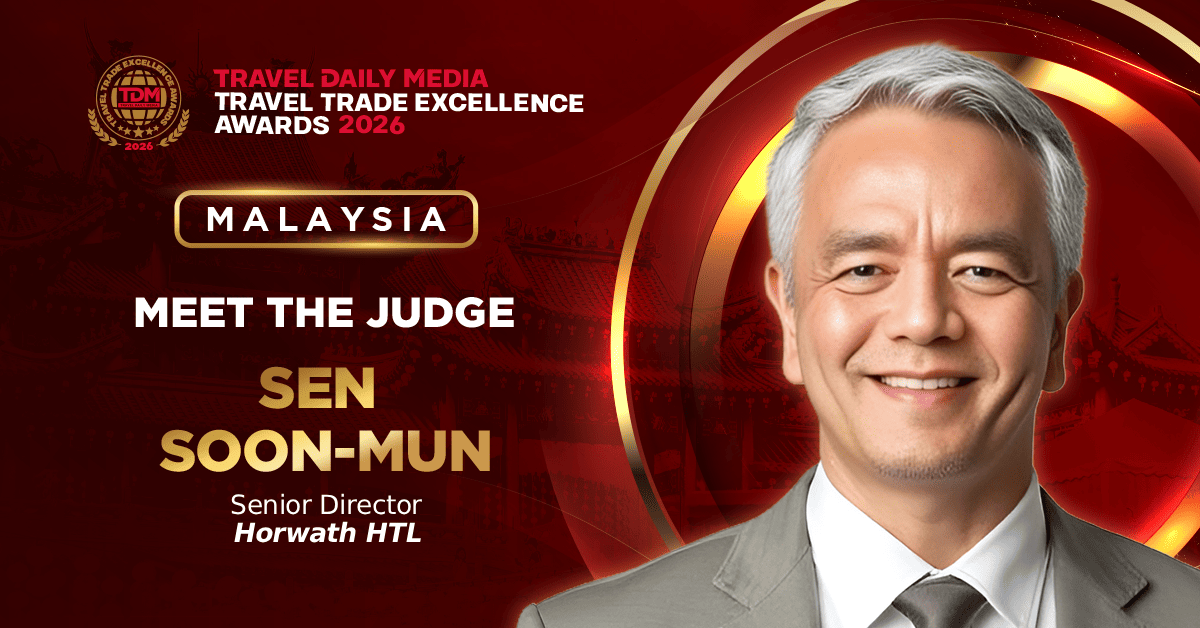
Sen Soon Mun, Director at Horwath HTL Kuala Lumpur, believes the country's future lies in wellness tourism, forest-based resorts, and the thoughtful integration of technology. His advisory work spans hotel development and investment, bringing a commercial lens to the shifts reshaping Malaysia's tourism landscape.
Wellness: a glaring gap
Soon Mun points to wellness as the most underdeveloped segment. "Thailand and Indonesia, Malaysia's immediate neighbours, are well known for their spas and wellness offerings, whilst Malaysia still lags far behind," he notes. Even Singapore is investing heavily in this space, with a large-scale social wellbeing infrastructure planned on a 4-hectare site next to Gardens by the Bay and Marina Barrage. Slated to open in 2030, it will feature more than 20 pools and water features, as well as over 70 wellness treatment rooms.
Malaysia, by contrast, has yet to build a comparable wellness ecosystem. Soon Mun urges businesses to prepare now for this emerging opportunity, particularly by combining nature with wellness. "Malaysia is known for its rainforests, and the success of The Datai in Langkawi has proven that this development opportunity should be further explored," he says.
Service standards: the competitive edge
While Malaysia is renowned for its hospitality, Soon Mun argues that service quality remains below par. "Generally, the service level in Malaysia is not at a level that is acceptable," he states. "Elevating service quality to a level comparable to Thailand and Indonesia would place Malaysia in a better stead in a region that is becoming highly competitive."
He also calls on hotel owners to instil greater pride in their properties through higher maintenance standards. This, he believes, would enhance the overall guest experience and strengthen Malaysia's position as a preferred destination.
Technology: embrace AI, but keep the human touch
On the technology front, Soon Mun is unequivocal: "AI is unstoppable." He predicts that hotels will have to adopt and embrace AI in their operations, and that hotel management companies will increasingly charge mandatory technology fees, as some already do. However, he cautions that AI should not replace human interaction. "The human factor still needs to be present in service delivery," he emphasises.
Interestingly, he expects budget and midscale hotels to adopt AI more rapidly than luxury properties, where personalised human service remains a key differentiator.
Looking ahead: sustainability and wellness in awards
Soon Mun returns as a judge for the TDM Travel Trade Excellence Awards 2026 – Malaysia. He hopes to see sustainability initiatives and a stronger focus on wellness among this year's entries. His judging criteria reflect the broader priorities he advocates for the industry.
His views align with other industry voices. For instance, Eric Levy has argued that Malaysia must shift from arrivals to visitor value, while Cornerstone's Kittler sees Malaysia's edge in people, purpose, and smart tech. These perspectives underscore a growing consensus that Malaysia's hospitality sector must evolve beyond volume.
Recent developments in the region illustrate the direction. Four Seasons Langkawi has added three wellness immersion programs, and Archipelago Hotels is rolling out wellness amenities across more than 70 properties. These initiatives signal a broader industry shift toward wellness that Malaysia cannot afford to ignore.
As Malaysia competes with established destinations like Thailand, Indonesia, and Singapore, the path forward is clear: raise service standards, invest in wellness and nature-based offerings, and adopt technology responsibly. Only then can Malaysia truly stand out in the region's crowded tourism market.