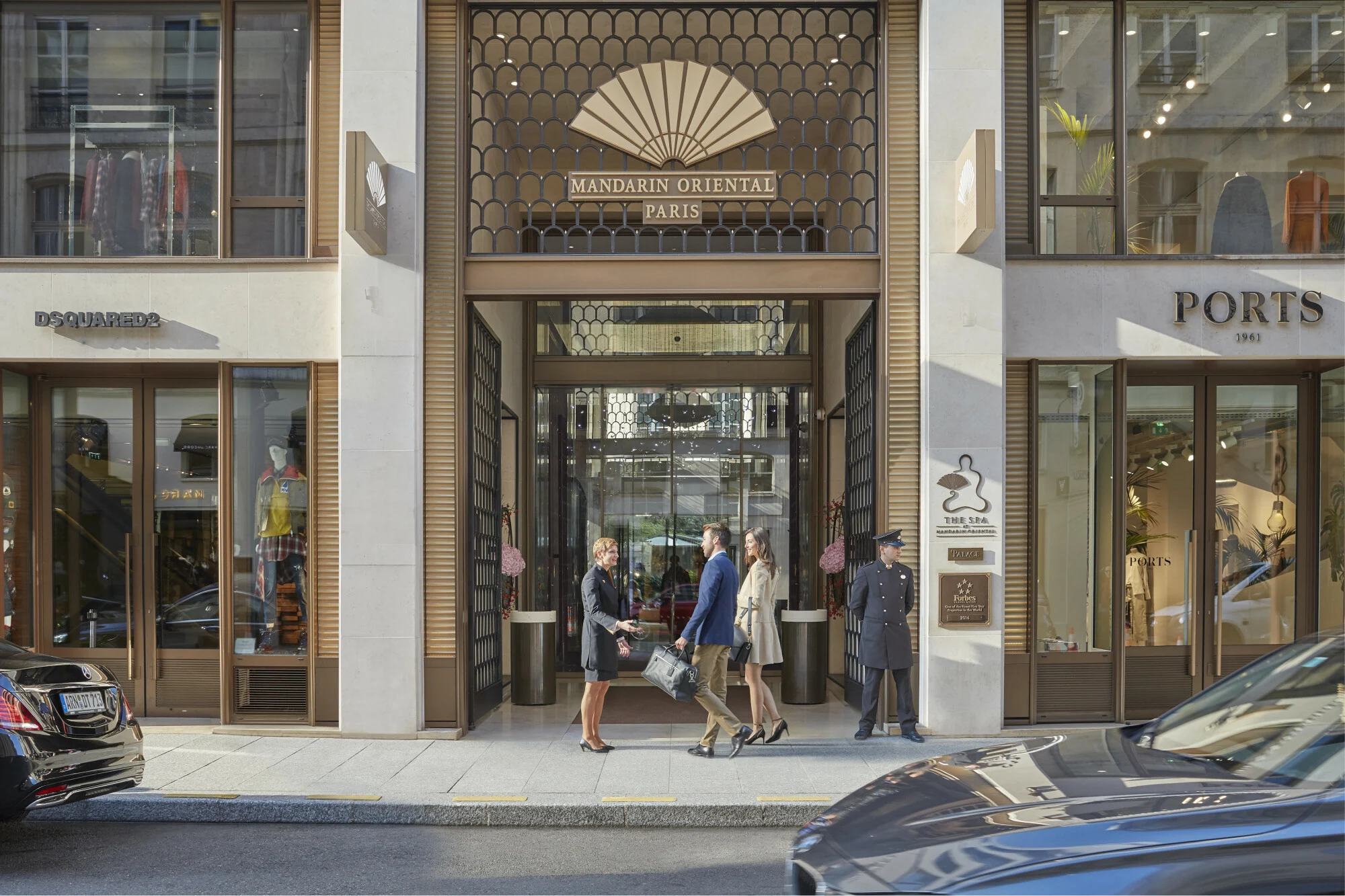
Mandarin Oriental has once again been crowned the world's leading luxury hotel brand, securing the top position in Luxury Travel Intelligence's (LTI) 2026 rankings for the fourth year running. The Hong Kong-based group, known for its iconic fan logo and properties from Bangkok to Paris, scored 81.1% in the annual assessment, edging out rivals Oetker Collection and Bulgari Hotels & Resorts.
LTI's evaluation process is rigorous, scrutinizing 134 touchpoints that span brand ethos, values, management quality, and the overall guest experience. This year, the ranking expanded from 15 to 20 brands, with a minimum of eight properties required for qualification. The inclusion of new entrants such as Airelles, COMO, Jumeirah, Ritz-Carlton, and Banyan Tree reflects the dynamic shifts occurring across the luxury hospitality sector.
Data breach dents Aman's standing
The most dramatic movement in this year's list was Aman's slide of seven places, a direct consequence of a significant client data breach that eroded trust among its affluent clientele. The incident underscores the growing importance of data security in luxury travel, where discretion and privacy are paramount. Aman, which operates ultra-luxury resorts in destinations like Amangiri in Utah and Amansara in Siem Reap, will need to rebuild confidence among its high-net-worth guests.
Meanwhile, Capella emerged as the highest new entry, a testament to the brand's rapid ascent in the ultra-luxury segment. With properties such as Capella Bangkok and Capella Ubud, the brand has carved a niche for itself by blending contemporary design with immersive local experiences.
Climbers and new faces
Other notable movements include Dorchester Collection and Belmond, which climbed to sixth and seventh places, respectively. Dorchester Collection, which manages iconic hotels like The Dorchester in London and Hotel Plaza Athénée in Paris, continues to leverage its heritage and service excellence. Belmond, now part of LVMH, has been expanding its portfolio of iconic properties, from the Venice Simplon-Orient-Express to Copacabana Palace in Rio de Janeiro.
The expanded list also welcomed Airelles, COMO, Jumeirah, Ritz-Carlton, and Banyan Tree, each bringing distinct strengths. Ritz-Carlton, with its legendary service standards, and Banyan Tree, known for its wellness-focused resorts, are familiar names to luxury travelers. Airelles, a French collection of palace hotels, and COMO, with its holistic approach, add diversity to the rankings.
LTI, a members-only organization, emphasizes its commitment to unbiased and detailed reporting for affluent travelers. The methodology ensures that each year's results are independent, capturing the current landscape of the luxury hotel industry. As the sector evolves, these rankings provide valuable insights into brand performance and emerging trends, guiding travelers in making informed choices.
The results come amid a broader reshaping of luxury travel, with wellness and longevity experiences gaining traction across Asia. As noted in Asia's luxury wellness travel shift, properties are increasingly integrating holistic offerings to attract discerning guests. Mandarin Oriental's consistent performance suggests it has successfully balanced tradition with innovation, a formula that continues to resonate with the world's most discerning travelers.
For hoteliers and travel advisors, the rankings serve as a benchmark for excellence and a reminder of the competitive pressures in the luxury segment. With new entrants and shifting positions, the landscape is more dynamic than ever. As LTI's data shows, brand reputation can be fragile—Aman's fall is a cautionary tale for the industry.
In related news, Hilton has been bolstering its luxury footprint in Asia Pacific with new general manager appointments, signaling continued investment in the region. Meanwhile, Marriott Bonvoy's partnership with Samsung Card in Korea highlights the growing intersection of travel and financial services, a trend that luxury brands are watching closely.
The 2026 LTI rankings underscore that while Mandarin Oriental remains the benchmark, the luxury hotel sector is far from static. Brands that prioritize data security, guest experience, and innovation will be best positioned to climb the ranks in the years ahead.