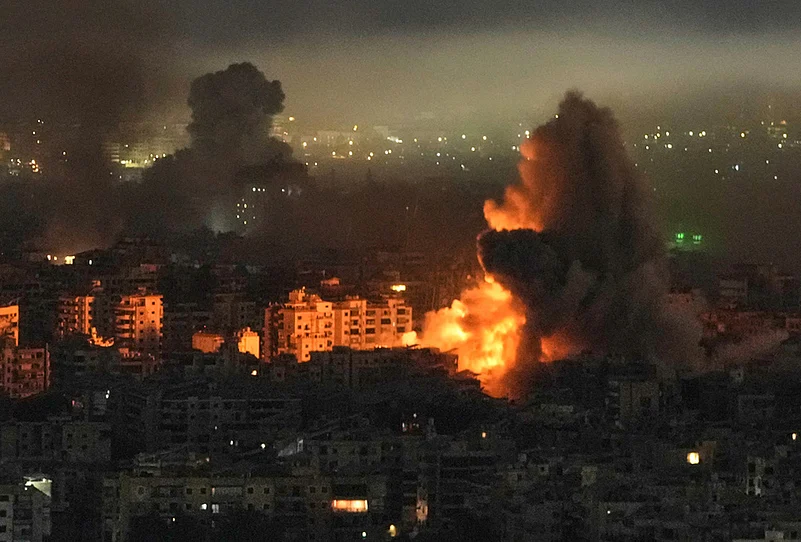
The prolonged Middle East conflict is exacting a heavy toll on global tourism, with the World Travel & Tourism Council (WTTC) estimating losses of US$600 million per day since late February. The escalation began with the US strike on Iran on 28 February, compounding the ongoing strife that started in October 2023.
According to the WTTC's 11 March report, the region's pivotal role in global travel means any disruption sends shockwaves through the entire ecosystem—from airports and airlines to hotels, car rental firms, and cruise lines. West Asia accounts for 5% of all international arrivals and 14% of global transit traffic, making its air corridors indispensable.
Fragile networks exposed
A World Economic Forum report released on 29 September underscores that airspace closures and rising jet fuel prices are just the surface of a deeper vulnerability. The conflict has revealed how much global mobility depends on the region's access corridors, which are critical to an industry that contributed US$11.6 trillion to global GDP and supported 357 million jobs last year.
“Tourism also supports activity across transport, retail, finance, culture, food systems, infrastructure and local services. Yet, it is still too often treated as a stand-alone sector rather than as an ecosystem with infrastructure-like consequences,” the WEF report notes.
The ripple effects are visible across hospitality, with restaurants facing closures and input cost inflation, even as domestic travel helps sustain occupancy levels, according to a LinkedIn News report from May.
Beyond the immediate conflict zone
Even nations not directly involved are feeling the pinch. The WEF report highlights that diplomatic tensions can deter travel without any physical threat. For instance, Canadian visits to the US fell by roughly 25% in 2025, costing the US economy more than US$8 billion in visitor spending. Tourism Economics estimates the opportunity cost at approximately US$25 billion relative to expected growth.
Meanwhile, UN Tourism reported on 5 October that global arrivals still grew 0.4% in the first half of the year, though momentum slowed. After a 2% rise in Q1, arrivals slipped 1% in Q2, partly due to the Easter calendar shift and the conflict's wider consequences. The forecast for year-end growth has been trimmed to 1–2%, down from the 3–4% projected in January, with oil prices and inflation as key variables.
For travel professionals, the message is clear: resilience planning must account for geopolitical shocks. As WTTC's Malta summit highlighted, growth remains possible, but diversification of routes and markets is essential. Airlines like Emirates are expanding into new markets, such as the daily Dubai-Helsinki service, while hotel groups like Atlantis The Royal continue to climb rankings, yet the industry's dependence on stable airspace remains a critical vulnerability.