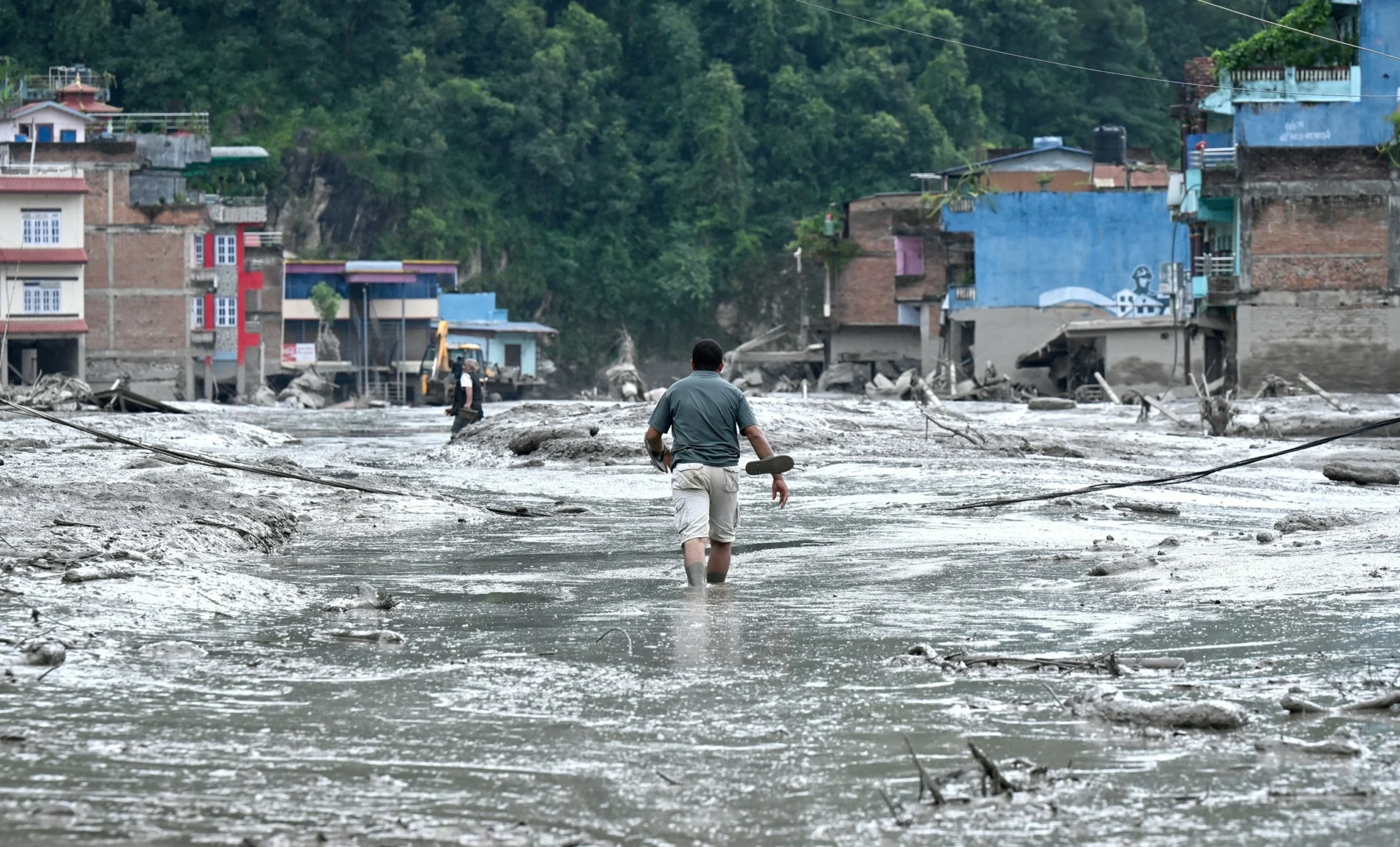
The catastrophic glacial floods that struck northern Nepal in late August have delivered an estimated US$390 million blow to the country's tourism sector, just as the peak autumn trekking and pilgrimage season was about to begin. The disaster, triggered by a massive glacial collapse and cascading landslides, has left at least 1,386 people dead and caused widespread destruction across key mountain districts.
Infrastructure damage and economic fallout
Preliminary assessments put direct structural damage at over US$142.5 million, with at least 142 hotels heavily damaged or destroyed, particularly in the Rasuwa, Nuwakot, Dhading, and Gorkha districts. Critical transit arteries linking Kathmandu to the Chinese border, along with dozens of bridges, have been swept away, crippling domestic logistics and halting overland tourist travel. High-value adventure destinations in narrow mountain gorges have ground to a halt, severely disrupting the Kailash Mansarovar pilgrimage and border trekking corridors.
Tourism accounts for nearly eight percent of Nepal's GDP and sustains millions of households, so the economic contagion risk is significant. For seasonal workers living paycheck-to-paycheck, widespread cancellations threaten to push even unaffected regions into severe hardship. The Hotel Association Nepal is actively spreading the message that key destinations including the Annapurna circuit, Everest Base Camp, and the Kathmandu Valley remain safe and fully operational.
Industry leaders and government officials insist that recovery is achievable through targeted short-term preservation and forward-thinking, climate-resilient rebuilding. Travelers are being encouraged to modify itineraries rather than cancel outright, as continued support for local guides, family-owned lodges, and regional artisans can channel vital capital directly into the local economy, giving the state the financial leeway to fund relief in devastated zones.
A wake-up call for structural reform
The disaster serves as a stark wake-up call for structural reform. The Nepal Mountaineering Association has urged the implementation of a climate-resilient framework that avoids placing tourist properties in vulnerable flood paths. Priority must also be given to sophisticated early-warning sensors and tracking systems for foreign trekkers to mitigate cascading hazards.
Building long-term resilience will depend on diversifying product offerings beyond volatile mountain gorges toward community-based eco-tourism and cultural circuits. This aligns with broader regional trends, such as the recent opening of a Centara resort in Pokhara, which signals continued investor confidence in Nepal's mountain tourism potential.
For now, the immediate priority is countering the perception that Nepal is closed for business. The government and private sector are working together to reassure international partners and travelers that the country remains open, with many trekking routes unaffected. However, the road to recovery will require time and concerted effort, as well as a commitment to building back better.
As the industry looks ahead, the lessons from this disaster could reshape how Nepal approaches tourism development, with a greater emphasis on sustainability and resilience. The challenge is not just to rebuild infrastructure, but to create a tourism model that can withstand the increasing frequency of climate-related shocks.