ONYX Hospitality Group is strengthening its cultural tourism push by directing travellers to two of Southeast Asia's most heritage-rich destinations: Phuket in Thailand and George Town in Penang, Malaysia. The Bangkok-based hotel operator is weaving local traditions, historic neighbourhoods and culinary experiences into the guest journey at its Amari and OZO properties.
In Phuket, the Jui Tui Shrine serves as a gateway to the island's Chinese heritage and plays a central role during the annual Vegetarian Festival, a nine-day Taoist observance marked by processions and ritual acts. Nearby, Phuket Old Town's Sino-Portuguese shophouses and mansions reflect the enduring influence of the Chinese community, a story further documented at the Phuket Thai Hua Museum. Travellers can also sample Hokkien noodles, a local specialty that underscores the island's culinary lineage.
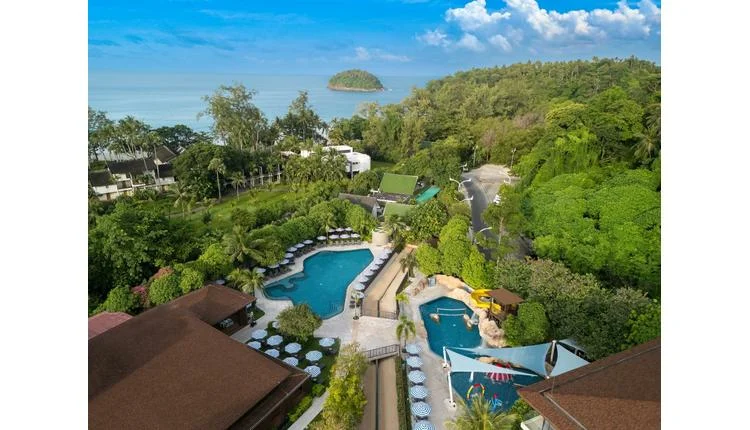
For accommodation, Amari Phuket offers a contemporary Thai design aesthetic with a full-service spa and multiple dining venues, including The TreePods and La Gritta. The resort positions itself as a relaxing base from which to explore the island's cultural layers.
Across the Andaman Sea, George Town showcases Penang's multicultural fabric. The Goddess of Mercy Temple and the Street of Harmony—a stretch where Chinese, Indian, and Muslim places of worship coexist—highlight the city's religious diversity. Visitors can also explore the Khoo Kongsi clan house and Armenian Street, known for their historic architecture and vibrant street art.
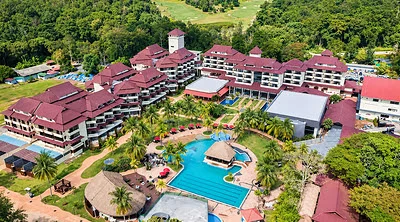
OZO George Town Penang provides a convenient base for exploring the city, with amenities such as the SPLASH swimming pool and EAT restaurant, which offers panoramic city views. The hotel's central location makes it easy for guests to walk to many of the heritage sites.
These initiatives align with ONYX's "More of What You Love" philosophy, which encourages guests to engage with local traditions and landmarks. The group's strategy reflects a broader industry trend where hoteliers are leveraging cultural assets to differentiate their offerings. As luxury brands like Aman use UNESCO proximity to create exclusive cultural access, ONYX is applying a similar logic at the midscale and upper-midscale levels.
Cultural tourism as a growth driver
Cultural tourism is increasingly a key driver for destination marketing, particularly in Asia-Pacific. According to the UN Tourism, cultural experiences are among the top motivators for international travellers, and destinations like Phuket and George Town are well-positioned to capitalise. George Town's UNESCO World Heritage status, granted in 2008, has been a catalyst for heritage-led regeneration and visitor growth.
For travel agents and tour operators, ONYX's focus on cultural immersion offers a clear selling point. The group's properties are not just places to stay but gateways to authentic local experiences, which can be packaged into itineraries that appeal to culturally curious travellers. This approach also supports longer stays and higher guest satisfaction, as travellers seek meaningful connections with destinations.
ONYX's move comes at a time when hotel groups are trimming corporate ranks while investing in frontline experiences, underscoring the importance of guest-facing initiatives. By promoting cultural tourism, ONYX is betting on the enduring appeal of heritage and authenticity in a competitive hospitality landscape.
As the group continues to expand its portfolio across Asia, its commitment to cultural storytelling will likely remain a cornerstone of its brand identity. For travel professionals, the message is clear: ONYX is not just selling rooms but curating journeys that celebrate the unique character of each destination.