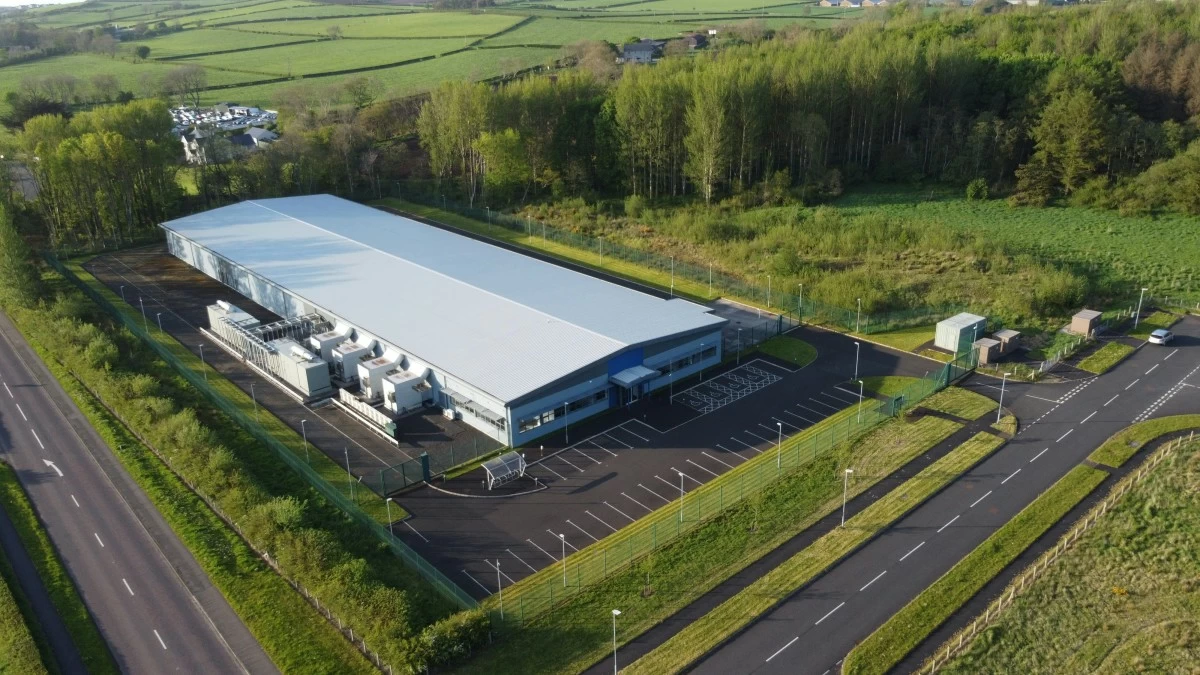
The Pax Silica initiative, a US-led project to build a 4,000-acre artificial intelligence and semiconductor hub in New Clark City, is being touted as a major economic boost for the Philippines. However, travel industry stakeholders are increasingly worried that this industrial expansion could undermine the country's tourism appeal, which relies heavily on its natural beauty and cultural heritage.
Resource strain on Central Luzon
The hub's projected daily water consumption of up to 130 million litres to cool data centres and process minerals threatens to deplete watersheds across Central Luzon. This could lead to severe shortages for hotels, resorts, and other tourist facilities, impacting guest experience and operational viability.
Electricity demand is equally concerning, with estimates of around three gigawatts—roughly 16% of Luzon's grid capacity. This could trigger rolling blackouts and higher energy costs for hospitality businesses, squeezing margins and potentially deterring investment in the region's tourism infrastructure.
Environmental and community impact
To feed the semiconductor supply chain, expanded mining for nickel, copper, and cobalt is expected in Palawan, Zambales, and Nueva Vizcaya. This could damage forests and coastal ecosystems, while toxic waste generation risks contaminating pristine areas that attract eco-tourists.
Continuous industrial noise from server farms may disrupt wildlife, undermining nature trekking and bird-watching activities. The project also threatens to displace an estimated 20,000 residents, including indigenous Aeta communities, eroding the cultural fabric that supports community-based tourism.
Conversion of ancestral lands into a tech enclave could also curtail agritourism and farm-to-table travel, which have been growing segments in the region.
Geopolitical and market implications
The hub's alignment with US interests may deter inbound travel from mainland China, a key source market for Philippine tourism. Public protests and debates over foreign sovereignty could project instability, making leisure travellers wary of visiting.
Despite these challenges, the Philippines continues to invest in tourism infrastructure, such as the Bohol-Panglao Airport expansion, which has boosted Alona Beach's popularity. Airlines like Philippine Airlines are also adding capacity, indicating confidence in the sector's resilience.
Industry experts suggest that careful planning and mitigation measures are essential to balance industrial growth with tourism preservation. As one analyst noted, "The Philippines cannot afford to sacrifice its natural assets for short-term economic gains."
For travel professionals, the situation underscores the need to monitor resource availability and community relations in Central Luzon. Destinations that manage such pressures effectively can maintain their appeal, as seen in other regions that have balanced development with sustainability.
The Pax Silica project is still in early stages, and its full impact remains to be seen. However, the concerns raised highlight the delicate interplay between industrial ambition and tourism sustainability, a challenge many destinations face globally.