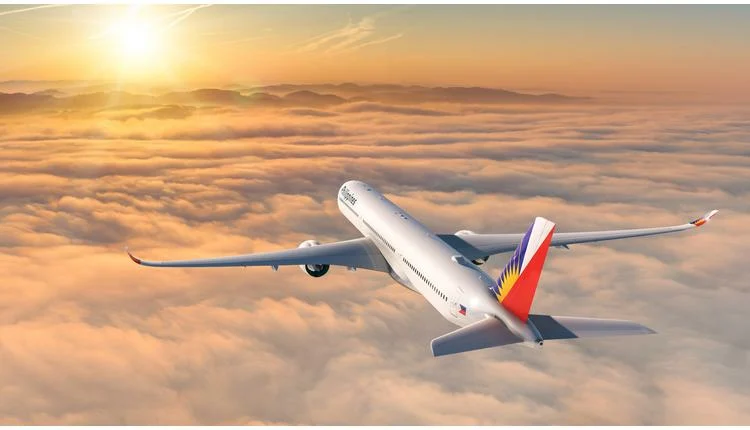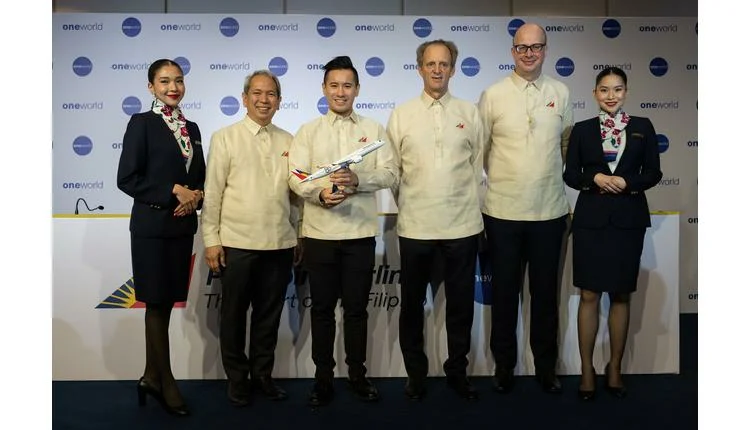
Philippine Airlines (PAL) has officially entered the oneworld alliance, marking a strategic milestone as it becomes the 16th member and only the second full carrier from Southeast Asia after Malaysia Airlines. The announcement was made during the International Air Transport Association (IATA) Annual General Meeting in Rio de Janeiro, Brazil, on 6 June 2026.
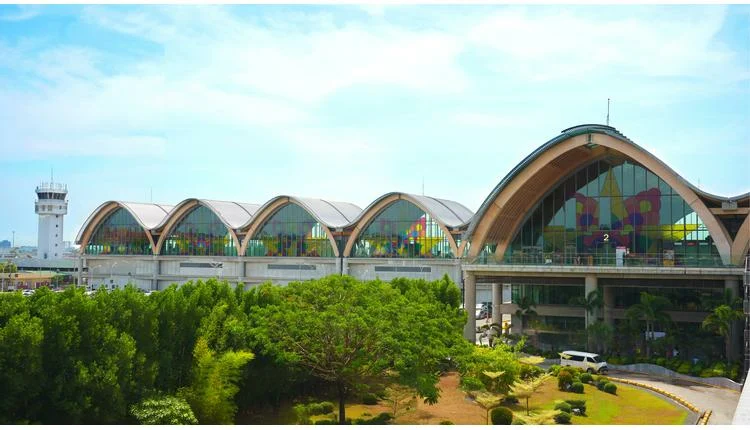
For travel industry professionals, this integration means PAL now offers seamless connectivity across oneworld's network of nearly 1,000 destinations in more than 170 countries. The alliance includes major carriers such as American Airlines, British Airways, Cathay Pacific, Qantas, and Japan Airlines, among others. PAL's hub at Ninoy Aquino International Airport (MNL) in Manila becomes a key gateway for oneworld passengers traveling to and from the Philippines and the broader Asia-Pacific region.
Strategic Implications for Airlines and Partners
Lucio C. Tan III, President of PAL Holdings, Inc., described the move as "a defining and transformative moment" that "significantly brings the Philippines and the region closer to the world." For oneworld, the addition of PAL strengthens its presence in a fast-growing aviation market. Robert Isom, CEO of American Airlines and chairman of the oneworld Governing Board, noted that PAL's entry "supports our long-term strategic growth and strengthens our connectivity across key markets in the Asia Pacific region."
The alliance membership is expected to boost code-sharing opportunities on routes such as Manila–Los Angeles (MNL–LAX), Manila–San Francisco (MNL–SFO), and Manila–Tokyo Narita (MNL–NRT), where PAL already operates. It also opens the door for new partnerships with carriers like Finnair and Qatar Airways, which have strong European and Middle Eastern networks.
Benefits for Loyalty Programs and Corporate Travel
PAL's Mabuhay Miles loyalty program now integrates with oneworld's tier system, allowing members to earn and redeem miles across all member airlines. Top-tier Elite and Premier Elite members will receive oneworld Priority benefits, including priority check-in, boarding, baggage handling, and access to over 700 premium airport lounges worldwide. This is particularly valuable for corporate travel managers and travel management companies (TMCs) seeking consistent service for frequent flyers.
The alliance also aligns with recent developments in the region. For example, Qantas and Philippine Airlines have already expanded their rewards network to 15 island destinations via Manila, a move that complements the broader oneworld ecosystem. Additionally, IHCL and oneworld have forged a loyalty partnership, offering cross-industry benefits that could extend to PAL passengers staying at Taj hotels.
Impact on Southeast Asian Aviation Landscape
PAL's membership comes at a time when Southeast Asian carriers are recalibrating their strategies. The region faces challenges from rising fuel costs and geopolitical tensions, as seen in Middle East airlines facing $4.3B in losses in 2026. By joining oneworld, PAL gains a competitive edge against rivals like Singapore Airlines (Star Alliance) and Thai Airways (Star Alliance), as well as low-cost carriers such as Cebu Pacific and AirAsia.
For tour operators and travel agents, the expanded network simplifies itinerary planning for clients traveling to and from the Philippines. PAL's domestic routes to destinations like Cebu, Davao, and Puerto Princesa now connect seamlessly with oneworld's global grid, making multi-stop trips more efficient. The alliance also enhances Manila's position as a transit hub, potentially diverting some traffic from Bangkok and Singapore.
As PAL celebrates its 85th anniversary, the oneworld membership marks a new chapter. The carrier aims to redefine its role as a global bridge, leveraging the alliance's scale to compete more effectively on long-haul routes to North America, Europe, and the Middle East. For travel industry stakeholders, this development signals a more interconnected and competitive Asia-Pacific aviation market.