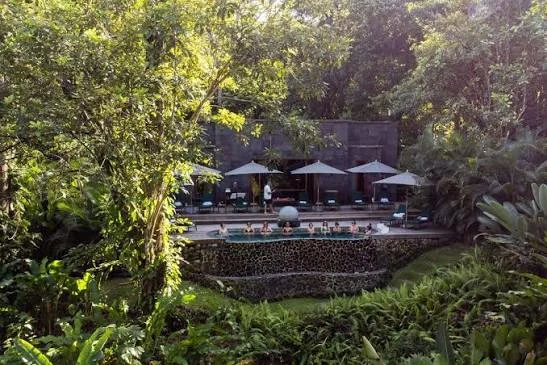
Phulay Bay, a Ritz-Carlton Reserve on Thailand's Andaman coast, is deepening its destination immersion with a new four-hour culinary program that takes guests from market stalls to the shoreline. The "Heritage Flavours of Krabi" experience, launched this month, is designed for travellers seeking more than a beach stay — it offers a hands-on introduction to Southern Thai cooking traditions, guided by local experts.
The journey begins at a bustling Krabi market, where participants navigate stalls piled with freshly landed seafood, aromatic herbs, and traditional sweets. This is not a staged tourist stop but a working market that anchors the region's daily food culture. The market visit sets the stage for the hands-on segments that follow, giving guests context for the ingredients they will later use.
From market to mortar: the art of curry paste
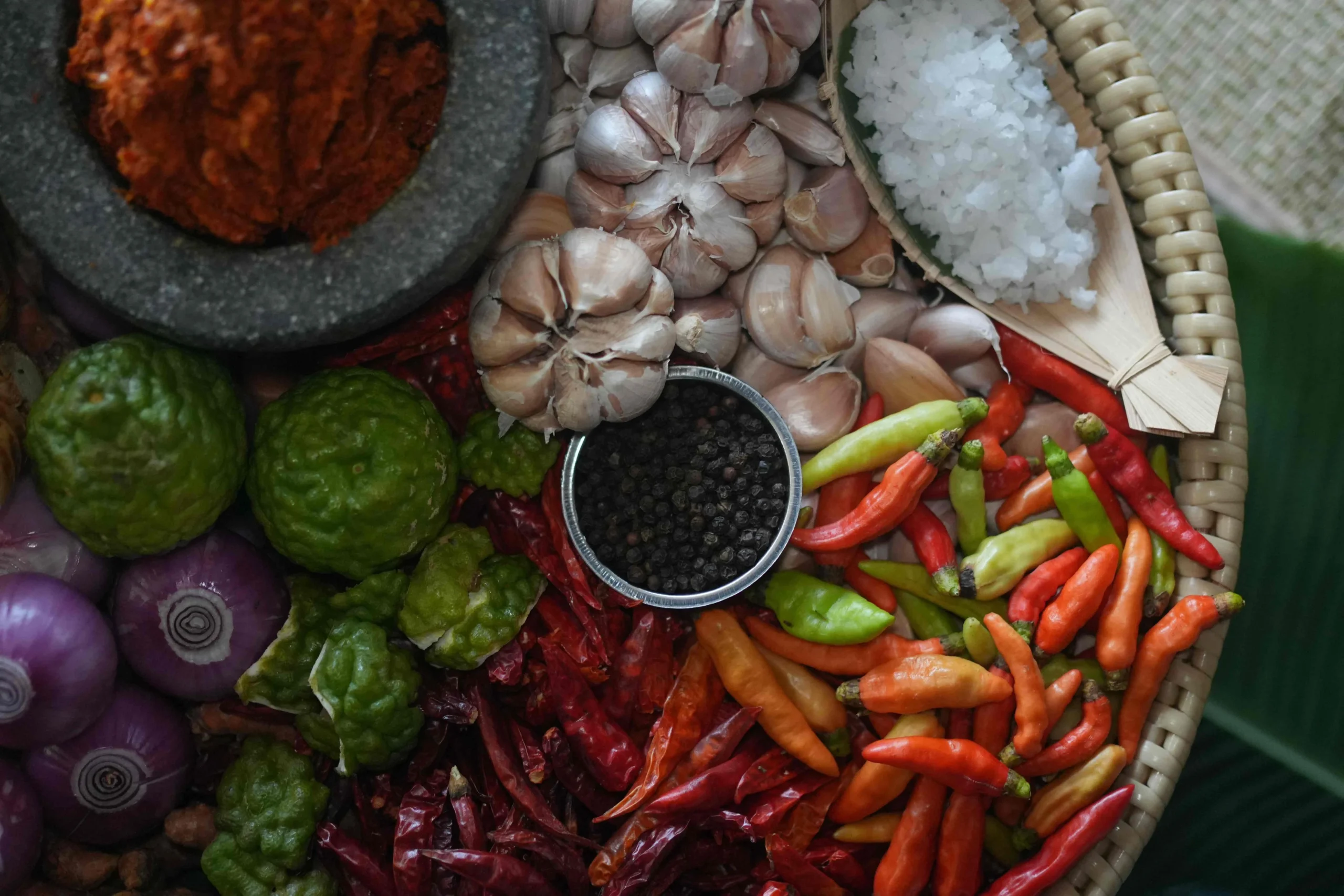
The next stop is the Curry Paste House, where guests learn to pound traditional chilli paste in a granite mortar and pestle. The lesson covers the building blocks of Southern Thai flavour — fiery bird's eye chillies, garlic, shallots, and coarse sea salt harvested from the Andaman coast. Each participant grinds their own blend, which they take home in a small jar as a tangible souvenir of the experience.
This focus on technique reflects a broader trend in luxury hospitality: moving beyond cooking demonstrations to immersive, culturally rooted activities. As Kempinski's new E.R.A.s experiences show, hotels are increasingly curating local encounters that feel authentic rather than performative.
Hor Mok by the sea
The program culminates on a quiet stretch of beach, where a local chef guides guests through the preparation of Hor Mok, a steamed fish curry wrapped in banana leaves. Participants learn the traditional folding technique, then blend fresh fish with coconut milk and their own homemade curry paste. The cooking takes place against the backdrop of the Andaman Sea, and guests can either savour their creation on the spot or take it back to their villa.
This final act is as much about storytelling as it is about cooking. The ritual of wrapping, steaming, and unwrapping the banana-leaf parcels connects guests to a culinary lineage that has sustained coastal communities for generations. It is a reminder that food is often the most accessible gateway to understanding a destination's history and identity.
Priced at $400 (THB 14,500) for two guests, with an additional $110 (THB 4,000) per extra participant, the experience includes the market visit, curry paste workshop, and Hor Mok cooking session. It is available to both in-house guests and external visitors, subject to availability.
Phulay Bay's move aligns with a wider push across Thailand to promote culinary tourism. The Tourism Authority of Thailand has long championed regional food as a draw, and initiatives like Malaysia's regional food map show that neighbouring destinations are also investing in gastronomy as a travel motivator. For luxury properties, such experiences differentiate them in a crowded market where generic amenities no longer suffice.
The program also underscores the resilience of local traditions in the face of rapid tourism development. By placing guests in the hands of local guides and home cooks, Phulay Bay is helping to sustain practices that might otherwise be lost. It is a model that other resorts in Southeast Asia could emulate, particularly those looking to attract the growing segment of travellers who prioritise authentic cultural engagement.
For travel advisors, the experience offers a concrete selling point for clients heading to Krabi. It is the kind of activity that generates word-of-mouth and repeat visits, especially among food-focused travellers. As immersive fam trips become more common, properties that can showcase such unique offerings are better positioned to win agent advocacy.
Phulay Bay, which opened in 2009 as the first Ritz-Carlton Reserve, has long positioned itself as a sanctuary of understated luxury. The new culinary experience adds a layer of cultural depth that complements its existing wellness and nature-based offerings. It also reinforces the brand's commitment to destination stewardship, a priority for many luxury travellers today.
As the travel industry continues to recover and evolve, experiences like Heritage Flavours of Krabi are likely to become benchmarks for how high-end resorts can meaningfully integrate local culture into their guest journeys. For now, it stands as a compelling reason to book a stay at Phulay Bay — and a reminder that the best travel memories are often made with hands in a mortar, not just a poolside cocktail.