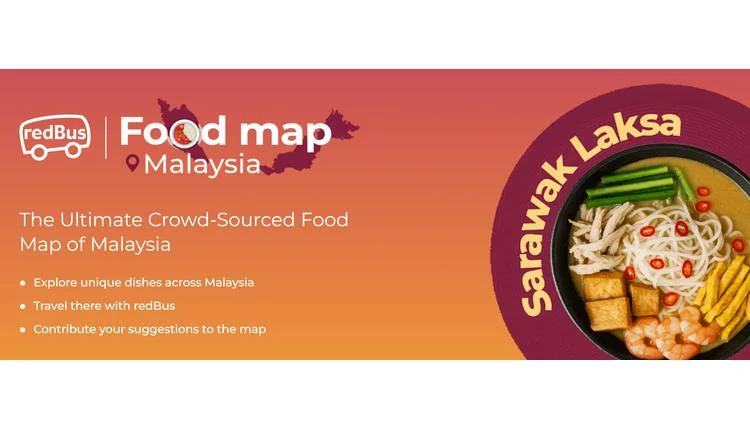
Malaysia's culinary reputation has long rested on iconic dishes such as nasi lemak and char kuey teow, but a new initiative aims to broaden the palate of food-focused travellers. redBus Malaysia, the intercity bus booking platform, has launched the redBus Malaysia Food Map in conjunction with the country's Visit Malaysia 2026 campaign. The map showcases regional specialities that have been preserved through generations, offering a deeper dive into the nation's gastronomic heritage.
The initiative is designed to encourage both domestic and international visitors to venture beyond the well-trodden food trails of Kuala Lumpur, Penang, and Malacca. By highlighting dishes that reflect the history, geography, and communities of each state, the map serves as a practical tool for planning interstate culinary journeys. For travel professionals, this represents a fresh angle to package Malaysia as a destination where food is not just an amenity but a primary motivator for travel.
A strategic push for culinary tourism
With Visit Malaysia 2026 on the horizon, the redBus Malaysia Food Map aligns with broader efforts to diversify the country's tourism appeal. The map is not merely a list of eateries; it is a curated guide to regional dishes that tell the story of Malaysia's multicultural fabric. From the fiery curries of Negeri Sembilan to the seafood specialties of the east coast, each entry is a gateway to understanding local traditions.
For tour operators and travel agents, the map offers a ready-made itinerary framework. It can be integrated into packages that combine bus travel with food trails, leveraging redBus's extensive network of intercity routes. This approach resonates with the growing segment of travellers who seek authentic, immersive experiences over conventional sightseeing.
The initiative also underscores the role of technology in promoting domestic tourism. redBus, which operates across multiple Asian markets, has digitised the discovery process, making it easier for travellers to plan multi-stop food adventures. This digital-first strategy is particularly relevant for younger travellers who rely on mobile platforms for trip planning.
Industry implications and opportunities
For hoteliers and hospitality providers, the food map presents opportunities to create culinary-themed packages. Properties in lesser-known destinations could see increased footfall as travellers follow the map's recommendations. Similarly, local food vendors and small businesses stand to benefit from the increased visibility, potentially boosting the local economy.
The timing is strategic. Malaysia is gearing up for a major tourism push in 2026, and initiatives like this help build momentum. The country has already seen success in attracting medical tourists, with the Malaysia Healthcare Travel Council targeting Hong Kong as part of its outreach. Culinary tourism could follow a similar trajectory, appealing to a different but equally lucrative demographic.
Moreover, the food map complements existing efforts to improve connectivity and infrastructure. For instance, the recent completion of Malaysia's longest river bridge in Sarawak is expected to open up new regions to tourism. By pairing such infrastructure developments with culinary promotions, the country can offer a more comprehensive travel experience.
For airlines and travel-tech companies, the initiative highlights the importance of partnerships. redBus's collaboration with tourism authorities demonstrates how private-sector players can contribute to national tourism goals. It also sets a precedent for other platforms to engage in destination marketing.
The full listicle and supporting images are available online, providing a comprehensive guide to Malaysia's culinary treasures. As the country prepares to welcome a surge of visitors in 2026, the redBus Malaysia Food Map is a timely reminder that Malaysia's appeal lies not just in its landmarks but in its flavours.
For travel professionals, the message is clear: culinary tourism is a growing niche with tangible economic benefits. By incorporating regional food experiences into itineraries, agents and operators can differentiate their offerings and tap into the rising demand for authentic travel.