South Africa has emerged as the top adventure travel destination in the Global Rescue Autumn 2026 Traveller Sentiment and Safety Survey, a ranking that underscores shifting preferences among experienced international travellers. The survey, conducted from 6 to 10 October 2026, placed the United States second and Argentina third overall, but the results reveal notable divergence between US and non-US respondents.
US vs. non-US preferences
US travellers ranked South Africa first, followed by the United States, Argentina, New Zealand and Canada. In contrast, non-US respondents favoured Nepal, with Italy, Australia and Mongolia also making their top five. South Africa was the only destination to appear in the top five for both groups, highlighting its broad appeal across markets.
The survey also found gender-based differences. Men preferred South Africa, then Argentina, the United States, Canada and Australia. Women, however, ranked the United States first, ahead of South Africa, New Zealand, Argentina and Italy. Men showed a stronger inclination toward Canada, while women were more likely to choose New Zealand.
Dan Richards, CEO of The Global Rescue Companies, stressed the importance of safety planning for adventure travellers. "A great adventure starts with curiosity but it should also include a plan for getting help," he said.
The findings come as adventure travel continues to grow, with operators and destinations vying for a share of this lucrative segment. For travel professionals, the survey offers actionable insights into how different traveller segments perceive adventure destinations, which can inform marketing and product development strategies.
For instance, the strong showing of Nepal among non-US travellers suggests that South Asian destinations are gaining traction, particularly for trekking and cultural experiences. Meanwhile, the US appeal among women indicates that domestic adventure offerings—such as national parks and outdoor activities—remain competitive.
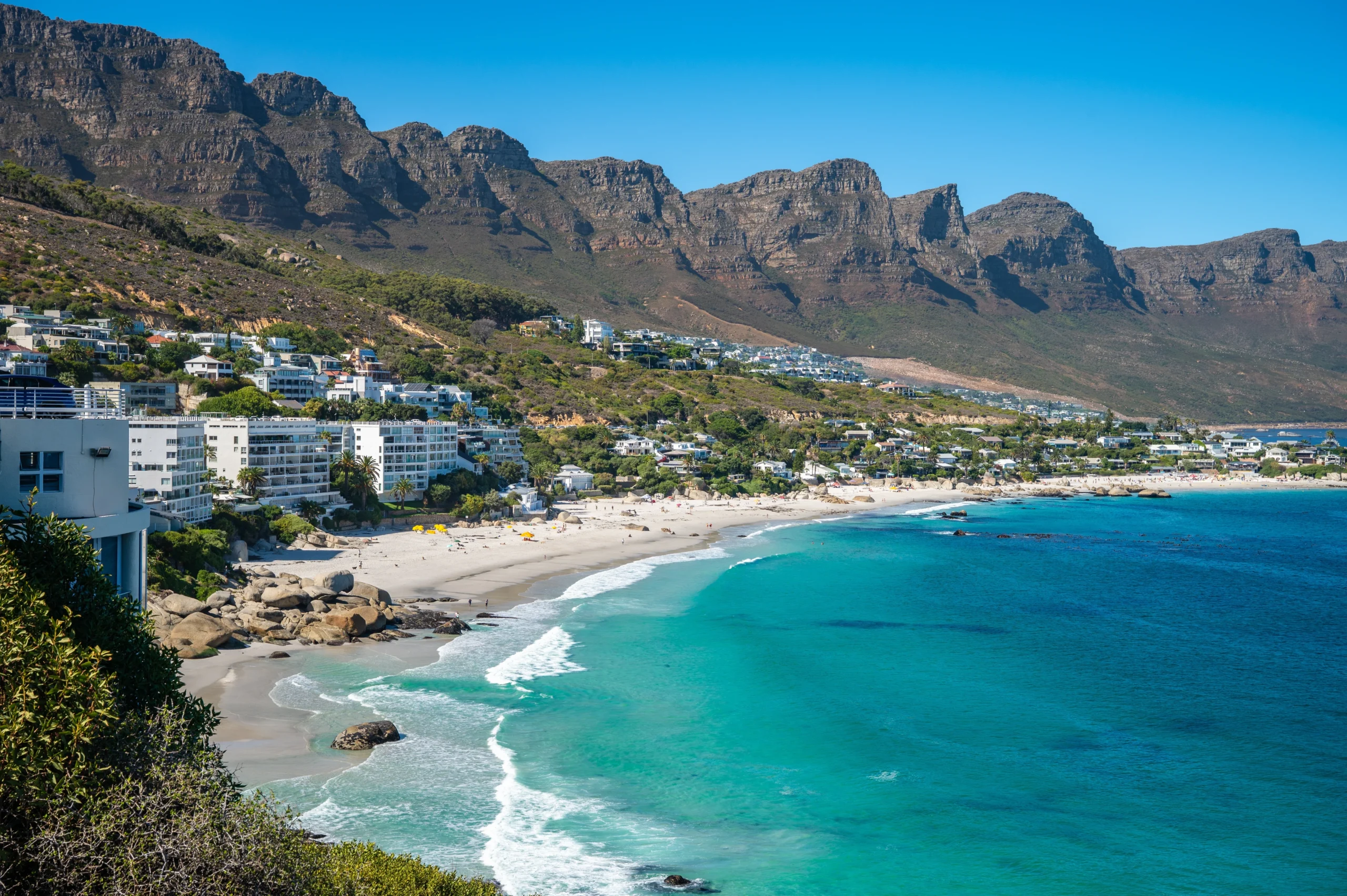
South Africa's top ranking is a boost for its tourism board, which has been promoting the country's diverse adventure offerings, from safari in Kruger National Park to shark-cage diving in Gansbaai. The country's inclusion in both top-five lists signals resilience and strong brand recognition.
For tour operators and agents, these insights can help tailor packages to specific demographics. For example, highlighting Canada for male travellers or New Zealand for female travellers could resonate with those segments. Similarly, promoting Nepal to international clients may align with their preferences.
The survey also touched on travel safety concerns and views on global mobility, though specific data on those topics were not released. Richards' comment underscores the need for robust safety protocols, especially as adventure travel often involves remote or high-risk environments.
As the industry looks ahead, destinations and suppliers can leverage these findings to refine their offerings. For more on how other destinations are adapting, see our coverage of Diwali escapes in India and Atlas Adventurer's debut voyages.