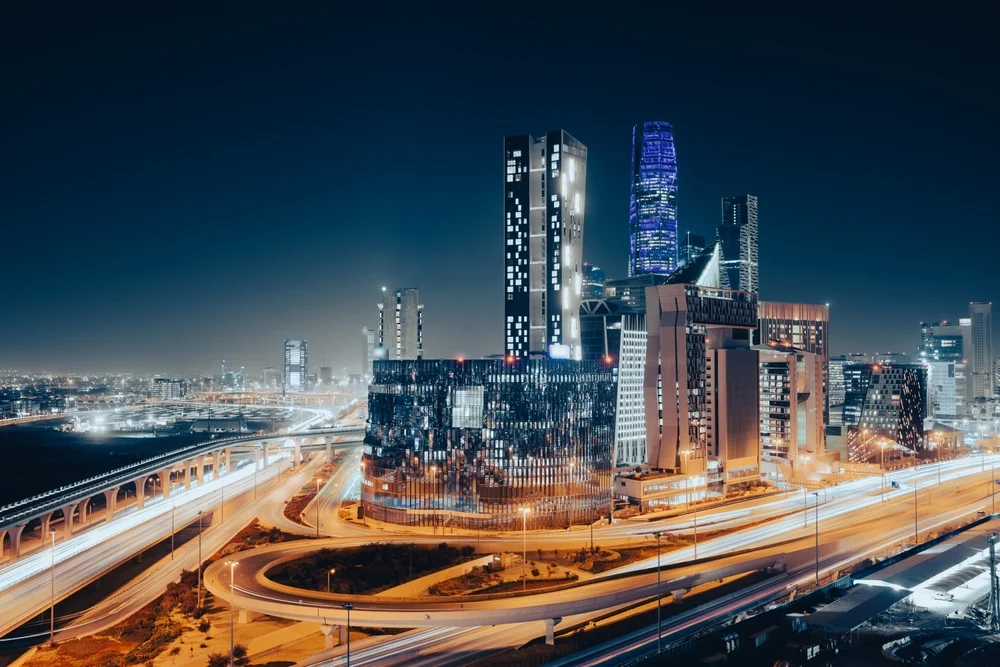
Saudi Arabia's tourism ambitions face a new stress test after a missile attack near Riyadh on September 19 disrupted operations at King Khalid International Airport. The Houthi group claimed responsibility for targeting sensitive sites in the capital, with Saudi air defences intercepting a missile and Civil Defence later giving the all-clear. Flights were cancelled and delayed before gradually resuming, but the episode has sharpened focus on the security risks that could undermine the Kingdom's rapid tourism expansion.
Aviation disruption and its ripple effects
The immediate impact was felt across the aviation network. King Khalid International Airport, a key gateway for business and leisure travel, saw significant schedule disruptions. Airlines were forced to reroute or cancel services as security assessments changed, adding to the operational complexity already present in the region's shifting airspace. For a market that handled over 140 million passengers in 2025—up 9% year-on-year and connected to 176 international destinations, according to the General Authority of Civil Aviation—even a short-lived disruption carries commercial weight.
The knock-on effects extend beyond Saudi Arabia. In its September 21 update on the US-Iran conflict, Gulf News reported that Dubai and Abu Dhabi airports remained operational, but some regional services were being cancelled or rescheduled, including flights involving Saudi Arabia, Bahrain, and Kuwait. This interconnectedness means that a security incident in one Gulf hub can quickly ripple through the entire network, affecting connections and traveller confidence across the region.
Safety becomes a booking factor
For travel management companies, tour operators, and airlines, the key question is no longer capacity but predictability. The US State Department's advisory urging heightened vigilance for Americans in the Middle East and recommending that those outside reconsider travel to the region has direct implications for corporate travel policies, insurance coverage, and duty-of-care obligations. MICE organisers, in particular, are sensitive to such advisories, as international delegates are easier to lose than domestic demand if security concerns persist.
Riyadh has invested heavily in positioning itself as a meetings and events destination, with large conferences and exhibitions filling hotel rooms and supporting airlines. However, event planners are now factoring in flight reliability, insurance terms, and the likelihood of further disruption. Hotels may see the first effects not through a sudden drop in occupancy but through softer forward bookings, shorter lead times, and increased requests for flexible cancellation policies.
Larger stakes than a decade ago
Saudi Arabia's tourism economy is far larger than when the Kingdom began its diversification push. In 2025, the country recorded about 123 million tourists, including more than 30 million international visitors, according to the Saudi Vision 2030 Annual Report. Having surpassed its original target of 100 million visitors ahead of schedule, the Kingdom is now aiming for 150 million annual visitors by 2030. This expansion has been supported by massive investment in airports, airlines, hotels, entertainment districts, and destination projects, with Riyadh as a focal point.
The commercial consequences of regional instability are therefore more pronounced today. A decade ago, the impact would have fallen mainly on established business and religious travel flows. Now, Saudi Arabia has international leisure visitors, major events, new hotel inventory, and an expanding aviation network to protect. Perception also matters: travellers may not distinguish between an incident in one city and risk across the entire country—or, during a fast-moving conflict, between countries within the wider Gulf.
As the industry watches for further developments, the resilience of Saudi tourism will depend on how quickly operations can normalise and how effectively stakeholders communicate safety. The recent expansion of Gulf carrier networks and the growth of regional travel demand, as seen at events like ITE HCMC, highlight the sector's momentum, but security remains a wildcard. For now, the industry is bracing for a period of heightened uncertainty, with the hope that the current incident remains an isolated event rather than a pattern.