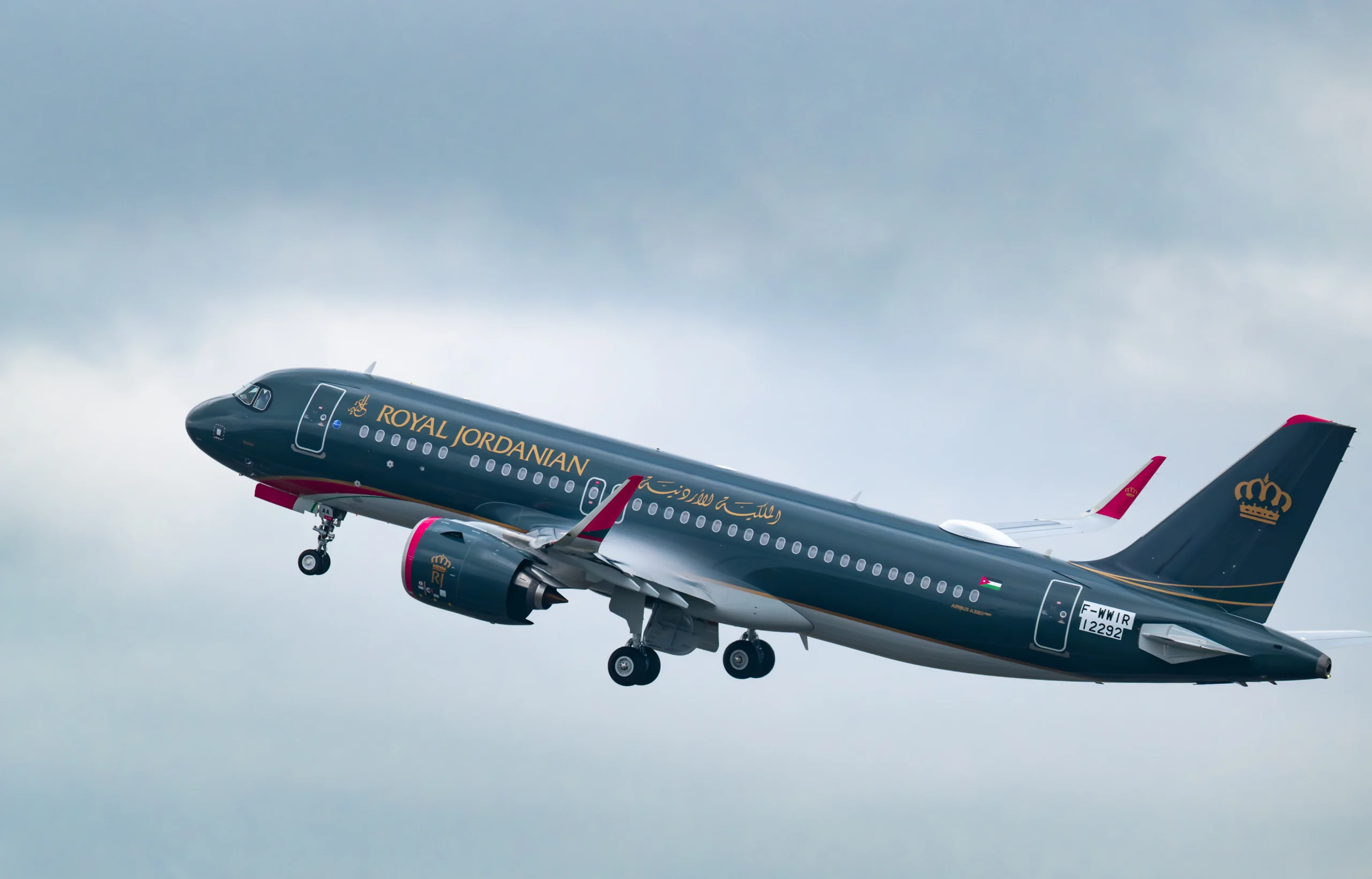
Royal Jordanian Airlines has welcomed its 17th Airbus A320neo into service, marking another milestone in its ongoing fleet modernization strategy. The Amman-based carrier has added 10 new aircraft since the start of 2026, bringing its total fleet to 36, with a clear focus on operational efficiency and passenger comfort.
The latest A320neo will support Royal Jordanian's short- and medium-haul network, which spans destinations across the Middle East, Europe, Africa, and Asia. According to Vice Chairman and CEO Samer Majali, the A320neo family is central to the airline's operational strategy. "The Airbus A320neo Family plays a key role in operating RJ’s short and medium haul network," Majali said, underscoring the aircraft's fuel efficiency and lower emissions.
Fleet expansion timeline
Royal Jordanian's fleet plan extends well beyond this delivery. An additional A320neo is scheduled to arrive in December, and two more are expected by 2028, which would bring the airline's A320neo fleet to 20. This steady cadence of deliveries reflects a disciplined approach to capacity growth, aligning with projected demand on regional routes.
On the long-haul front, the carrier has already taken delivery of two Boeing 787-9 Dreamliners this year, with a third slated for 2027. Royal Jordanian intends to grow its 787-9 fleet to nine aircraft, enhancing its ability to operate nonstop services to North America and Asia with improved fuel burn and modern cabin features. The 787-9's range and passenger amenities are expected to strengthen the airline's competitive position on long-distance routes.
In parallel, Royal Jordanian is upgrading its existing Boeing 787-8 fleet with new connectivity systems and cabin refurbishments. These enhancements are designed to deliver a consistent premium experience across the widebody fleet, which is critical for attracting business and leisure travelers alike.
The fleet renewal is part of a broader strategy to support Jordan's tourism ambitions and reinforce Amman's role as a regional aviation hub. The airline is expanding its route network, with plans to serve approximately 60 destinations in the coming years. This growth is expected to boost inbound tourism and facilitate connections between Europe, the Gulf, and the Levant.
Industry observers note that Royal Jordanian's investment in modern, fuel-efficient aircraft positions it well amid rising fuel costs and environmental regulations. The A320neo and 787-9 both offer significant reductions in fuel burn and CO2 emissions compared to older models, aligning with global sustainability trends.
The airline's expansion also comes at a time when regional carriers are competing for market share in the Middle East. Royal Jordanian's focus on operational efficiency and network development is seen as a key differentiator, particularly as it seeks to attract transit passengers through Amman's Queen Alia International Airport.
For travel professionals, the fleet growth signals increased capacity and potentially new route opportunities. Agents and tour operators can expect more seat availability on key routes, while corporate travel managers may benefit from enhanced connectivity and improved onboard products.
Royal Jordanian's commitment to fleet renewal is a clear signal of its long-term ambitions. With a modernized fleet and an expanding network, the airline is positioning itself as a competitive player in the region's aviation market.