Britain's royal palaces and pageantry continue to exert a powerful pull on international travelers, even as enthusiasm for the monarchy wanes among the domestic population. This divergence is shaping a nuanced tourism landscape where heritage assets remain commercial goldmines for the UK's inbound sector.
Recent data underscores the trend. The Tower of London, home to the Crown Jewels, was England's most visited paid attraction in 2024, welcoming 2.9 million visitors—a 4% increase year-on-year and just 3% below pre-pandemic levels, according to VisitEngland's annual attractions survey. Buckingham Palace also set a new benchmark, with a record 683,000 visitors in 2024-25, as reported by The Guardian in June 2026. These figures come amid a £369 million refurbishment of the palace, slated for completion in 2027, which will expand public access.
The commercial significance extends beyond ticket sales. Royal sites anchor multi-day itineraries that generate revenue across accommodation, transport, dining, and retail. For tour operators and destination management companies, the value lies in converting a palace visit into a broader regional exploration—from Windsor to the Highlands via Holyroodhouse and Balmoral.
Global exposure, local ambivalence
The monarchy's marketing power is most evident during major ceremonial events. The coronation of King Charles III in 2023 and the funeral of Queen Elizabeth II in 2022 delivered billions of media impressions, showcasing Britain's heritage to a global audience. VisitBritain leveraged the coronation to spotlight "destination Britain," emphasizing history and culture—attributes that research shows resonate with potential visitors, particularly in long-haul markets.
The United States remains the crown jewel. VisitBritain projects US visitors will spend approximately £7.5 billion in Britain in 2026, accounting for more than one in five pounds of all overseas visitor spending. Royal imagery, from Buckingham Palace to the Changing of the Guard, helps place Britain on American travelers' consideration lists, though converting that recognition into extended, higher-value trips remains the industry's challenge.
Domestically, support for the monarchy has slipped. A Reuters Breakingviews analysis from January 2026 found that only 51% of Britons consider the monarchy important, down from 75% in 2012. Yet this shift has not dampened international demand. As one industry observer noted, "Visitors don't need to be monarchists to appreciate the history and spectacle."
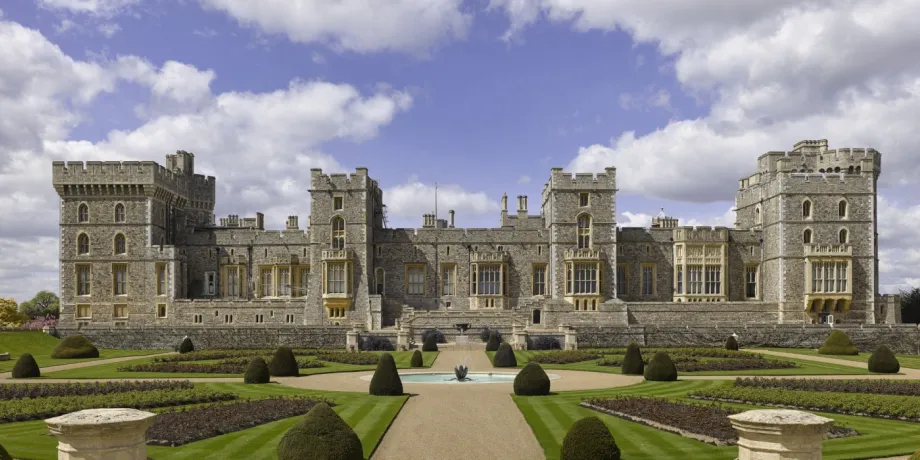
VisitBritain's Royal Britain content positions palaces not as isolated attractions but as gateways to regional travel. Windsor Castle, Kensington Palace, Hampton Court, and the Palace of Holyroodhouse are woven into broader itineraries that encourage longer stays. The strategy aligns with the "Starring GREAT Britain" campaign, which leverages film and TV locations to drive visitation—nine in ten surveyed potential visitors express interest in visiting such sites.
Royal heritage also intersects with other travel trends. For instance, royal-themed seasons at stately homes like Blenheim Palace attract niche audiences. Meanwhile, the broader appeal of UK heritage continues to support efficient rail connections that enable multi-city royal tours.
For travel professionals, the message is clear: royal tourism is not merely about palaces—it's a strategic asset for destination marketing and regional dispersal. As Buckingham Palace opens more rooms and Windsor expands its offerings, the sector's potential only grows. The monarchy may face a complicated debate at home, but abroad it remains Britain's most recognizable calling card.