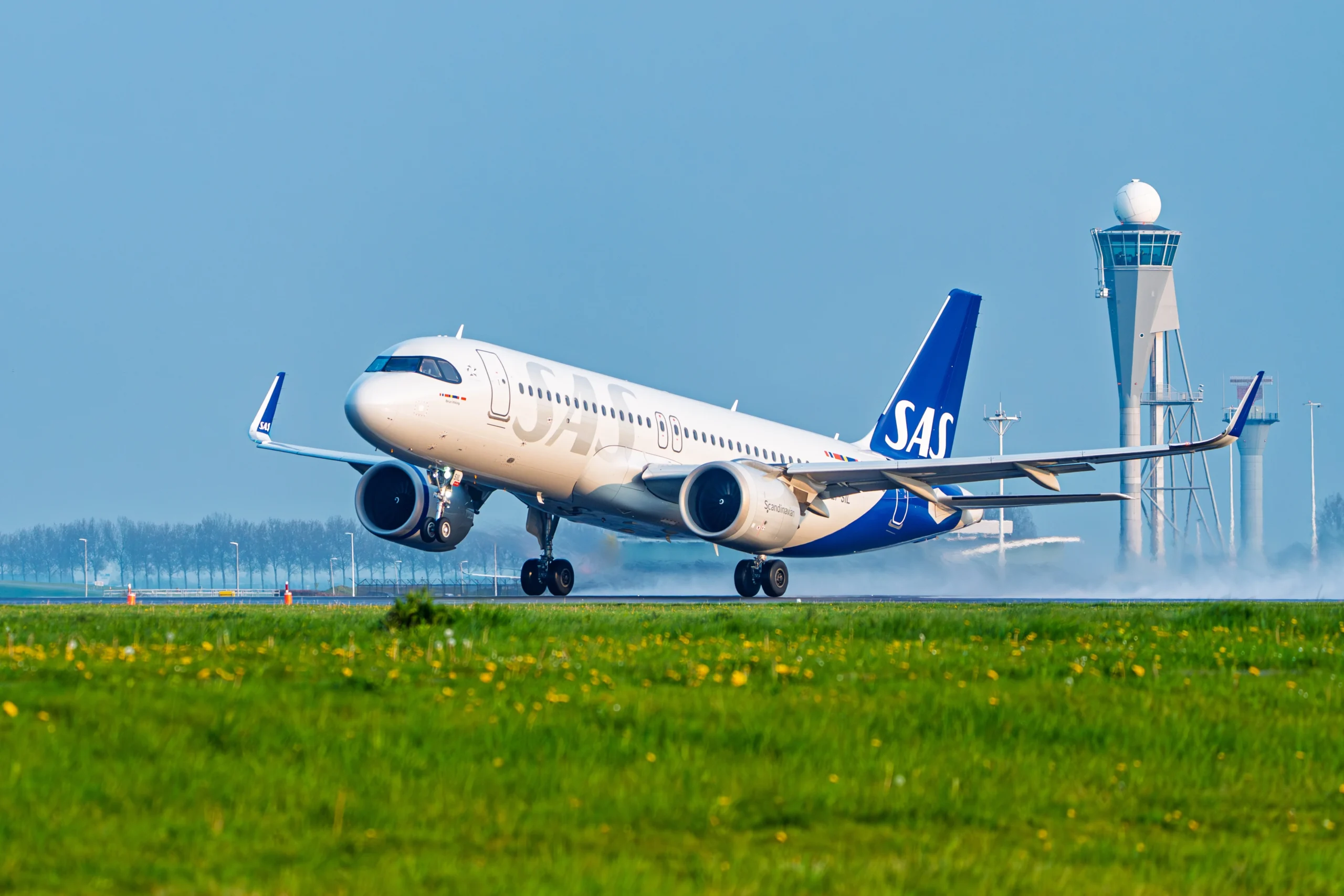
Scandinavian Airlines (SAS) has emerged as the most punctual carrier operating at UK airports, according to new research from Confused.com. The carrier recorded an on-time performance of 84.6% across arrivals and departures last year, placing it ahead of JetBlue (82.6%) and Virgin Atlantic, which improved its punctuality by 15% in 2025.
The findings underscore the commercial weight of operational reliability. With 83% of UK adults citing punctuality as a decisive factor when booking flights, airlines that consistently hit schedule windows gain a measurable edge in a competitive market. More than half of travellers who have experienced delays say they would pay nearly £50 extra to fly with a more dependable carrier.
Compensation gap persists despite disruption
Despite the prevalence of delays, the research reveals a striking disconnect: only 32% of affected passengers have ever filed a compensation claim. Of those who did, 75% approached the airline directly, while 21% turned to their travel insurer. This suggests a significant awareness gap around UK261 rights, which obligate carriers to provide care during disruptions and may trigger financial compensation for delays exceeding three hours, depending on route distance.
Tom Vaughan, travel insurance expert at Confused.com, advises passengers to understand their entitlements under UK261 and to consider travel disruption cover for events outside airline control, such as adverse weather or travel bans. For travel professionals, this highlights an opportunity to educate clients and streamline claims processes, potentially reducing friction and enhancing loyalty.
The data also quantifies the real-world impact of delays: 20% of respondents said they missed the entire first day of their trip due to a disruption. For airlines and tour operators, this reinforces the need for robust contingency planning and proactive communication.
Punctuality rankings are increasingly a differentiator in the industry. As carriers like SAS and JetBlue demonstrate, consistent on-time performance can be a powerful marketing asset. Meanwhile, the low claim rate suggests that many travellers remain unaware of their rights, a gap that travel agents and insurers can fill with clear guidance.
For airlines, the takeaway is twofold: invest in operational resilience to protect schedules, and ensure that when disruptions occur, the claims process is transparent and accessible. The research also points to a broader trend—passengers are willing to pay a premium for reliability, a signal that on-time performance should be a core part of network planning and customer experience strategies.
As the industry continues to recover and expand, punctuality will remain a key metric. Carriers that prioritise schedule integrity, like SAS, are likely to see benefits in both customer satisfaction and commercial performance. For travel professionals, staying informed about these trends is essential—whether through regional punctuality updates or new booking technologies that enhance the passenger experience.
Ultimately, the Confused.com study serves as a reminder that operational excellence and passenger rights are intertwined. By closing the compensation gap and improving communication, the industry can turn a negative experience into a trust-building moment.