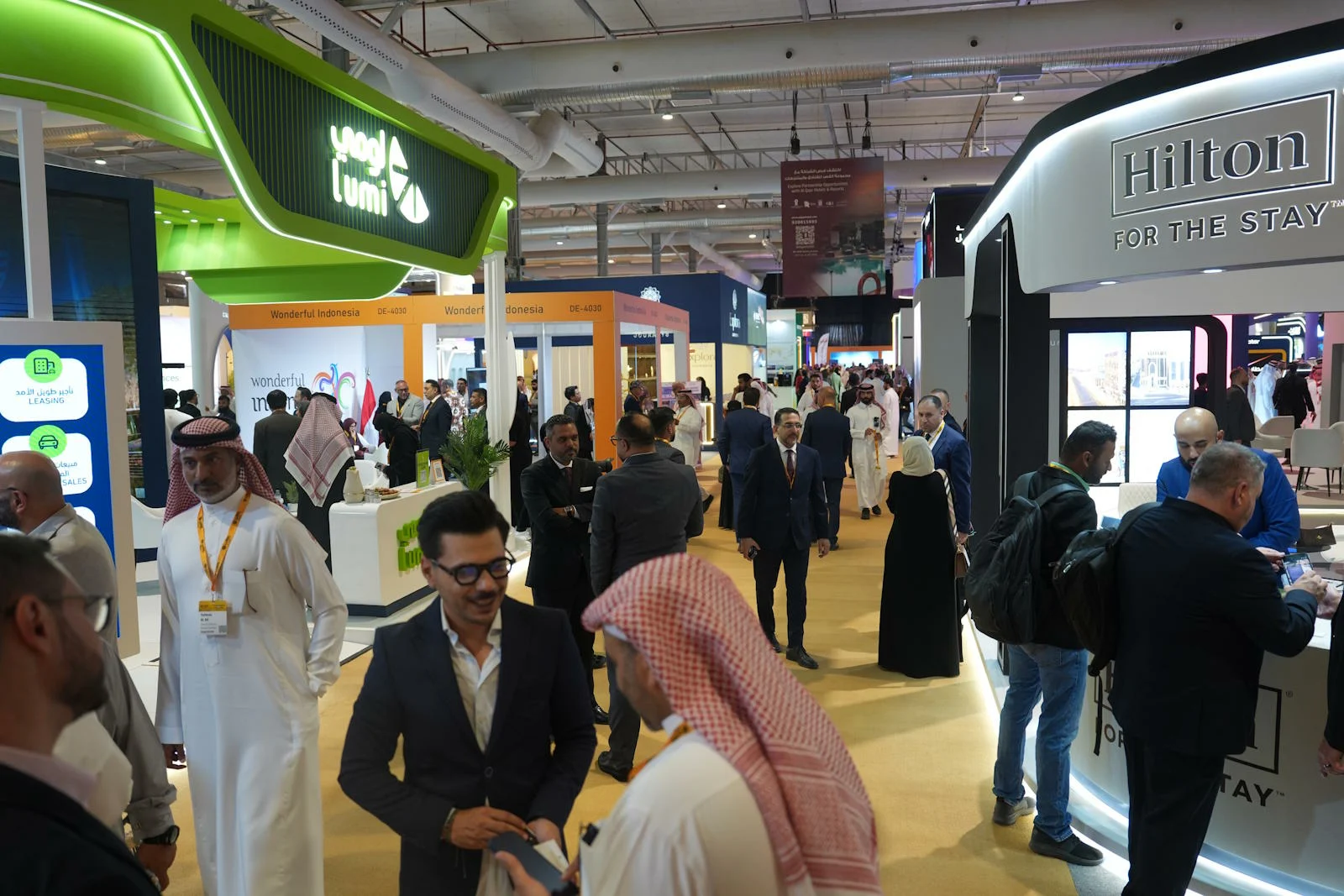
Saudi Arabia is on track to nearly double its international leisure arrivals by 2030, according to new data from Tourism Economics, an Oxford Economics company, presented at WTM Spotlight Riyadh. The forecast predicts a 93% increase in overnight leisure visitors between 2025 and 2030, compared with 64% for the Middle East and 30% globally.
The kingdom has already posted impressive gains: international travel to Saudi Arabia rose 67% from 2019 to 2025, versus 20% for the region and 5% worldwide. OECD figures show 29.3 million international tourists arrived in 2025, placing Saudi Arabia among the fastest-growing destinations globally. Tourism Economics estimates the kingdom accounted for roughly three-quarters of the Middle East's international travel growth during that period.
Leisure's rising share
The composition of Saudi Arabia's visitor economy is shifting dramatically. Leisure's share of international visitor spending climbed from just 9% in 2019 to 28% in 2025, and is projected to reach 31% by 2030. This reflects the kingdom's Vision 2030 push to diversify beyond religious and business travel, with heavy investment in destinations, hospitality, entertainment, and culture.
Dave Goodger, Managing Director EMEA at Tourism Economics, said: "Saudi Arabia has rapidly emerged as one of the world's most dynamic visitor economies." He noted that sustained investment and destination development are driving growth, with international visitors now approaching half of all nights spent in the country.
Chinese luxury travelers: a key opportunity
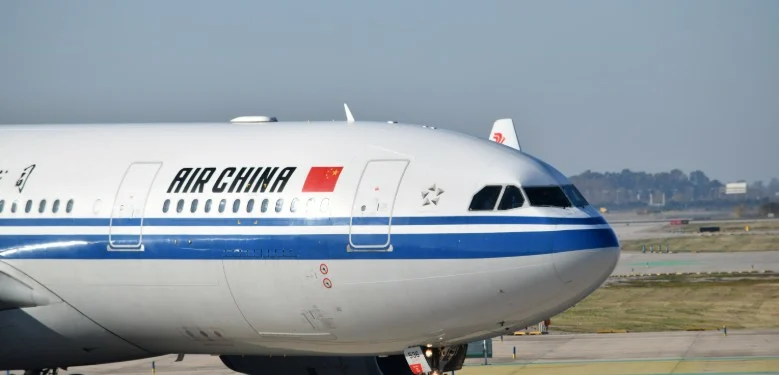
Research from Dragon Trail International highlights Chinese travelers, especially the luxury segment, as a major growth avenue. Over half (52%) of Chinese travel agents surveyed currently sell Saudi Arabia, and 32% see it as a top future destination. Luxury is particularly promising: 42% of agents identified high-net-worth and luxury travelers as the segment with the greatest recovery and growth potential in the Middle East and North Africa.
The experiences these travelers seek align with Saudi Arabia's offerings. Nature and scenery appeal to 54% of agents, followed by adventure and outdoor activities (45%), museums and cultural landmarks (41%), interaction with locals (41%), and luxury resorts (37%). This suggests the next phase will focus on high-value visitors rather than sheer volume.
Riyadh and Jeddah hotel outlook
Hospitality demand remains robust. STR forecasts Riyadh hotel RevPAR to rise 18.6% in 2027, driven by returning corporate and consultancy demand that will outpace new supply. Growth is expected to continue through 2030 as the business and leisure economy expands.
Jeddah saw strong domestic and international demand in the first half of 2026, buoyed by its summer leisure appeal and role as a gateway for Hajj and Umrah. However, supply is a concern: over 2,300 new hotel rooms are slated to open in Jeddah in 2027. Both cities should also benefit from stronger MICE demand next year.
Danielle Curtis, Regional Portfolio Director – UAE at RX, said: "The next phase is about building on that momentum by attracting high-value demand and ensuring the benefits extend throughout the tourism ecosystem."
With international leisure arrivals set to nearly double by 2030, Saudi Arabia is positioning itself to capture a larger share of global leisure spending. For travel professionals, this signals growing opportunities in luxury, MICE, and experiential travel. Related coverage includes Saudi's leisure surge and hotel rate competition.