Saudi Arabia's hotel market is entering a more demanding phase of its expansion. New properties continue to open, international operators are building substantial pipelines, and government-backed destinations are shifting from construction sites to operating resorts. But 2026 has brought a sharper focus on the other side of the equation: filling those rooms.
Performance is increasingly divided by location and demand base. Makkah and Madinah continue to draw strength from religious travel, while Riyadh and Jeddah are navigating softer trading conditions and greater competition. For owners and operators, the conversation is shifting from how quickly Saudi Arabia can build hotels to where new supply is needed, what travellers will pay, and whether demand can keep pace.
Supply surge reshapes the market
The numbers are formidable. Knight Frank estimates that Saudi Arabia has 176,260 hotel rooms, with another 105,225 under construction or in advanced planning. If that pipeline is delivered, national inventory would exceed 281,500 rooms by 2030. That expansion underpins the Kingdom's target of 150 million annual visits by the end of the decade, but it also raises the stakes for hotel investors.
National performance points to the adjustment. Knight Frank reported average hotel occupancy of 63.4% between January and April 2026, with an average daily rate of SAR754 and revenue per available room of SAR478. Saudi Arabia is still a growth hotel market—it is simply becoming a more competitive one.
Holy cities provide a buffer
Makkah and Madinah have been among the more resilient hotel markets during a difficult period for Middle East travel. Religious tourism gives them a demand base largely independent of conventional leisure cycles. Around 1.71 million pilgrims performed Hajj in 2026, and Saudi Arabia is working towards accommodating 30 million Hajj and Umrah pilgrims annually by 2030, according to Knight Frank.
JLL reported comparatively stronger trading in religious destinations during the second quarter of 2026, even as commercial markets came under pressure. Makkah recorded occupancy of 68.2%, four percentage points higher than a year earlier, while revenue per available room rose 8.7%. Occupancy in Madinah reached 75.1%.
Those figures explain why developers remain committed to the two cities. Yet the scale of construction introduces a different challenge. More than 218,000 hotel rooms, serviced apartments, and branded residences are planned across major developments in Makkah and Madinah, according to Knight Frank. Projects including Masar Makkah, Rua Al Haram, and Rua Al Madinah will add accommodation on a scale that could reshape both markets.
The pilgrimage economy can support large volumes, particularly during Hajj, Ramadan, and peak Umrah periods. Maintaining rates and occupancy outside those periods will require a more sophisticated approach to distribution, length of stay, and visitor spending.
Riyadh and Jeddah face tougher competition
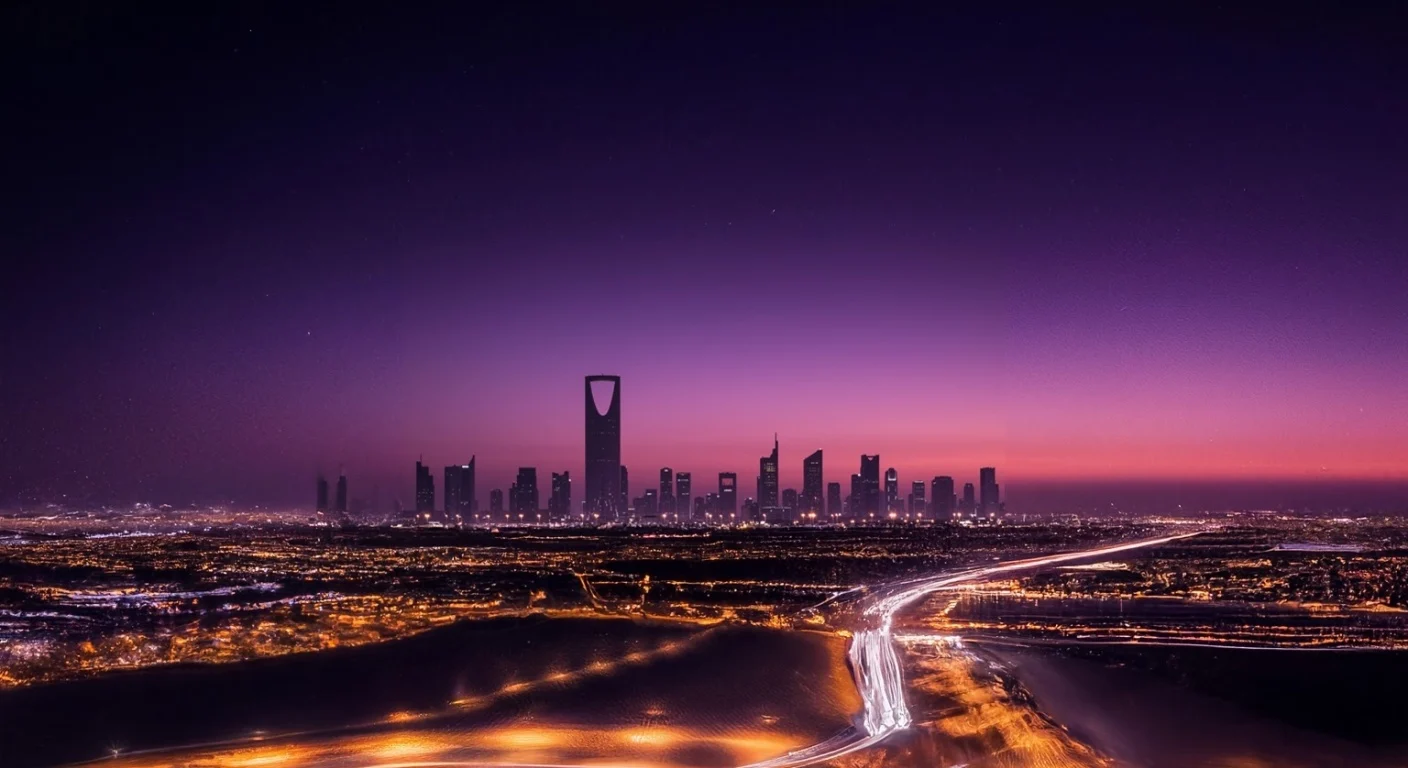
The picture changes in Saudi Arabia's main commercial cities. Riyadh has enjoyed exceptional hospitality growth in recent years, helped by government activity, corporate relocations, international events, and a rapidly expanding meetings and exhibitions sector. That demand attracted hotel investment—and the resulting supply is now creating more choice for buyers.
JLL reported weaker occupancy across key commercial markets during the second quarter as additional rooms combined with softer corporate demand in Riyadh and Jeddah. For hotel operators, that puts more pressure on revenue management. Rate growth cannot be taken for granted when corporate buyers have more negotiating power and travellers have a wider choice of brands.
Luxury-heavy pipeline under scrutiny
Another issue is emerging beneath the headline supply figures: what kind of hotels does Saudi Arabia need? Much of the Kingdom's early development concentrated on luxury and upper-upscale accommodation, particularly at flagship leisure destinations. More than half of future hotel supply remains in those categories, according to Knight Frank.
Demand is broader. Saudi Arabia recorded 37.2 million domestic and international visitors during the first quarter of 2026, generating SAR82.7 billion in spending. Domestic travellers accounted for 28.9 million visits, up 16% from a year earlier. That domestic base is commercially important. Not every traveller is looking for a luxury resort or five-star city hotel, creating room for midscale, upper-midscale, and extended-stay brands as the market matures.
International hotel companies have noticed. Marriott International and Al Qimmah Hospitality plan to open more than 2,700 rooms across five properties in Jeddah, Makkah, and Madinah. The agreement spans JW Marriott as well as Four Points by Sheraton, Element Hotels, and Four Points Flex, giving the pipeline exposure to several price points. Marriott already operates 44 properties with more than 11,000 rooms in the Kingdom, while Hilton has around 100 hotels in its Saudi pipeline, Reuters reported. Such numbers underline the confidence global operators have placed in the market—and point towards fiercer competition for guests, staff, and management agreements.
New destinations face distribution challenge
Saudi Arabia's emerging leisure destinations present another test. The Red Sea developments are beginning to bring internationally branded resorts into areas that were largely absent from global leisure programmes only a few years ago. Building the hotels, however, is only one part of creating a viable tourism market.
Air access, international distribution, and tour operator relationships will determine how quickly those rooms find customers. So will price. Luxury resorts can command premiums when a destination is scarce and new. Sustaining those rates once additional properties open requires repeat demand, stronger air connectivity, and a sufficiently deep pool of travellers. As AlUla positions itself for family travel, and with Rosewood AMAALA debuting at Triple Bay, the pressure is on to diversify demand beyond the luxury segment.
For hoteliers and investors, the message is clear: Saudi Arabia's hotel boom is no longer just about building—it's about operating smartly in a market where supply is catching up with demand. The winners will be those who can balance rate integrity with occupancy, and who can tap into the growing domestic and midscale segments that are reshaping the Kingdom's hospitality landscape.