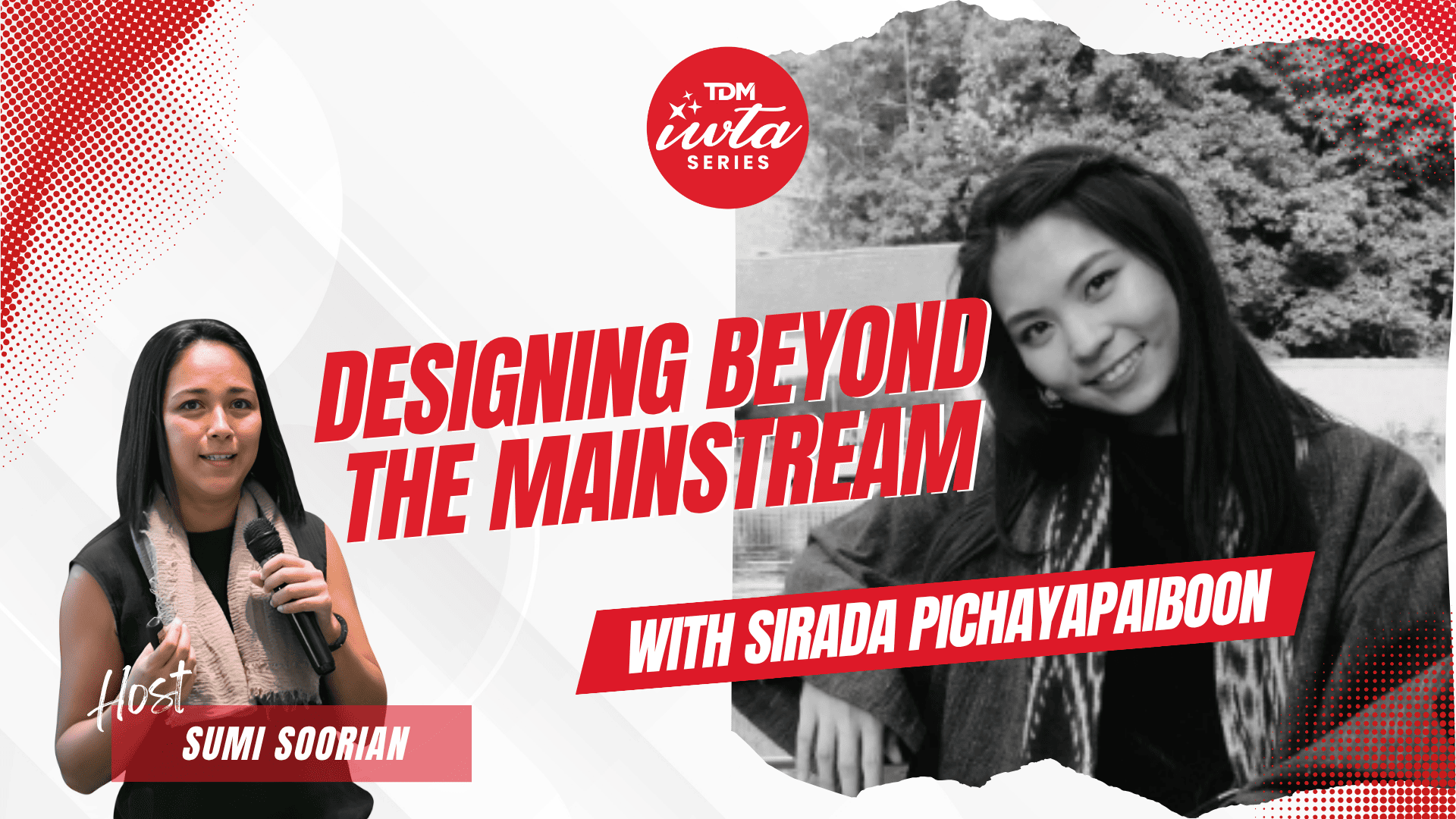
For most travel entrepreneurs, tourism is about destinations. For Sirada Pichayapaiboon, founder and CEO of The Roots Routes, it is about people. Her Bangkok-based cultural experience design studio uses tourism as a vehicle for heritage preservation, community empowerment, and sustainable development — a model that has earned recognition from the UNDP and UNESCO.
Sirada’s background in landscape architecture and urban planning led her to study cultural landscapes and heritage management. “I became interested in how people interact with landscapes and places,” she explains. That academic foundation evolved into The Roots Routes, which designs immersive cultural experiences that celebrate local knowledge while generating tangible benefits for communities.
“Culture is all about people,” Sirada says. “Without culture, there would be no fascinating stories, no heritage, and no sense of place. We see tourism as a way to preserve those stories and connect locals with travellers.”
From a Missed Train to a Social Enterprise
The inspiration struck during Sirada’s master’s studies in Europe. While travelling in Portugal, she missed a train and ended up sharing a café table with a Greek traveller who regularly visited Thailand for volunteer tourism projects. That conversation sparked a question: How could tourism create long-term value for local communities rather than short-term interactions?
“That experience opened my eyes,” she recalls. “I started asking myself how tourism could be done differently and how it could create lasting impact.” What began as a university thesis became a social enterprise dedicated to cultural preservation and community-led tourism.
One of Sirada’s biggest challenges was changing perceptions around cultural heritage. “People often think heritage is academic, complicated, or even boring,” she says. “But cultural heritage is something we live with every day — from family recipes and traditional stories to old houses and local customs.” Her mission became making culture accessible, especially for younger generations and the local communities who are its custodians.
That vision gained momentum when The Roots Routes won the Sustainable Tourism Award at the UNDP Youth Co:Lab programme and later secured funding through UNESCO’s Technology for Culture initiative, where it received three awards. Those resources enabled the development of both in-person cultural experiences and digital cultural exploration platforms.
Women at the Heart of Heritage
Diversity and inclusion are central to Sirada’s philosophy. The Roots Routes works closely with women artisans, storytellers, heritage practitioners, and community leaders across Thailand, amplifying voices often overlooked. “Many women are preserving cultural knowledge while facing their own challenges in sustaining their livelihoods,” Sirada says. “We try to create opportunities for them to share their stories, become speakers, and pass on their knowledge.” Through co-creation, training, and technology, the organisation helps local women become active participants in shaping tourism experiences while preserving cultural traditions.
Among the projects developed by The Roots Routes, one stands out: Crafting Smile with Wisdom. This experience combines heritage storytelling, traditional craftsmanship, and social impact. The journey begins at Bangkok’s Wat Pho, where participants discover the Thai belief in Mae Sue, guardian spirits believed to protect newborn children. Guests then visit a local woodworking studio in Bangkok’s historic wooden district, learning traditional techniques to create handcrafted rocking horse toys inspired by the guardian spirits. The completed toys are donated through World Vision to children in need across Thailand.
“It’s not just about sightseeing or taking photos,” Sirada says. “It’s about creating something meaningful together. When we saw the smiles from the children who received the toys, we felt incredibly proud.”
Balancing impact and commercial sustainability remains a challenge. “When you work with culture, much of the value is intangible,” she explains. “The challenge is turning something meaningful into something sustainable and tangible.” Yet her long-term vision is ambitious: by combining technology with community-led storytelling, she hopes to scale The Roots Routes model across more destinations in Thailand and beyond. “Technology can help us expand, but it should never replace people,” she says. “Stories come from people, and tourism has the power to create positive change when it is done thoughtfully.”
Her advice to aspiring entrepreneurs: stay focused on your purpose. “There will be challenges, ups and downs, and moments of doubt,” she reflects. “But if you keep your eyes on what you’re trying to achieve, that will help you keep moving forward.”
For more on community-led heritage tourism, see our coverage of the Mekong Tourism Forum 2026: Living Culture Panel Stresses Community-Led Heritage Protection and the Global Wellness Summit Marks 20th Anniversary in Thailand with Cultural Ceremony.