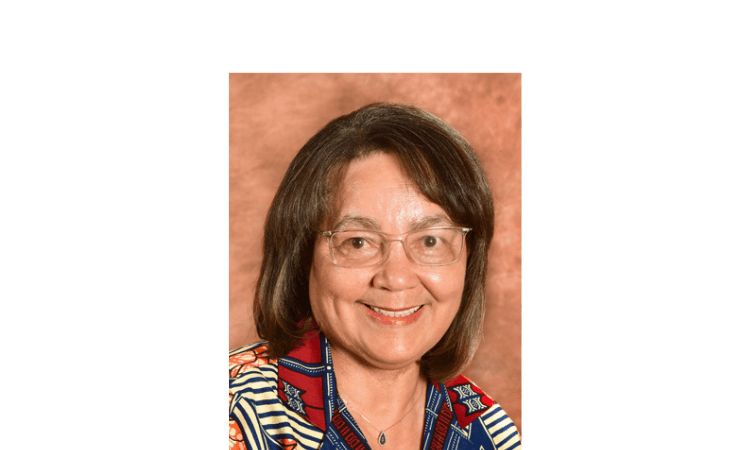
South Africa's Minister of Tourism, Patricia de Lille, will travel to Jaipur on 21-22 August 2026 to take part in the BRICS Tourism Ministers Meeting, hosted by India under its 2026 BRICS Chairship. She will be accompanied by Ismail Dockrat, Chief Operating Officer of South African Tourism, underscoring the strategic importance of the Indian market for the country's inbound sector.
The meeting comes at a time when India is one of South Africa's fastest-growing source markets, with arrivals driven by a mix of leisure, business, and events travel. De Lille's participation signals a continued push to deepen bilateral tourism cooperation, building on existing political, economic, and cultural ties between the two nations.
India as a strategic partner
"India is a valued and strategic partner for South Africa," de Lille said in a statement ahead of the visit. She highlighted the potential to expand the partnership through tourism, pointing to the recent introduction of the Electronic Travel Authorisation (ETA) as evidence of the importance placed on Indian travellers. The ETA, which streamlines visa processes, is part of a broader effort to reduce friction for visitors from key markets.
South Africa's tourism board has been actively courting Indian travellers with a diverse portfolio that spans wildlife safaris, luxury resorts, and business events. In return, the country offers Indian visitors a destination rich in historical and cultural connections, including sites linked to Mahatma Gandhi's early activism and the Indian diaspora's enduring presence.
Initiatives such as the Trusted Tour Operator Scheme and the ETA are designed to make travel smoother for Indian tourists, a segment that has shown resilience even as global travel patterns shift. The upcoming ICC Cricket World Cup 2027, co-hosted by South Africa, Zimbabwe, and Namibia, is expected to provide an additional boost, with cricket serving as a powerful draw for Indian sports fans.
Sports tourism and beyond
The cricket tournament is likely to be a key talking point at the Jaipur meeting, as it offers a platform for sports tourism that could encourage Indian visitors to explore South Africa's broader tourism landscape beyond the usual safari circuits. De Lille and Dockrat's presence at the BRICS gathering highlights South Africa's commitment to fostering a deeper relationship with India, paving the way for new opportunities in tourism and cultural exchange.
For travel professionals, the meeting signals continued policy attention on India, a market that has seen increased competition from destinations like Abu Dhabi, which recently dropped visa fees for Indian tourists, and Southeast Asian countries that are pivoting to indoor and rural tourism as monsoon risks grow. South Africa's focus on easing entry and leveraging major events could help it maintain a competitive edge.
The BRICS Tourism Ministers Meeting is part of a broader agenda under India's chairship, which has prioritised connectivity, sustainability, and digital transformation in tourism. De Lille's engagement with her counterparts from Brazil, Russia, China, and other member states will likely touch on shared challenges, including climate resilience and the need for harmonised travel protocols.
As the meeting approaches, industry observers will be watching for concrete outcomes, such as joint marketing initiatives or streamlined visa arrangements among BRICS nations. For South Africa, the immediate goal is clear: to convert diplomatic goodwill into tangible growth in Indian arrivals, a market that has shown strong potential for both leisure and MICE travel.