The Philippines and much of Southeast Asia have spent the past two weeks battling torrential rains and widespread flooding. While the monsoon is an annual fixture, climate change is amplifying its intensity and the toll on property and lives. In the Philippines alone, several provinces have faced severe inundation in low-lying coastal areas and overflow from major dams.
For tourism, the immediate impact might seem muted—the region is in its low season—but the pattern is worrying. If flooding and erosion become chronic, the effects will spill into peak travel periods, disrupting itineraries, damaging infrastructure, and deterring visitors.
Monsoon travel: a double-edged sword
Travel guides like the Bemused Backpacker and Forbes have championed wet-season travel, citing fewer crowds and lower prices. The Bemused Backpacker captures the appeal: "Nothing is quite as spontaneous as seeing a street suddenly turn into a river or having to change your plans due to a sudden downpour. This is daily life for the locals, and for all those tourists who unthinkingly parrot the overused phrase 'travel like a local', well this is it!"
Yet the downsides are real: treacherous terrain, elevated health risks, and itineraries derailed by days of rain. For travel professionals, the challenge is to turn these liabilities into opportunities.
Strategic pivots for resilience
To maximize the global appeal of green season travel, Southeast Asian destinations must move beyond high-volume coastal marketing. The shift requires season-specific storytelling, decentralized rural and indoor attractions, and robust disaster-readiness frameworks. Four strategic directions emerge:
- Diversified offerings: Shift focus from vulnerable beach and island itineraries to indoor cultural heritage, culinary tourism, and inland eco-villages.
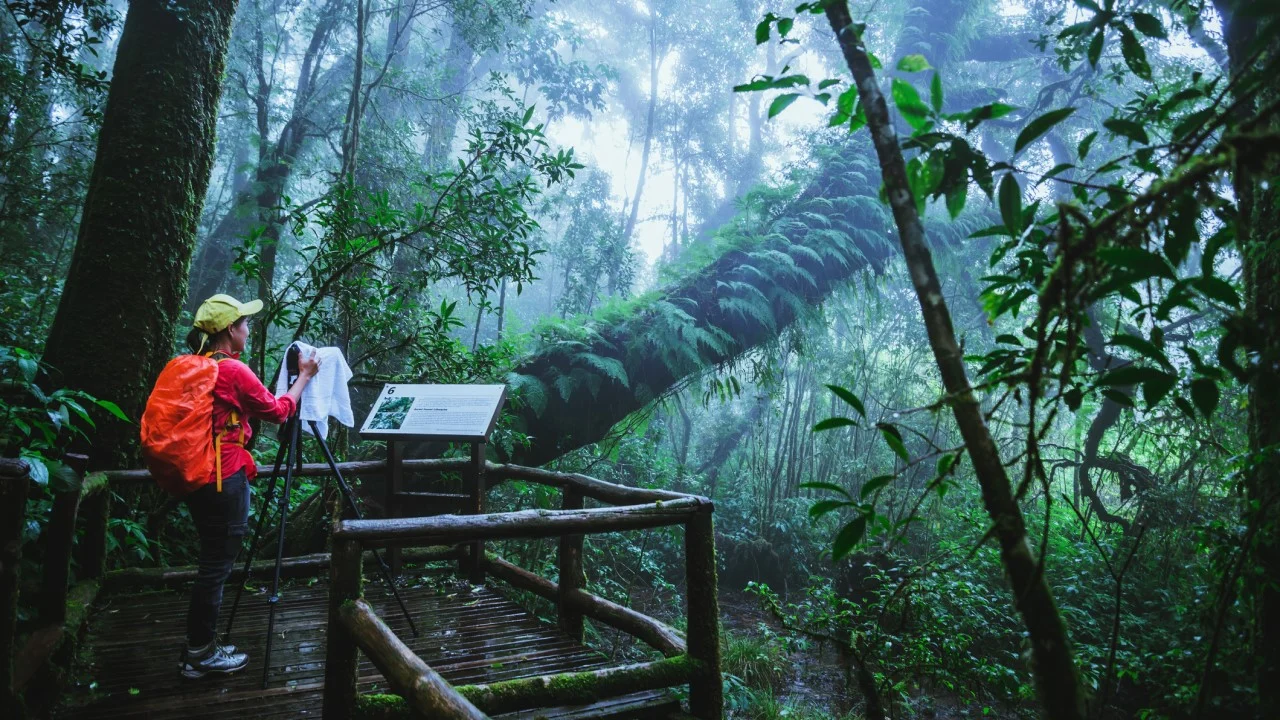
- Seasonal rebrand: Market the monsoon as the vibrant Green Season, highlighting lush landscapes, full waterfalls, and fewer crowds.
- Crisis preparedness: Embed real-time climate tracking, upgraded regional transport contingencies, and worker safety nets into national tourism policies.
- Habitat-centric limits: Implement temporary seasonal closures for fragile marine or mountain environments to allow ecological recovery.
These strategies align with broader industry trends. The slow food movement is already reshaping rural tourism as travelers flee crowded cities, and Southeast Asia can leverage its inland culinary and cultural assets. Similarly, the region's MICE sector is adopting green venues as ESG rules tighten, a model that could extend to leisure tourism.
Airline connectivity is also evolving. Riyadh Air's new Kuala Lumpur route, its first Southeast Asia destination, signals growing international interest in the region, but carriers and tour operators must plan for weather disruptions. Agoda data shows Asian travelers prioritize booking flexibility, a preference that will only intensify as climate volatility grows.
For hoteliers and cruise lines, the pivot means rethinking product design. Inland resorts, heritage properties, and river cruises offer alternatives to beachfront exposure. The Asian hotel groups leading global luxury expansion are well-positioned to invest in climate-resilient properties, but they must integrate disaster planning into their operations.
Tourism boards across the Philippines, Thailand, Vietnam, and Indonesia should adopt the Green Season branding, promoting indoor attractions like museums, cooking classes, and wellness retreats. Rural eco-villages can absorb visitors displaced from coastal zones, while strict capacity limits protect fragile ecosystems.
The path forward is clear: Southeast Asia must embrace a diversified, climate-smart tourism model. By doing so, it can turn the monsoon from a liability into a unique selling point, attracting travelers seeking authentic, crowd-free experiences while safeguarding its natural and cultural heritage.