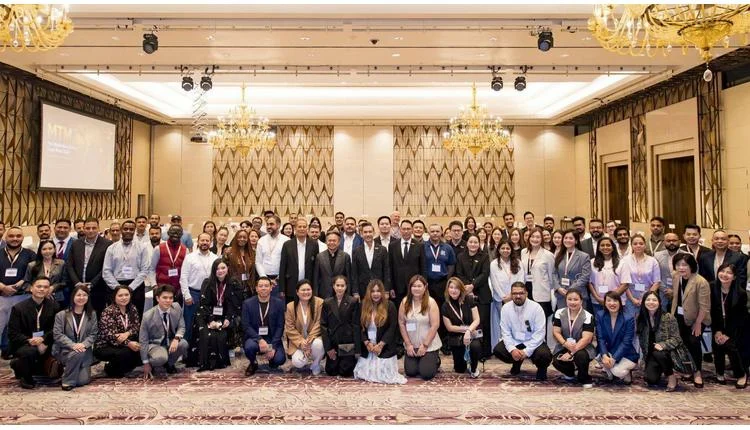
The Tourism Authority of Thailand (TAT) convened the Middle East and Africa Trade Meet 2026 (MTM) at the Siam Kempinski Hotel in Bangkok on 16 June, reinforcing its push to deepen commercial ties with two high-potential source markets. The one-day event brought together 39 travel companies from the United Arab Emirates, Saudi Arabia, South Africa, and other countries for market briefings, B2B appointments, and networking sessions with Thai tourism suppliers.
Strategic Platform for High-Value Travel
Santi Sawangcharoen, TAT Executive Director for the Americas, Middle East, and Africa Region, described MTM as a targeted platform to convert market potential into tangible business. “By bringing Middle Eastern and African travel partners into direct discussion with Thai operators, TAT aims to convert market potential into stronger business opportunities,” he said. The initiative follows the Thailand Travel Mart Plus (TTM+) 2026 held in Pattaya from 10 to 12 June, where 44 travel companies were introduced to Thailand’s tourism landscape.
The Middle East and Africa markets delivered over one million visitors to Thailand in 2025, a 3% year-on-year increase. TAT’s strategy for Middle Eastern travellers emphasises wellness and luxury experiences, while African visitors are targeted with beach holidays and adventure tourism. The authority is also promoting Thailand as a year-round destination, aligning with regional travel patterns and school holiday calendars.
Airline and Trade Partnerships Key
TAT plans to strengthen collaboration with airlines, travel agents, and tour operators to improve market access and develop tailored packages. The agency’s focus on quality over volume mirrors broader industry trends, as destinations seek to attract higher-spending travellers. The MTM event also served as a platform to showcase Thailand’s readiness to host MICE groups, with the Siam Kempinski Hotel providing a venue that underscores Bangkok’s appeal for business events.
For travel professionals, the event signals opportunities in niche segments. Wellness tourism, in particular, is a growing draw for Middle Eastern visitors, aligning with TAT’s broader push to position Thailand as a global wellness hub. The authority recently supported Global Wellness Day 2026 events to further this agenda.
Regional Connectivity and Market Access
Improved air connectivity remains a critical enabler. Carriers such as Emirates, Qatar Airways, and Etihad already serve Bangkok and Phuket from Gulf hubs, while Saudi Arabian airlines have expanded capacity since the resumption of direct flights. TAT’s engagement with African markets also benefits from partnerships with carriers like Ethiopian Airlines and Kenya Airways, which connect via their respective hubs. The recent addition of Emirates SkyCargo’s weekly B777F service to Almaty illustrates the broader trend of Middle Eastern carriers expanding their networks, which indirectly supports passenger traffic to Thailand through hub connectivity.
For African travel buyers, the MTM event provided insights into Thailand’s diverse offerings beyond the traditional beach circuit. Adventure tourism, cultural experiences, and culinary tourism are being packaged to appeal to a younger, more adventurous demographic. TAT is also working with online travel platforms such as Agoda to promote secondary destinations, as seen in Agoda’s curated scenic road trip routes across Asia, which include Thai itineraries.
Outlook for 2026 and Beyond
With the Middle East and Africa markets showing steady growth, TAT’s targeted trade events are likely to become a recurring fixture. The authority’s emphasis on quality tourism—wellness, luxury, adventure—positions Thailand to capture higher-yield segments even as global competition for travellers intensifies. For hoteliers, tour operators, and airline sales teams, the message is clear: Thailand is investing in direct trade relationships to sustain its competitive edge in these regions.