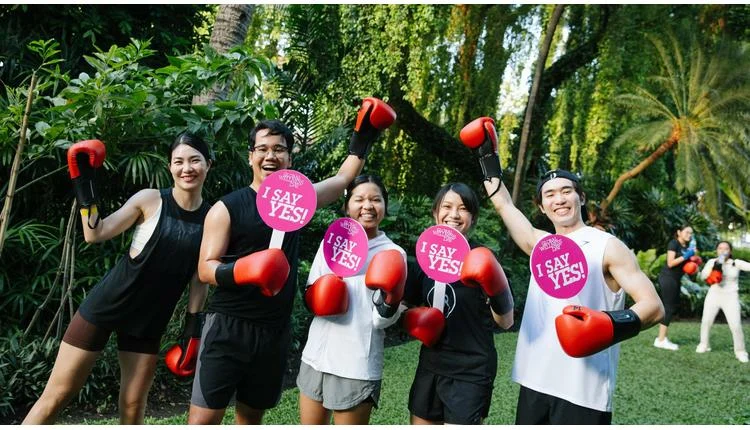
The Tourism Authority of Thailand (TAT) used Global Wellness Day 2026 on 14 June to spotlight the country's wellness tourism offerings, staging events in Ko Samui and Bangkok that underscored Thailand's ambition to become a top-tier wellness destination. The initiative aligns with the global theme #JoyMagenta and TAT's broader strategy to integrate wellness into the nation's tourism fabric.
TAT Governor Thapanee Kiatphaibool emphasized the strategic importance of wellness, stating, “Wellness is an important part of Thailand’s tourism direction. Through Healing is the New Luxury, TAT is presenting travel experiences that help visitors reconnect with themselves, nature, and local culture.” This approach reflects a growing trend among destination marketing organizations to position wellness as a core pillar, particularly as travelers increasingly seek transformative experiences.
Ko Samui: Jump for Wellness 2026
In Ko Samui, the Samui Jump for Wellness 2026 event ran from 12 to 14 June, featuring activities such as Jump Exercise and Aqua Aerobic designed to promote physical and mental well-being. The event aimed to enhance the island's reputation as a wellness hub while fostering collaboration with local entrepreneurs and communities. Ko Samui has long been a favorite for luxury travelers, and this initiative seeks to deepen its appeal among wellness-focused visitors.
The island's efforts complement broader hospitality trends in Southeast Asia, where luxury, wellness, and business travel are converging. As noted in a recent analysis, five Southeast Asian markets are leading hospitality growth, and Thailand's wellness push positions it to capture a larger share of this expanding segment.
Bangkok: Eastern Wisdom and Thai Botanicals
In Bangkok, TAT supported wellness activities at Anantara Riverside Bangkok Resort on 13 June. Participants engaged in sessions focused on Eastern wisdom, Thai botanicals, and mindful movement, including Muay Thai, Tai Chi, yoga, and sound healing. A herbal tea blending workshop introduced attendees to Thai botanical ingredients, offering a hands-on experience that blends tradition with wellness tourism.
These events underscore Thailand's commitment to integrating wellness into its tourism offerings, leveraging cultural and natural assets to differentiate itself in the global wellness tourism market. The country's approach aligns with the broader luxury wellness trend, as seen in recent partnerships like Marriott International's joint venture to expand the Lefay luxury wellness brand, indicating strong industry interest in this space.
Thailand's wellness tourism strategy also resonates with the findings of the WTTC Global Summit 2026, which will convene travel leaders to discuss sustainable growth and emerging trends. As wellness becomes a key driver of travel demand, destinations like Thailand are well-positioned to benefit from this shift.
By showcasing experiences rooted in culture, nature, and hospitality, TAT aims to strengthen Thailand's position in the global wellness tourism market. The events in Ko Samui and Bangkok serve as a blueprint for how destinations can leverage local traditions to create compelling wellness offerings that appeal to international travelers.