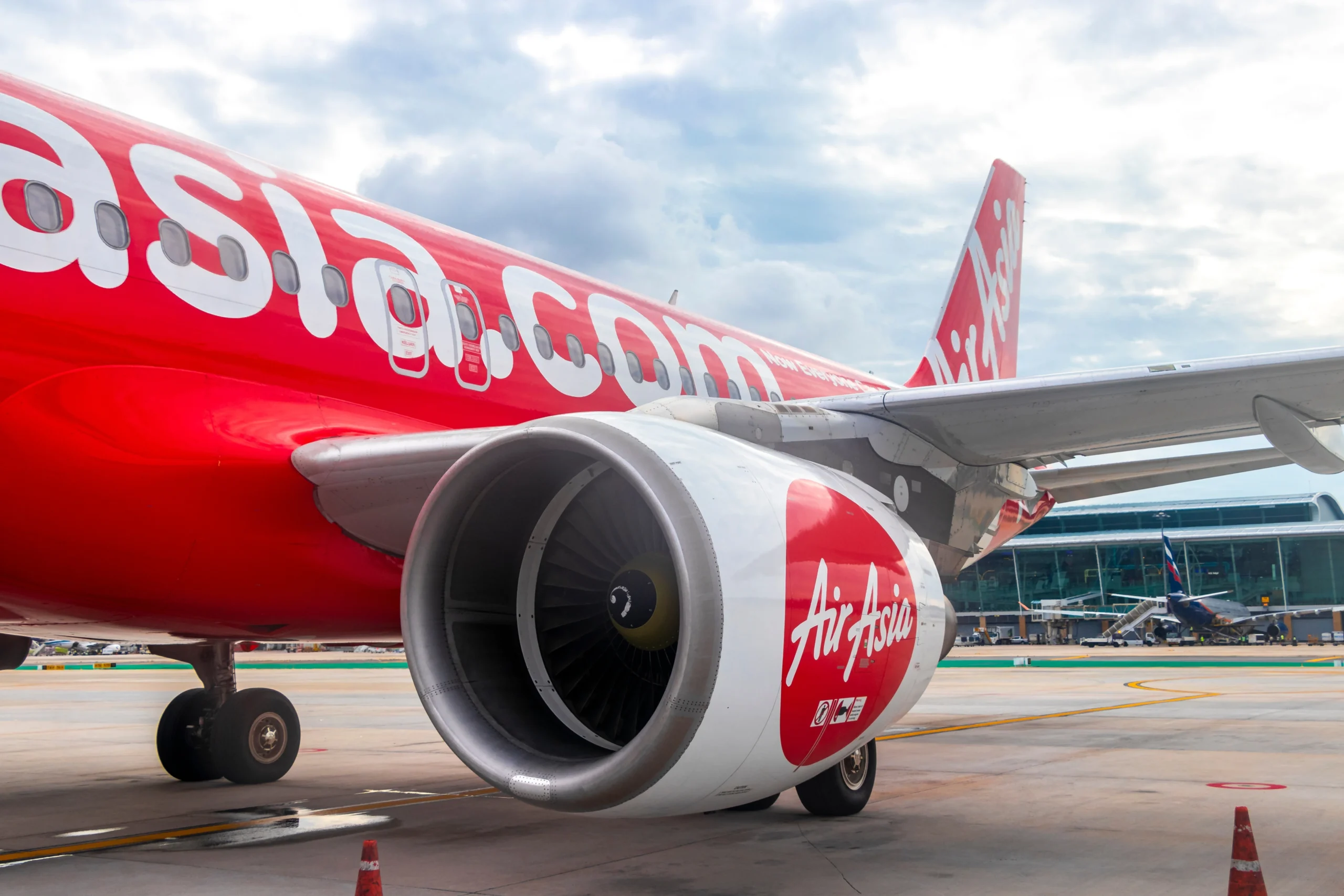
Asia Aviation (AAV), the sole shareholder of Thai AirAsia, posted a 13% year-on-year revenue decline in the third quarter of 2026, with revenue reaching US$223 million (THB 8.073 billion). The drop reflects a deliberate reduction in seat capacity to align with softer off-peak demand, which saw passenger numbers fall 29% during the period.
Despite the lower traffic, AAV managed to lift its average fare by 24% to US$56 (THB 2,023) per passenger, a move that partially cushioned the impact of elevated fuel prices. Revenue per available seat kilometre (RASK) also improved by 29% to US$0.054 (THB 1.96), underscoring the airline's focus on yield management amid rising operating costs.
Operational resilience and recognition
Thai AirAsia maintained normal flight operations during the recent Bangkok floods, a testament to its crisis management and business continuity protocols. The airline's ability to keep its network running during a disruptive weather event is a positive signal for travel agents and corporate clients who rely on consistent connectivity in Southeast Asia.
In a separate development, AirAsia was named the 'World's Best Low-Cost Airline' by Skytrax for the 17th consecutive year, reinforcing its brand strength in the competitive LCC segment. This accolade comes as the group continues to navigate a challenging cost environment, similar to pressures seen across the Asia-Pacific carrier landscape.
Network expansion and market share ambitions
Looking ahead, AAV plans to increase domestic flight frequencies in the fourth quarter of 2026, targeting a 40% share of the Thai domestic market. The airline also intends to resume international routes with strong growth potential, particularly those that align with recovering demand in key source markets.
This expansion strategy comes at a time when broader industry trends are mixed. While Asia-Pacific travel spending continues to grow, carriers are grappling with cost inflation and geopolitical uncertainties. For AAV, the focus on high-yield routes and disciplined capacity management will be critical to restoring profitability.
The airline's ability to raise fares without a corresponding collapse in demand suggests that price sensitivity among leisure travellers in the region remains manageable. However, the 29% drop in passenger numbers highlights the risks of overcorrecting capacity in a soft demand environment.
Industry observers will watch whether AAV's Q4 push can translate into improved load factors and revenue growth. The carrier's domestic focus is a pragmatic response to the current market, but its international ambitions will test its ability to compete on routes where legacy carriers and other LCCs are also vying for market share.
For travel professionals, AAV's performance offers a case study in yield management under pressure. The airline's success in lifting RASK by 29% demonstrates that strategic pricing can offset volume declines, a lesson that may resonate with hoteliers facing similar margin pressures, as highlighted in recent industry analyses.
As the fourth quarter unfolds, AAV's ability to execute its expansion plans while maintaining cost discipline will be key. The carrier's resilience during the floods and its continued recognition from Skytrax provide a solid foundation, but the broader economic environment remains uncertain.
With fuel costs still elevated and competition intensifying, AAV's next earnings report will be a telling indicator of whether its strategy of higher fares and selective capacity can deliver sustainable growth.