TransNusa has opened ticket sales for a new direct service linking Bali’s Ngurah Rai International Airport (DPS) with Phuket International Airport (HKT), two of Southeast Asia’s most visited leisure destinations. The route will operate four times weekly — Mondays, Wednesdays, Fridays and Sundays — using Airbus A320 aircraft configured with 174 seats.
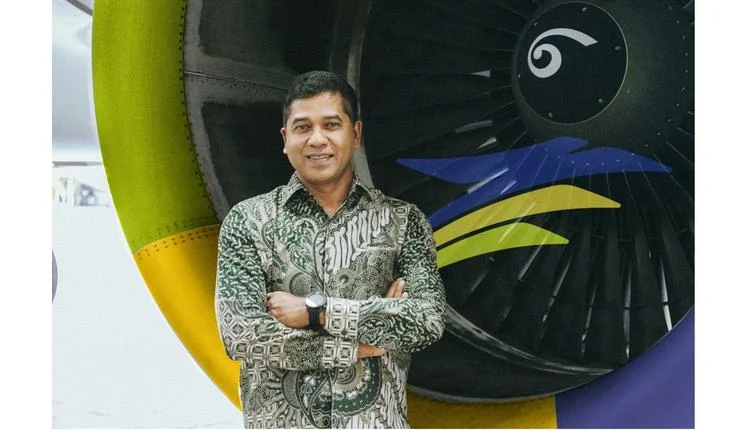
The move is part of TransNusa’s broader strategy to build Bali into a regional hub and expand its international footprint beyond Indonesia. CEO Bernard Francis stated: “This new route between Bali and Phuket was established to boost tourism in the region and to further strengthen TransNusa’s hub in Bali.” He added that the service is expected to stimulate tourism, trade and cultural exchanges between Indonesia and Thailand.
Targeting diverse traveller segments
Beyond holidaymakers, the airline is positioning the route to attract families, digital nomads and business travellers seeking seamless connections between two of Asia’s most dynamic tourism economies. The Phuket-Bali corridor has long been served by indirect options via Bangkok or Kuala Lumpur, making TransNusa’s nonstop offering a time-saving alternative for both leisure and corporate itineraries.
TransNusa offers three fare bundles on the route: SEAT, SEATPLUS and FLEXIPRO. Each tier provides escalating benefits including increased baggage allowance, priority boarding and flexible rebooking — features that appeal to travel management companies and corporate travel desks managing mixed-purpose trips.
Network expansion and competitive landscape
The Bali-Phuket launch follows TransNusa’s recent introduction of a Jakarta-Bangkok service, signalling a deliberate push into Thailand’s key gateways. The airline has indicated plans to add further international and domestic routes by the end of 2026, reinforcing its commitment to regional connectivity. This expansion places TransNusa in more direct competition with full-service carriers such as Garuda Indonesia and Thai AirAsia on overlapping city pairs, while also complementing the offerings of global distribution systems like Amadeus and Sabre that list TransNusa’s inventory.
For travel agents and tour operators, the new link opens opportunities to package Bali and Phuket as a twin-centre holiday, or to combine them with other Southeast Asian destinations. The route also supports MICE groups looking for efficient connections between Indonesia’s convention hub and Thailand’s incentive travel hotspot.
Industry observers note that TransNusa’s strategy mirrors a broader trend among secondary carriers in Asia — using point-to-point services to bypass traditional hubs and capture demand from high-volume leisure corridors. The airline’s choice of the A320, a fuel-efficient narrowbody, keeps operating costs manageable while offering sufficient capacity for the expected mix of tourists and business travellers.
As the airline continues to roll out new routes, travel professionals should monitor TransNusa’s schedule updates and fare structures, particularly for groups and corporate accounts. The Bali-Phuket service is now bookable through the airline’s website and via major GDS platforms.