The UK Civil Aviation Authority (CAA) is making a strong presence at the Farnborough International Airshow this week, using the global platform to advance discussions on airspace modernization, sustainable growth, and the safe integration of cutting-edge aerospace technologies. Located in Hall 4, Stand 41518, the regulator has deployed a team of experts to engage with airlines, manufacturers, and technology vendors on the evolving regulatory landscape.
Regulatory Leadership in a Rapidly Changing Sector
With the aerospace industry accelerating toward electric vertical take-off and landing (eVTOL) aircraft, unmanned aerial systems, and hydrogen-powered propulsion, the CAA is positioning itself as a proactive enabler of innovation without compromising safety. The regulator’s participation at Farnborough underscores its commitment to establishing frameworks that allow new technologies to scale commercially while maintaining the rigorous safety standards that underpin global aviation.
On 22 July, key CAA board members will be on site to lead conversations. Chair Sir Stephen Hillier and Group Director Safety & Airspace Regulation Giancarlo Buono will meet with industry stakeholders to address pressing issues around airspace design, certification pathways, and the integration of new entrants into controlled airspace.
“Farnborough International Airshow brings together organisations from across the aerospace industry that are shaping the future of our sector,” said Giancarlo Buono. “The Airshow offers a valuable opportunity to engage with industry partners on key issues including innovation, airspace modernisation and the safe integration of new airspace users.”
The CAA’s agenda aligns with broader industry trends seen at this year’s show. For instance, Tata Technologies made its Farnborough debut with AI and smart glasses for aviation, highlighting the growing role of digital tools in maintenance and operations. Meanwhile, Embraer showcased its record backlog and E195-E2, demonstrating sustained demand for efficient regional aircraft. The CAA’s regulatory work directly supports the safe deployment of such innovations across the UK and beyond.
Airspace Modernization as a Catalyst for Growth
One of the CAA’s core focus areas at Farnborough is airspace modernization—a critical enabler for reducing delays, cutting emissions, and accommodating new types of air traffic. The UK’s airspace is among the busiest in the world, and the regulator is working with NATS, airlines, and airports to redesign routes and procedures. This effort is expected to unlock capacity for both traditional carriers and emerging operators, including drone delivery services and air taxis.
The CAA’s approach emphasizes collaboration. By engaging directly with industry at events like Farnborough, the regulator aims to co-create standards that are both robust and flexible. This is particularly relevant as companies like Boeing and Airbus push forward with next-generation aircraft programs, and as startups seek certification for novel designs.
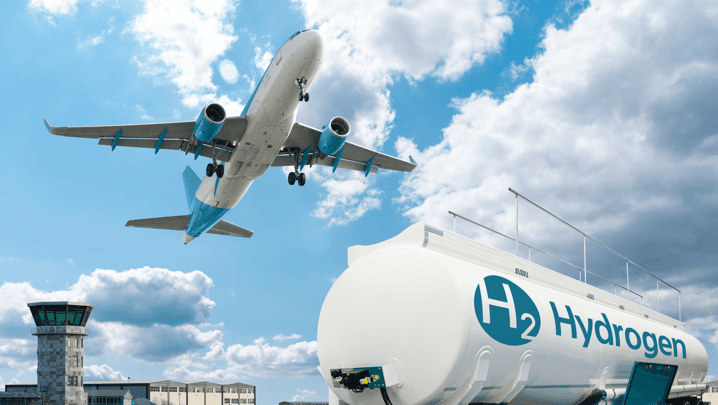
The discussions at Farnborough are also tied to the UK’s broader sustainability goals. The CAA is exploring how regulatory frameworks can incentivize the adoption of sustainable aviation fuels (SAF), electric propulsion, and hydrogen technologies. These efforts complement initiatives such as the Jet Zero Council and the UK’s target for net-zero aviation emissions by 2050.
Engaging the Global Travel Industry
For travel professionals—from airline executives at carriers like British Airways and easyJet to hoteliers and tour operators—the CAA’s work has direct implications. Smoother airspace management means fewer delays, better fuel efficiency, and lower costs. The safe integration of new airspace users could open up new routes and services, particularly for regional connectivity and last-mile travel.
The CAA’s presence at Farnborough also signals a shift toward more agile regulation. As the industry recovers from the pandemic and faces new challenges—labor shortages, supply chain disruptions, and rising passenger expectations—the regulator’s willingness to adapt is a positive signal for investment and innovation.
Beyond the airshow, the CAA continues to engage with international counterparts to harmonize standards. This global perspective is essential for a travel industry that operates across borders. The regulator’s work on topics like drone traffic management and eVTOL certification will influence how quickly these technologies become commercially viable for airlines and travel operators worldwide.
In summary, the UK CAA’s participation at Farnborough International Airshow is not merely a booth presence—it is a strategic effort to shape the future of flight. By fostering dialogue on innovation, safety, and sustainability, the regulator is helping to build the foundation for the next era of air travel.